

Operation Process and Working Principle of Zinc Oxide Material Handling Systems
Understanding the operation process and working principle of zinc oxide material handling systems is crucial for optimizing industrial production efficiency. This article provides a detailed overview of how these systems function, focusing on the key components, operational steps, and technical aspects that ensure reliable material transport in industrial settings.
System Overview and Core Components
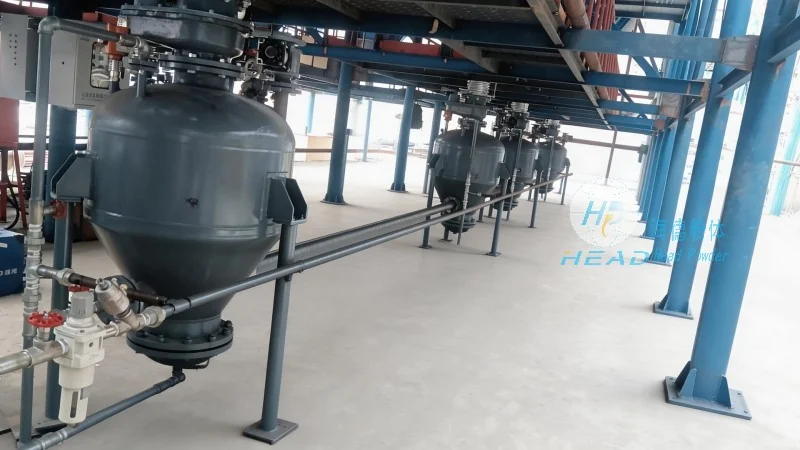
Zinc oxide material handling systems are sophisticated industrial solutions engineered to efficiently transport and manage zinc oxide, a versatile material widely used in rubber compounding, pharmaceutical formulations, and cosmetic products. The systems are typically composed of several interrelated components, including bulk material feeders, conveyor systems, storage silos, and advanced control units. Each component is meticulously designed to handle the unique physical properties of zinc oxide, such as its fine particle size, flowability, and chemical stability, ensuring safe and efficient material transport throughout the production process.
Operation Process: Step-by-Step Workflow
The operation process of a zinc oxide material handling system follows a structured workflow that minimizes downtime and maximizes throughput. The process begins with material feeding, where zinc oxide is drawn from storage silos or bulk containers into the system. A rotary or vibratory feeder, equipped with a variable speed drive, regulates the material flow rate to maintain consistent delivery to the conveyor system. This step is critical as zinc oxide's fine particles require precise control to avoid clogging or uneven distribution.
Following the feeder, the material is transported via a conveyor system, which may include belt conveyors, screw conveyors, or pneumatic conveying lines. The choice of conveyor type depends on the system's capacity, material characteristics, and the distance to be covered. For example, belt conveyors are commonly used for horizontal or slight incline transport due to their high load capacity and ability to handle bulk materials. Screw conveyors, on the other hand, are ideal for vertical or inclined transport, providing a compact solution for elevating zinc oxide to higher levels.
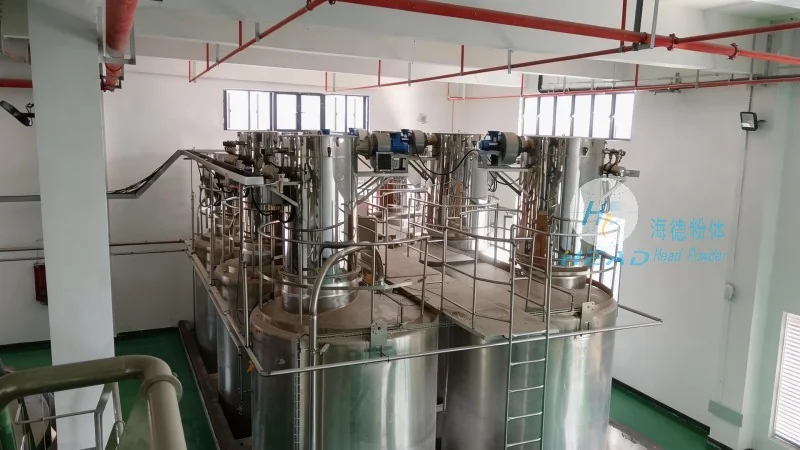
During the transport phase, the system incorporates real-time monitoring and control mechanisms to ensure optimal performance. Sensors, such as load cells, temperature sensors, and flow meters, continuously track key parameters. The control unit, often a programmable logic controller (PLC), processes this data and adjusts the feeder speed or conveyor speed as needed. This closed-loop control system helps maintain a stable material flow, preventing overloading or underflow, which could lead to production bottlenecks or equipment damage.
Working Principle: Mechanical and Control Integration
The working principle of zinc oxide material handling systems integrates mechanical engineering with advanced control technologies to achieve precise and reliable material handling. The mechanical components, including feeders and conveyors, are designed to accommodate the physical properties of zinc oxide, such as its density (approximately 5.6 g/cm³) and particle size distribution (typically 0.1-100 μm). For instance, the feeder's hopper design and material of construction (e.g., stainless steel) are chosen to prevent material buildup and corrosion, which are common issues with zinc oxide due to its chemical reactivity.
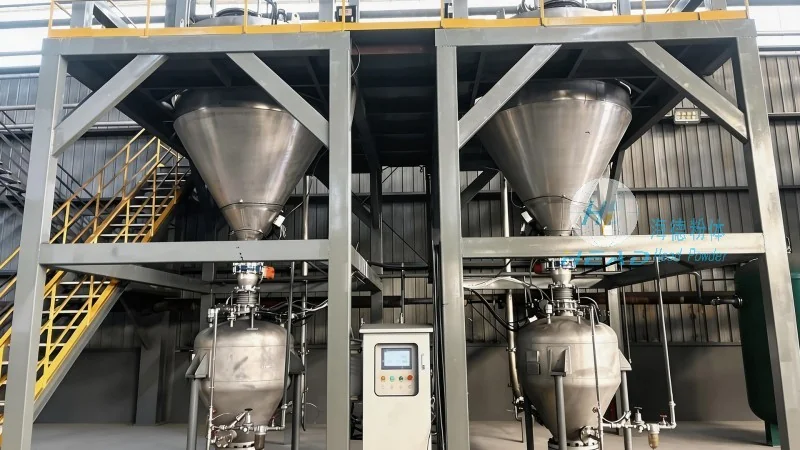
Control systems, often based on PLCs or industrial computers, manage the entire operation by receiving input from sensors and user interfaces. These systems execute pre-programmed logic to control the feeder speed, conveyor speed, and other parameters. The integration of mechanical and control systems enables automation, reducing human intervention and enhancing operational consistency. Additionally, the control unit may include safety features, such as emergency stop buttons and overload protection, to ensure operator safety and equipment longevity.
Company Profile: Shandong HeadPowder Engineering Co., Ltd.
HeadPowder, a prominent player in the material handling industry, is dedicated to providing high-quality, customized solutions for zinc oxide and other industrial materials. Headquartered in Shandong, China, the company leverages decades of engineering expertise and state-of-the-art manufacturing facilities to deliver systems that meet the demanding requirements of modern industrial production. The company's commitment to innovation and customer satisfaction has established it as a trusted partner, offering tailored solutions that enhance productivity, reduce operational costs, and ensure compliance with industry standards.
HeadPowder's systems are designed with durability and efficiency in mind. The use of high-quality materials, such as stainless steel and corrosion-resistant coatings, ensures long-term performance in harsh industrial environments. The company's engineering team works closely with clients to understand their specific needs, from material handling capacity to integration with existing production lines. This collaborative approach results in systems that are not only efficient but also easy to maintain and operate.