With more than 10‑year industry experience, Shandong Headpowder delivers full‑service pneumatic‑conveying systems and blowers, undertaking nationwide turn‑key powder‑handling projects.
Understanding the operation process and working principle of the Xiaomi material handling system is crucial for optimizing material flow in various industrial applications. This system, developed by Shandong HeadPowder Engineering Co., Ltd., integrates advanced technology to ensure efficient and reliable material transportation. The following sections provide a detailed overview of its operational workflow and underlying mechanisms.
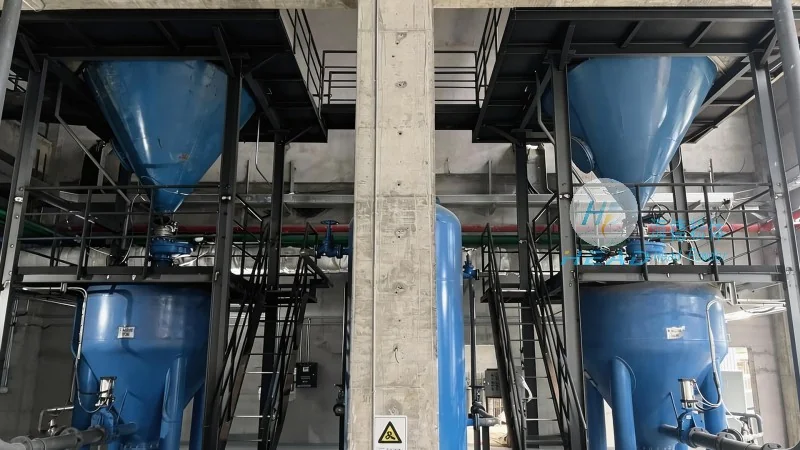
The Xiaomi material handling system comprises several core components that work in tandem to facilitate seamless material movement. These include conveyor belts, motor drives, control systems, and sensors. The system's architecture is designed to handle diverse materials, from bulk powders to packaged goods, with precision and efficiency. Each component plays a vital role in maintaining the system's overall performance and reliability. For instance, conveyor belts are engineered to withstand heavy loads and varying material types, while motor drives provide the necessary power to move materials through different sections. Control systems, often based on programmable logic controllers (PLCs), coordinate the operation of all components, ensuring synchronization and adaptability to changing production demands.
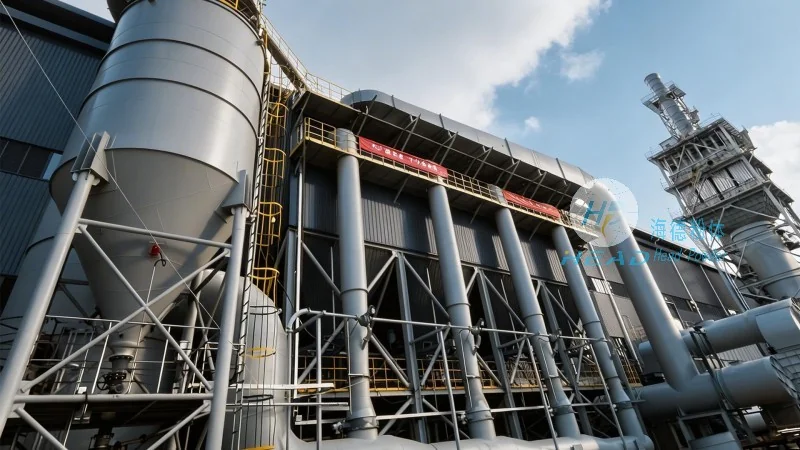
The operation process of the Xiaomi material handling system can be broken down into several key stages, each contributing to the smooth flow of materials. Initially, materials are loaded into the system via an input hopper or feeder. This step is typically performed manually or through automated feeding mechanisms, depending on the application. The hopper is designed to accommodate various material types, ensuring uniform feeding into the conveyor system. Once loaded, materials are transferred to the conveyor belts. Motor-driven rollers or belts move the materials through the system, with speed and direction adjustable based on material characteristics and processing requirements. In some configurations, the system includes sorting mechanisms, such as vibrating screens or magnetic separators, to separate different materials or remove impurities. This step enhances the quality of the processed materials and ensures compliance with industry standards. After processing, materials are moved to the packaging or output section. The system may include automated packaging equipment, such as fillers or sealers, to prepare the materials for distribution. Sensors are integrated to monitor the packaging process, ensuring accurate and consistent output. The entire process is managed by a control system that adjusts speeds and directions based on real-time data to prevent bottlenecks or inefficiencies.
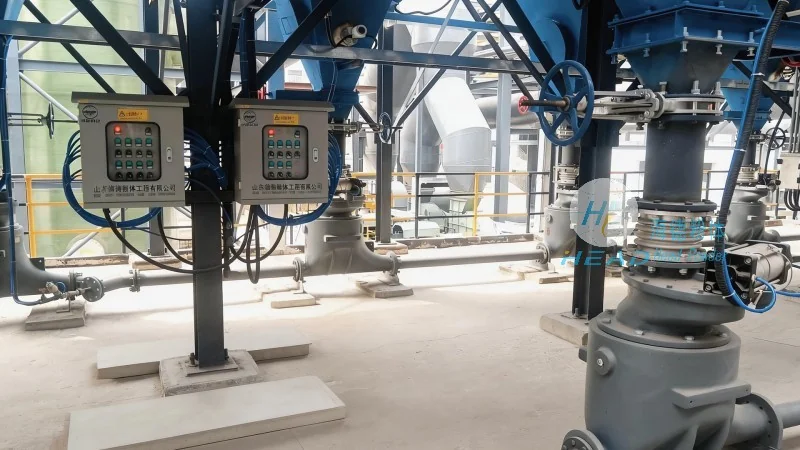
The working principle of the Xiaomi material handling system is rooted in mechanical and electrical engineering principles. Motor drives provide the necessary power to move conveyor belts, while control systems use PLCs to coordinate operations. Sensors, including photoelectric sensors and proximity sensors, detect the presence and position of materials, enabling precise control. The system may also incorporate automation technologies, such as robotics or artificial intelligence, to enhance its capabilities and adapt to changing production demands. This combination of traditional and advanced technologies ensures the system's versatility and adaptability in various industrial settings. For example, variable frequency drives (VFDs) are used to adjust motor speed, allowing for precise control over material flow. The integration of sensors and control systems enables real-time monitoring and data analysis, facilitating continuous improvement and optimization of the system's performance. Additionally, the system may include safety features, such as emergency stop buttons and interlocks, to protect operators and prevent accidents.
Efficiency is a critical aspect of the Xiaomi material handling system, with performance metrics tailored to meet the demands of modern manufacturing. The system is designed to minimize downtime and maximize throughput, with features like automatic fault detection and self-diagnosis. By optimizing material flow and reducing manual intervention, the system enhances overall productivity and reduces operational costs. The integration of advanced control systems and sensors allows for real-time monitoring and data analysis, enabling continuous improvement and optimization of the system's performance. Performance metrics, such as throughput rate, energy consumption, and maintenance frequency, are tracked and analyzed to identify areas for improvement. The system's reliability and durability ensure consistent performance, even in demanding environments. For instance, the conveyor belts are made of high-quality materials that resist wear and tear, while the motor drives are designed for long-term operation with minimal maintenance. These features contribute to the system's high efficiency and low total cost of ownership.
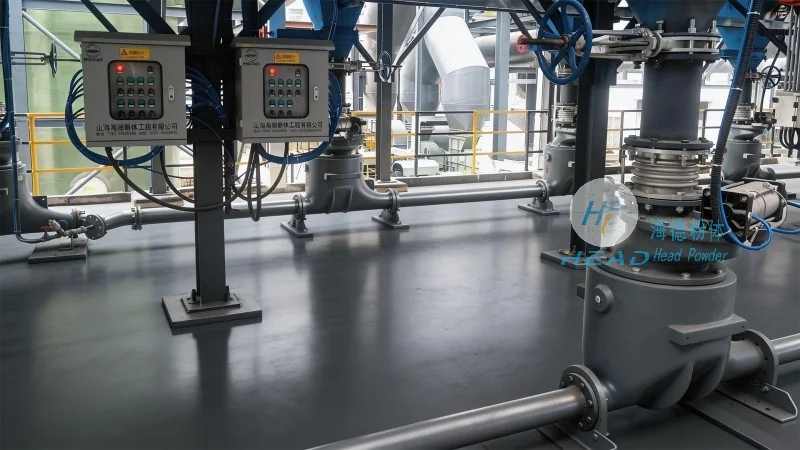
The Xiaomi material handling system is widely used in industries such as food processing, pharmaceuticals, and logistics, where efficient material handling is essential. Its adaptability to different materials and processes makes it a versatile solution for various applications. The system's reliability and durability ensure consistent performance, even in demanding environments. By leveraging the expertise of Shandong HeadPowder Engineering Co., Ltd., users can benefit from a high-quality material handling solution that meets their specific needs and enhances operational efficiency. The system is particularly suitable for applications requiring high precision and low noise levels, such as in pharmaceutical manufacturing. In food processing industries, the system's hygienic design and easy cleaning features make it an ideal choice. The system's modular design allows for customization to fit specific production lines, ensuring that it can be integrated seamlessly into existing operations. This flexibility makes the Xiaomi material handling system a valuable asset for businesses looking to improve their material handling processes and increase productivity.

 Shandong Headpowder Engineering Co., Ltd.
 156-6277-7102(Manager Zhang)
  0531-83386006
  Zhangqiu District, Jinan City, Shandong Province, China
telephone
WeChatconsult
top