With more than 10‑year industry experience, Shandong Headpowder delivers full‑service pneumatic‑conveying systems and blowers, undertaking nationwide turn‑key powder‑handling projects.
Flexible coke powder material handling systems represent a critical advancement in industrial material transport, particularly for applications involving fine, dust-prone powders like coke. These systems are engineered to address the unique challenges posed by coke powder, including its tendency to generate dust, clog equipment, and require precise control over flow rates. The operation process and working principle of such systems are fundamental to ensuring efficiency, safety, and reliability in industrial settings where coke powder is processed or transported. Understanding these aspects is essential for optimizing performance and maintaining operational integrity in material handling operations.
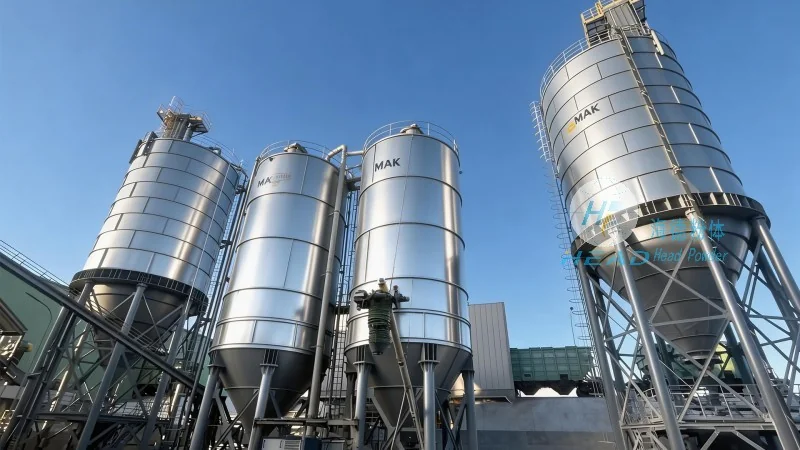
The flexible coke powder material handling system comprises several interdependent components, each serving a specific purpose in the overall material transport process. The primary components include feeders, conveyors, storage silos, and advanced control systems. Feeders, often designed as screw feeders or rotary valves, are responsible for regulating the initial flow of coke powder from the storage silo into the system. They ensure a consistent and controlled feed rate, preventing overloading or underfeeding that could disrupt the conveyor operation. The conveyors, typically flexible or rigid, transport the coke powder through the system, with options like belt conveyors or pneumatic lines depending on the application requirements. Storage silos are integral for bulk storage, maintaining the coke powder in a stable condition, preventing caking, and providing a buffer for fluctuating demand. Control systems, equipped with sensors and monitoring tools, oversee the entire operation, adjusting parameters like speed, pressure, and temperature to maintain optimal performance and safety.
The operation of a flexible coke powder material handling system follows a systematic sequence, beginning with the preparation of the coke powder and concluding with its discharge at the destination. The process starts with the coke powder being loaded into the storage silo, where it is stored under controlled conditions to prevent moisture absorption or caking. From the silo, the feeder activates, drawing the powder into the conveyor system. The conveyor then transports the material to the processing or storage point, with adjustable speed settings to match production demands. During transport, the system may incorporate dust collection mechanisms, such as cyclones or bag filters, to capture and contain airborne particles, ensuring environmental compliance and worker safety. The control panel continuously monitors key parameters, such as flow rate, pressure, and temperature, and triggers alarms or adjustments if deviations occur. The system concludes with the controlled discharge of the coke powder into the receiving vessel or processing equipment, completing the cycle.
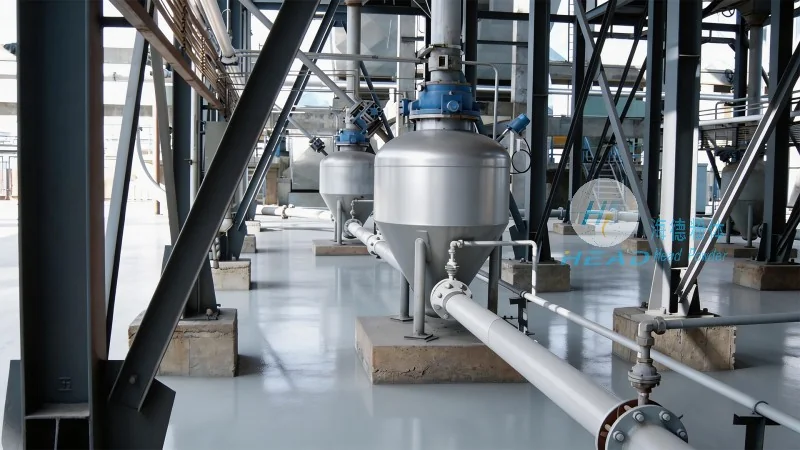
The working principle of flexible coke powder material handling systems is rooted in the science of fluidization and pneumatic conveying, combining mechanical and pneumatic forces to move the material. The system operates by creating a fluidized bed of coke powder within the conveyor, where the powder particles are suspended and transported by air or gas. This fluidization process ensures that the coke powder behaves like a fluid, allowing for smooth and continuous movement through the system. The feeders introduce the powder into the conveyor, where it is mixed with air or gas under controlled pressure. The conveyor then transports the mixture, with the air acting as the medium to carry the powder particles. The control systems regulate the air flow and pressure to maintain the optimal fluidization state, preventing clogging and ensuring consistent transport. This principle allows for efficient handling of fine powders, minimizing the risk of blockages and ensuring reliable performance in demanding industrial environments.
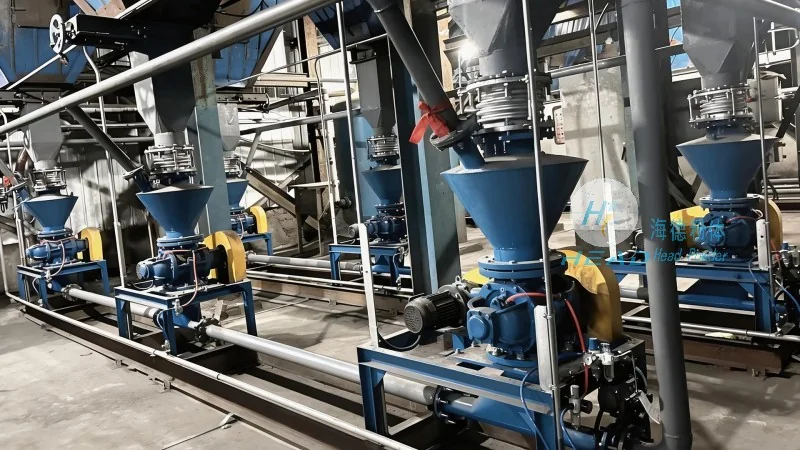
Implementing flexible coke powder material handling systems offers numerous advantages over traditional methods, enhancing operational efficiency and safety. One key benefit is the reduction in dust generation and explosion risks, as the system incorporates advanced dust collection and explosion-proof designs. This not only improves workplace safety but also complies with environmental regulations. Additionally, the flexible design of the system allows for easy adaptation to changing production requirements, with components that can be adjusted or replaced without extensive downtime. The system's efficiency is further enhanced by its ability to handle large volumes of coke powder with minimal energy consumption, reducing operational costs. Maintenance is also simplified due to the modular design and accessible components, allowing for quick repairs and extensions. Overall, these systems provide a reliable, cost-effective solution for coke powder handling, supporting industrial productivity and safety.
Shandong HeadPowder Engineering Co., Ltd., operating under the brand name headpowder, is a prominent manufacturer specializing in flexible coke powder material handling systems. Headquartered in Shandong, China, the company has established itself as a leader in providing tailored material handling solutions for industrial clients. With a focus on innovation and quality, HeadPowder designs and manufactures systems that meet the specific needs of various industries, including steel production, chemical processing, and power generation. The company's products are known for their durability, efficiency, and adherence to international safety standards. HeadPowder's team of engineers and technicians work closely with clients to understand their operational challenges and develop customized solutions that enhance performance and reduce downtime. The company's commitment to customer satisfaction and technical excellence has earned it a reputation for reliability and trust in the material handling industry.

 Shandong Headpowder Engineering Co., Ltd.
 156-6277-7102(Manager Zhang)
  0531-83386006
  Zhangqiu District, Jinan City, Shandong Province, China
telephone
WeChatconsult
top