With more than 10‑year industry experience, Shandong Headpowder delivers full‑service pneumatic‑conveying systems and blowers, undertaking nationwide turn‑key powder‑handling projects.
HeadPowder, a leading provider in the field of material handling solutions, specializes in advanced pneumatic conveying systems designed for the efficient transport of activated carbon granular materials. This article explores the fundamental working principle and key characteristics of such systems, highlighting their applications and benefits in industrial settings.
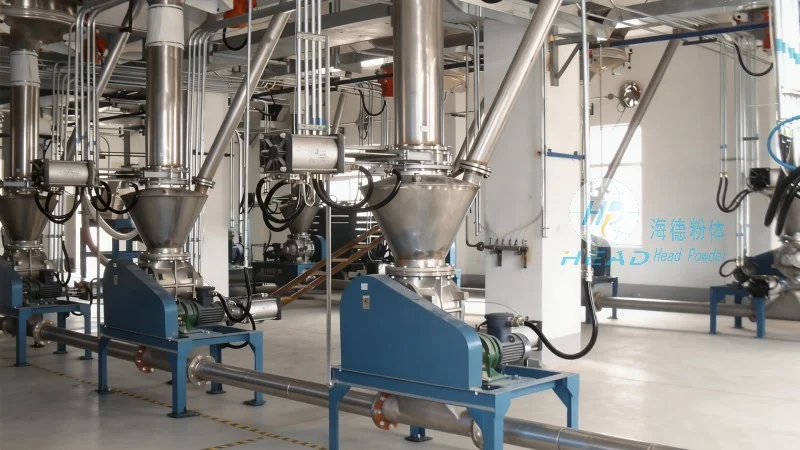
Pneumatic conveying, also known as air conveying, is a method used to transport bulk materials through a pipeline using a stream of air or gas. In the context of activated carbon granular materials, this technology offers a reliable and efficient means of moving these materials from one location to another without the need for mechanical components like belts or buckets. The system typically consists of a hopper for material storage, a blower or compressor to generate airflow, and a pipeline network that guides the material to its destination. The process involves feeding the granular activated carbon into the system, where it is entrained by the high-velocity air stream and carried through the pipeline to the discharge point.
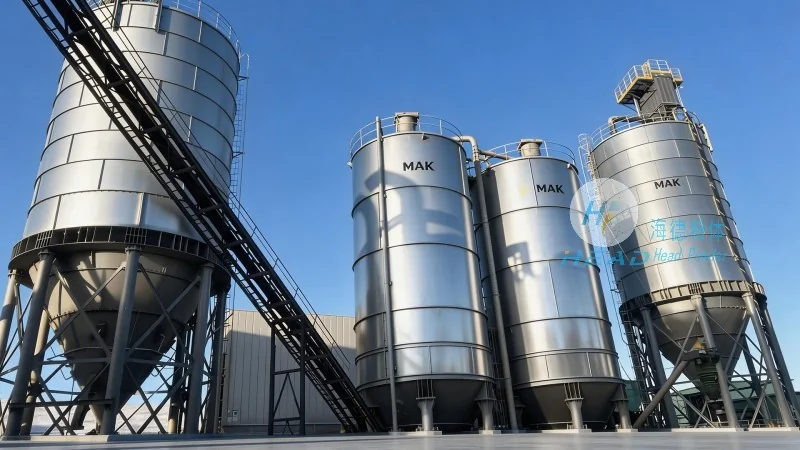
The core working principle of pneumatic conveying for activated carbon granular materials revolves around the interaction between the material particles and the air flow. When the material is introduced into the system, it is drawn into the pipeline by the airflow generated by the blower. The air velocity is maintained at a level sufficient to keep the particles suspended and moving through the pipeline. This suspension is achieved by ensuring that the air velocity exceeds the terminal velocity of the particles, preventing them from settling and clogging the system. The system can operate in either positive or negative pressure modes, depending on the application requirements. In positive pressure systems, air is forced through the pipeline, while in negative pressure systems, air is drawn out of the pipeline, creating a vacuum that pulls the material along. For activated carbon granular materials, the choice of pressure mode often depends on factors such as the material's dustiness, the distance to be conveyed, and the need for containment.
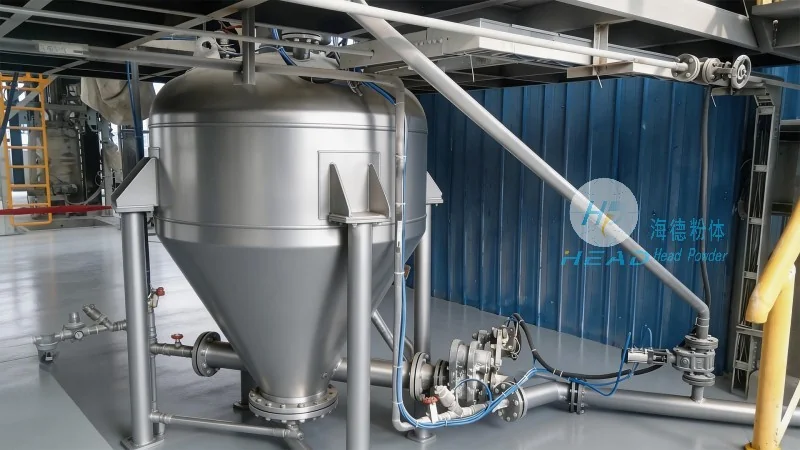
Several distinct characteristics define the performance and suitability of pneumatic conveying systems for activated carbon granular materials. First, the system offers a high degree of flexibility in terms of layout and routing. The pipeline can be installed in various configurations, including horizontal, vertical, or a combination of both, allowing for complex material flow paths. This flexibility is particularly advantageous in industrial plants where space constraints or existing infrastructure may limit the use of other transport methods. Second, pneumatic conveying systems provide excellent material containment and dust control. Activated carbon is a fine-grained material that can generate significant dust during handling, and the enclosed pipeline system minimizes dust emissions, ensuring a cleaner working environment and compliance with environmental regulations. Third, the system is capable of handling a wide range of material properties, including different particle sizes, densities, and moisture contents. This adaptability makes it suitable for various applications, from small-scale laboratory use to large-scale industrial production. Fourth, the operation of pneumatic conveying systems is relatively simple and requires minimal maintenance. The absence of moving parts in the pipeline reduces the risk of mechanical failure and simplifies routine maintenance tasks. Additionally, the system can be equipped with automated controls that monitor and adjust the airflow and material feed rates, ensuring consistent performance and preventing overloading or underloading of the pipeline.
Pneumatic conveying systems for activated carbon granular materials find extensive applications in various industries, including chemical processing, pharmaceuticals, and environmental remediation. In chemical plants, these systems are used to transport activated carbon from storage silos to reactors or filtration units, ensuring a continuous and controlled supply of the material. In pharmaceutical manufacturing, the enclosed and dust-free nature of the system is critical for maintaining product purity and meeting stringent quality standards. In environmental applications, such as water treatment or air purification, the system efficiently conveys activated carbon to filtration systems, enhancing the removal of contaminants from water or air streams. The benefits of using pneumatic conveying systems for activated carbon granular materials include improved process efficiency, reduced labor costs, and enhanced safety due to the enclosed and dust-controlled operation. Furthermore, the system's ability to handle fine-grained materials without degradation or segregation makes it an ideal choice for applications where material quality is paramount.
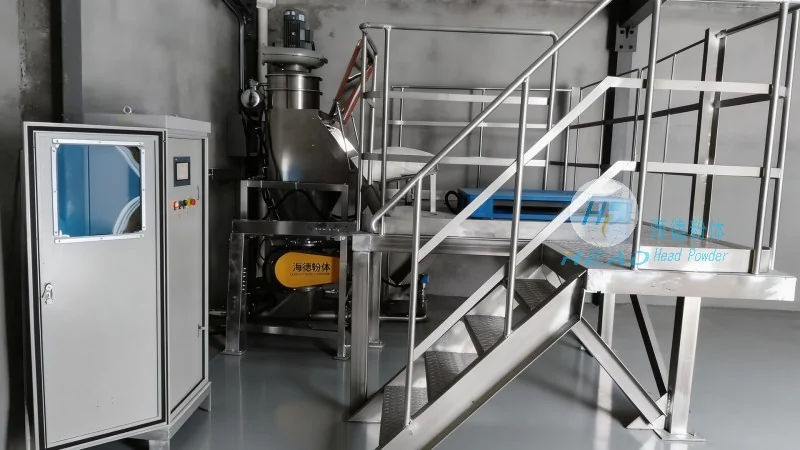
HeadPowder's expertise in designing and manufacturing pneumatic conveying systems for activated carbon granular materials underscores the importance of efficient material handling in modern industrial operations. By understanding the working principle and key characteristics of these systems, industries can optimize their processes, improve productivity, and ensure compliance with environmental and safety standards. The flexibility, containment, and adaptability of pneumatic conveying systems make them a reliable and cost-effective solution for the transport of activated carbon granular materials, supporting the growth and sustainability of various industrial sectors.

 Shandong Headpowder Engineering Co., Ltd.
 156-6277-7102(Manager Zhang)
  0531-83386006
  Zhangqiu District, Jinan City, Shandong Province, China
telephone
WeChatconsult
top