With more than 10‑year industry experience, Shandong Headpowder delivers full‑service pneumatic‑conveying systems and blowers, undertaking nationwide turn‑key powder‑handling projects.
Perlite material conveying systems are critical in industrial settings, especially for handling lightweight, abrasive materials like perlite. These systems are engineered to efficiently transport perlite from storage or processing areas to subsequent production stages. The operational process and working principles of such systems involve a combination of mechanical components and control mechanisms that ensure smooth, reliable material flow. This article provides a detailed overview of how perlite material conveying systems function, covering key aspects from system setup to operational dynamics.
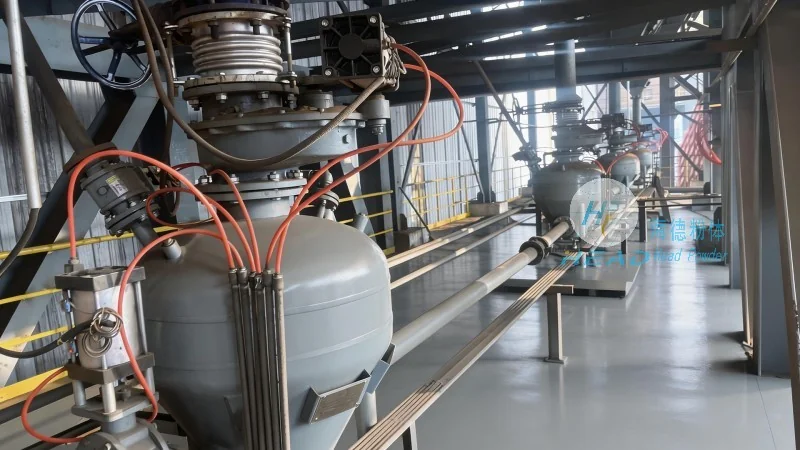
The core components of a perlite material conveying system typically include feeders, conveyors, control valves, and dust collection units. Feeders are responsible for uniformly supplying perlite into the system, often using screw feeders or vibratory feeders to maintain consistent material flow rates. Conveyors, such as belt conveyors or pneumatic conveyors, transport the perlite through the system. Control valves regulate the flow and pressure within the system, ensuring optimal performance. Dust collection units are crucial for maintaining air quality and protecting equipment from dust accumulation. Each component works in harmony to facilitate the efficient handling of perlite.
The operational process of perlite material conveying begins with material feeding. The perlite is fed into the system via a feeder, which may be adjusted to control the flow rate based on production requirements. The feeder then transfers the material to the conveyor, which moves the perlite along the designated path. As the material travels, it may pass through additional processing steps, such as screening or mixing, depending on the application. The conveyor system ensures that the perlite is transported to the discharge point, where it is collected for further use. The entire process is monitored and controlled by a central system that adjusts parameters like speed and pressure to maintain consistent performance. This systematic approach ensures that the conveying process is efficient and reliable, minimizing downtime and maximizing productivity.
The working principles of perlite material conveying systems are based on mechanical and pneumatic forces. Mechanical conveyors, like belt conveyors, rely on the friction between the material and the conveyor belt to move the perlite. The belt is driven by a motor, which rotates the pulleys and moves the material forward. Pneumatic conveyors, on the other hand, use air pressure to transport the perlite through a pipeline. The material is suspended in the air stream and carried to the destination. Both mechanisms are designed to handle the unique properties of perlite, such as its lightweight and abrasive nature. The choice of conveyor type depends on factors like the distance to be covered, the volume of material, and the required speed. Understanding these principles helps in selecting the most appropriate system for specific industrial needs.
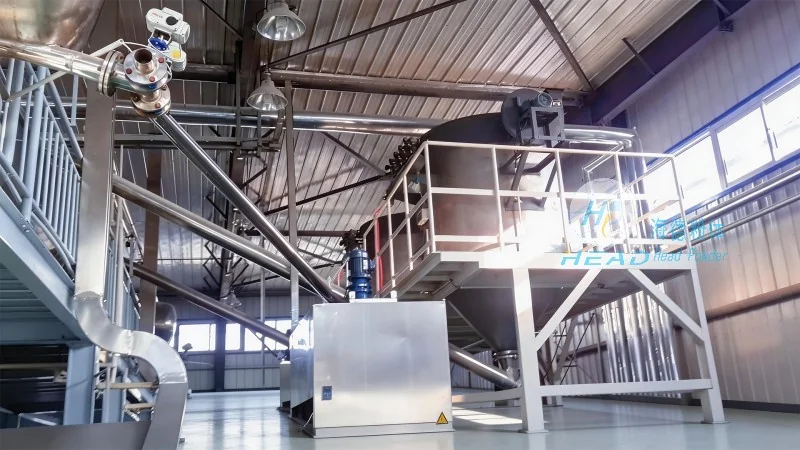
Modern perlite material conveying systems incorporate advanced control and monitoring systems to ensure optimal performance. These systems use sensors and controllers to monitor parameters like flow rate, pressure, and temperature. Sensors detect the level of material in the feeder and conveyor, providing real-time data to the control system. The control system adjusts the feeder speed or conveyor speed as needed to maintain consistent material flow. Additionally, the system may include alarms and safety features to prevent overloading or blockages. This integration of technology enhances the reliability and efficiency of the conveying process, reducing the risk of operational issues. The control and monitoring systems are crucial for maintaining the quality of the perlite and ensuring smooth production operations.
Maintaining the efficiency of perlite material conveying systems requires regular maintenance and proper operational practices. Regular inspections of components like belts, bearings, and valves are essential to identify and address potential issues before they cause downtime. Cleaning the system, especially the conveyor and dust collection units, is important to prevent clogging and maintain air quality. Operational considerations include ensuring that the system is properly loaded and that the flow rate is adjusted according to production demands. Proper training of operators on the system's operation and maintenance is also critical for optimal performance. By following these guidelines, the system can operate efficiently and reliably, extending its lifespan and reducing maintenance costs.
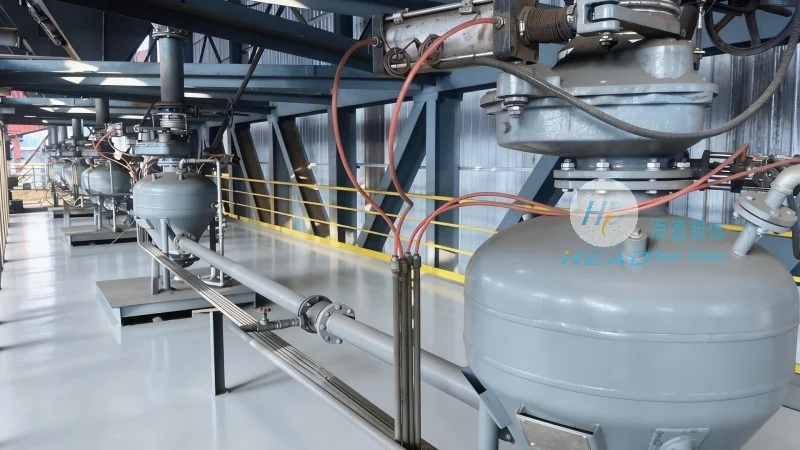
Perlite material conveying systems are widely used in industries such as construction, agriculture, and chemical processing. In construction, perlite is often used as an insulating material, and efficient conveying ensures consistent quality in final products. In agriculture, perlite is used as a soil amendment, and reliable conveying supports large-scale production. The ability to handle perlite effectively contributes to the overall productivity and cost-effectiveness of these industries. The systems developed by Shandong HeadPowder Engineering Co., Ltd. are designed to meet the specific needs of these applications, providing durable and efficient solutions for material handling.
As technology advances, perlite material conveying systems are evolving to incorporate more advanced features. Automation and artificial intelligence are being integrated to enhance control and monitoring capabilities. New materials and designs are being explored to improve the durability and efficiency of components. These innovations aim to further optimize the conveying process, reduce energy consumption, and minimize environmental impact. The ongoing development of these systems reflects the industry's commitment to improving operational efficiency and sustainability. Shandong HeadPowder Engineering Co., Ltd. remains at the forefront of these advancements, continuously updating its systems to meet the evolving needs of its clients.
Perlite material conveying systems are essential for efficient industrial operations, and understanding their operational process and working principles is crucial for optimal performance. From key components to control systems, each aspect of the system plays a vital role in ensuring reliable material transport. Regular maintenance and proper operation are key to maximizing the lifespan and efficiency of these systems. As technology continues to advance, the future of perlite material conveying holds promising innovations that will further enhance industrial productivity. Shandong HeadPowder Engineering Co., Ltd. provides comprehensive solutions for perlite material conveying, combining expertise and advanced technology to meet the diverse needs of its clients.

 Shandong Headpowder Engineering Co., Ltd.
 156-6277-7102(Manager Zhang)
  0531-83386006
  Zhangqiu District, Jinan City, Shandong Province, China
telephone
WeChatconsult
top