

Operation Process and Working Principle of Cement Powder Material Handling
For industrial applications, efficient and reliable cement powder material handling is crucial. This article explores the operation process and working principle of cement powder handling systems, focusing on the key components and mechanisms that ensure smooth material transport. The discussion will cover the fundamental aspects of how these systems function, from initial material intake to final discharge, while highlighting the importance of proper design and maintenance for optimal performance.
Key Components of Cement Powder Handling Systems
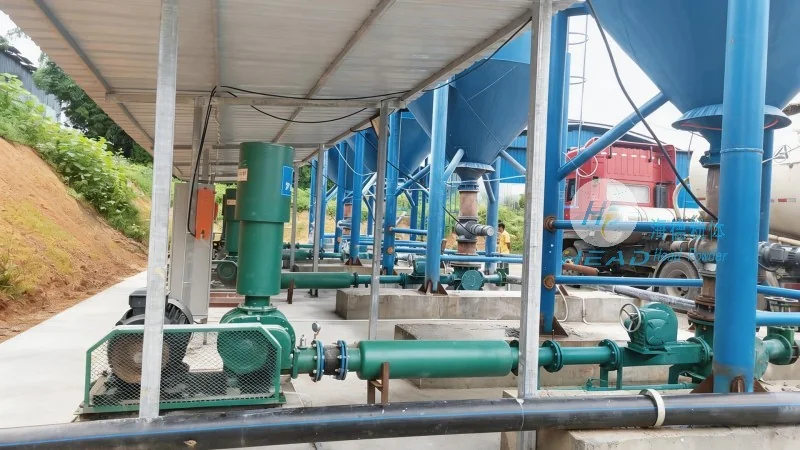
The cement powder handling system typically consists of several critical components that work in tandem to facilitate material transport. These include feeders, conveyors, storage silos, and control systems. Each component plays a vital role in the overall operation. Feeders are responsible for controlling the flow rate of cement powder from the storage silo to the conveyor. Common types of feeders include rotary valves and screw conveyors, which ensure a consistent and controlled discharge of material. The conveyor system, often a pneumatic or mechanical type, transports the cement powder from the feeder to the discharge point. Pneumatic conveyors use air pressure to move the powder through pipes, while mechanical conveyors rely on belts or chains to move the material. Storage silos are used to store large quantities of cement powder, providing a buffer for the system and ensuring a steady supply. Control systems monitor and regulate the operation of the feeders, conveyors, and silos, maintaining optimal performance and preventing issues such as blockages or overfilling.
Operation Process of Cement Powder Handling
The operation process of a cement powder handling system involves several sequential steps. First, the cement powder is stored in the silo. The feeder then draws the material from the silo and regulates the flow rate. The controlled material is then fed into the conveyor system. Depending on the type of conveyor, the powder is transported through pipes or along a belt. In pneumatic systems, the powder is mixed with air and propelled through the pipeline. In mechanical systems, the powder moves along the conveyor belt or chain. The material is then discharged at the end of the conveyor, where it can be further processed or used in downstream applications. The entire process is monitored by the control system, which adjusts the flow rate and ensures that the system operates within safe and efficient parameters. Regular maintenance of the components, such as cleaning the feeders and checking the conveyor belts, is essential to prevent clogs and ensure consistent performance.
Working Principle of Cement Powder Handling Systems
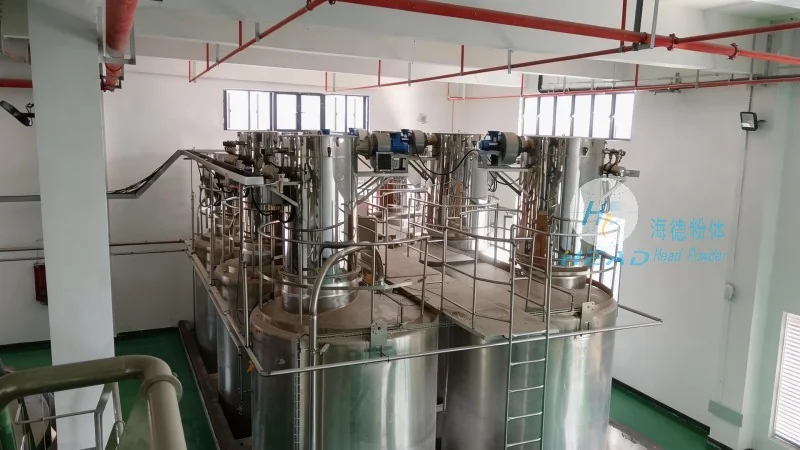
The working principle of cement powder handling systems is based on the principles of fluidization and pneumatic transport. In pneumatic systems, the cement powder is suspended in a stream of air, which allows it to be moved through the pipeline. The air pressure creates a pressure differential that drives the material forward. The flow rate is controlled by adjusting the air pressure or the material feed rate. In mechanical systems, the conveyor belt or chain moves the material by friction, with the speed of the conveyor determining the transport rate. The design of the system must consider the properties of the cement powder, such as its particle size, density, and flowability, to ensure efficient transport. For example, cohesive or fine powders may require special handling techniques, such as using a rotary valve with a larger opening or a pneumatic system with higher air pressure. The control system plays a critical role in maintaining the proper balance between the material feed rate and the conveyor speed, preventing overloading or underloading of the system.
Importance of Proper Design and Maintenance
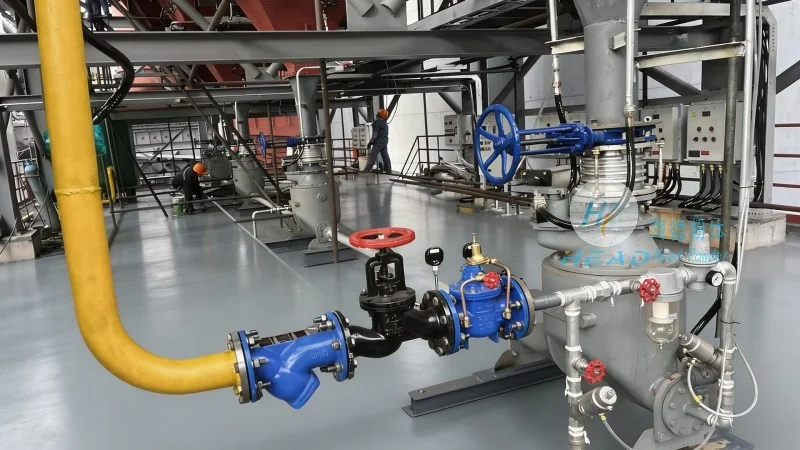
Proper design and regular maintenance are essential for the reliable operation of cement powder handling systems. The design must consider the specific requirements of the application, including the volume of material to be handled, the distance of transport, and the desired flow rate. The choice of components, such as the type of feeder and conveyor, is critical to ensure that the system can handle the material efficiently and safely. Regular maintenance, including cleaning the feeders, checking the conveyor belts for wear, and inspecting the silos for leaks, is necessary to prevent blockages and ensure consistent performance. Additionally, the control system should be calibrated regularly to maintain optimal operation. By following these guidelines, industrial facilities can ensure that their cement powder handling systems operate efficiently, reducing downtime and improving overall productivity.
About Shandong HeadPowder Engineering Co., Ltd.
Shandong HeadPowder Engineering Co., Ltd., also known as headpowder, is a leading manufacturer of cement powder handling systems. With a focus on innovation and quality, the company provides a range of solutions tailored to the needs of industrial clients. The company's products are designed to meet the highest standards of performance and reliability, ensuring that clients can achieve efficient and safe material transport. Headpowder's team of experts works closely with clients to understand their specific requirements and develop customized solutions. The company's commitment to customer satisfaction and technical excellence has made it a trusted partner in the industry. Headpowder's facilities are located in Shandong, China, where the company conducts research and development, manufacturing, and sales activities. The company's products are used in various industries, including cement production, construction, and chemical processing, providing reliable material handling solutions for a wide range of applications.