With more than 10‑year industry experience, Shandong Headpowder delivers full‑service pneumatic‑conveying systems and blowers, undertaking nationwide turn‑key powder‑handling projects.
HeadPowder, a leading enterprise in the field of material handling solutions, specializes in the design, manufacturing, and implementation of efficient systems for conveying synthetic rubber materials. Based in Shandong, China, the company leverages advanced engineering and industry expertise to deliver reliable and high-performance conveying equipment tailored to the unique demands of the rubber processing industry.
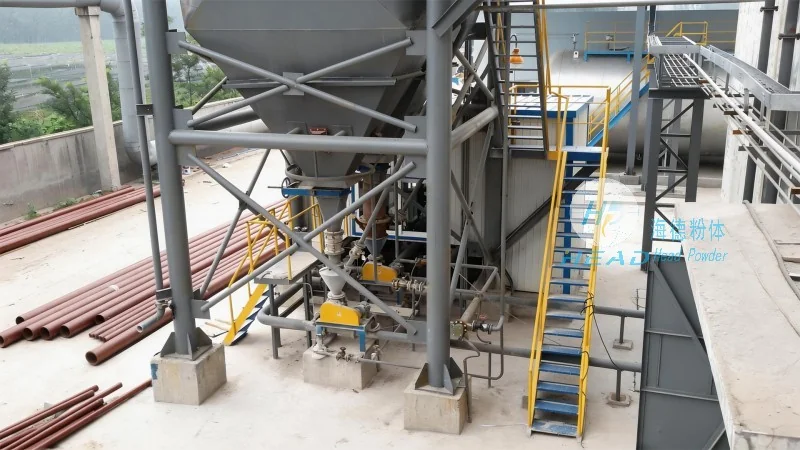
Synthetic rubber material conveying systems are critical components in the production and processing of synthetic rubber products. These systems are engineered to transport raw materials, intermediate products, and finished goods with precision and efficiency, ensuring smooth workflow and minimal downtime in manufacturing facilities. The core of such systems lies in the integration of specialized equipment, including conveyors, feeders, and control mechanisms, all working in harmony to achieve optimal material handling performance.
The operation of synthetic rubber material conveying systems typically follows a systematic sequence of steps designed to ensure consistent and reliable material movement. The process begins with the intake of raw synthetic rubber materials, which are often stored in bulk containers or silos. An automated feeding mechanism then transports the material from the storage area to the primary conveying equipment. This initial stage involves the use of bulk material feeders or screw conveyors, which are capable of handling the bulk density and flow characteristics of synthetic rubber materials.
Once the material is fed into the primary conveyor, it is transported through a network of channels or pipelines. The choice of conveyor type—such as belt conveyors, pneumatic conveyors, or screw conveyors—depends on the specific properties of the synthetic rubber, including its particle size, moisture content, and handling requirements. For example, belt conveyors are commonly used for transporting larger rubber pieces or pellets, while pneumatic systems are ideal for fine powders or granules that require gentle handling to prevent degradation.
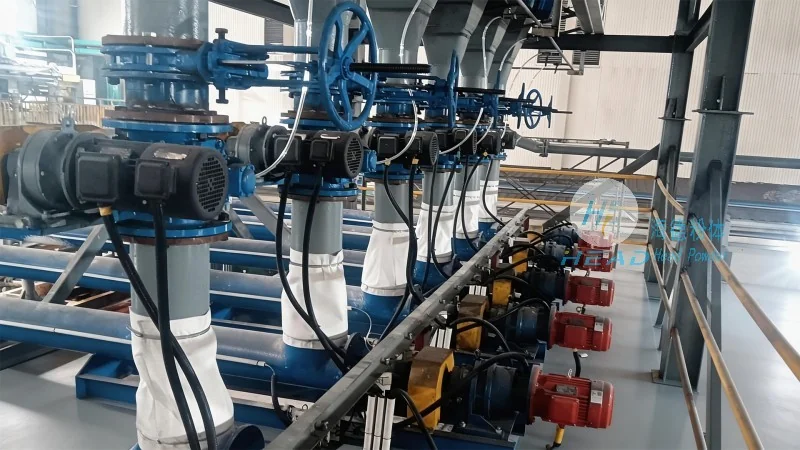
During the conveying process, the system incorporates control mechanisms to regulate the flow rate and direction of the material. Sensors and feedback loops monitor the material level, speed, and position, ensuring that the conveyor operates within safe and efficient parameters. This automation not only enhances operational efficiency but also minimizes the risk of material spillage or blockages, which can lead to production disruptions.
The material then proceeds to the next stage of processing, such as mixing, compounding, or packaging. The conveying system ensures that the synthetic rubber is delivered to the processing equipment in a controlled manner, maintaining consistent quality and preventing contamination. At each stage, the system may include additional components like hoppers, chutes, or rotary valves to direct the material flow accurately.
The working principle of synthetic rubber material conveying equipment revolves around the fundamental concepts of mechanical force and material flow. Each component of the system is designed to interact with the synthetic rubber in a way that facilitates movement without causing damage or degradation. For instance, belt conveyors utilize a continuous loop of rubber or synthetic material supported by rollers, which move the material by friction. The speed and tension of the belt are carefully controlled to maintain a consistent conveying rate.
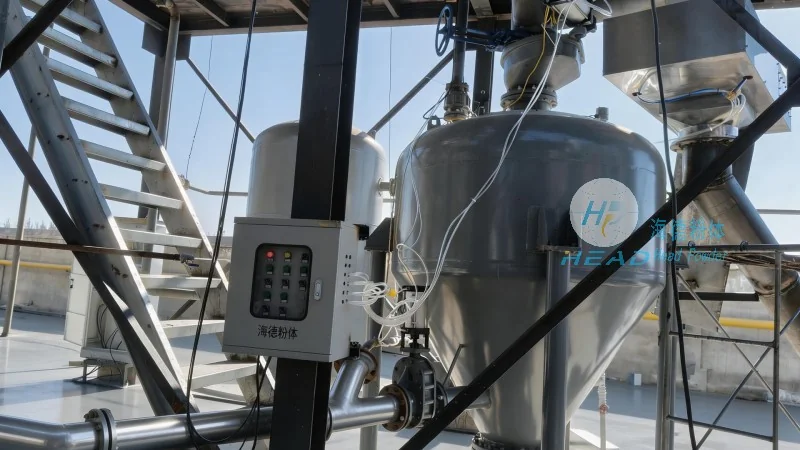
Pneumatic conveying systems, on the other hand, operate based on the principles of fluid dynamics. These systems use compressed air to create a pressure differential that propels the synthetic rubber particles through a pipeline. The air velocity and pressure are optimized to ensure that the material is transported smoothly and without excessive wear. This method is particularly effective for handling fine powders or granules, as it minimizes the risk of material degradation caused by mechanical impact.
Screw conveyors employ a rotating helical screw to move material along a closed tube. The rotation of the screw creates a positive displacement, pushing the synthetic rubber forward. The pitch and diameter of the screw are selected based on the material's bulk density and flow characteristics, ensuring efficient transport. Screw conveyors are versatile and can handle a wide range of synthetic rubber materials, from pellets to powders, making them a popular choice in many industrial applications.
All conveying equipment used in synthetic rubber material handling is designed with durability and reliability in mind. The materials used for the construction of conveyors, such as stainless steel or corrosion-resistant alloys, are chosen to withstand the chemical and physical properties of synthetic rubber, which may include oils, solvents, or other additives. Additionally, the system incorporates maintenance features, such as easy access to components and automated cleaning mechanisms, to ensure long-term operational efficiency.
The synthetic rubber material conveying systems offered by HeadPowder Engineering Co., Ltd. are characterized by several key features that enhance their performance and reliability. These systems are designed to handle a wide variety of synthetic rubber types, including SBR, NR, and EPDM, ensuring versatility across different applications. The equipment is equipped with advanced control systems that allow for real-time monitoring and adjustment of conveying parameters, improving operational flexibility and reducing downtime.
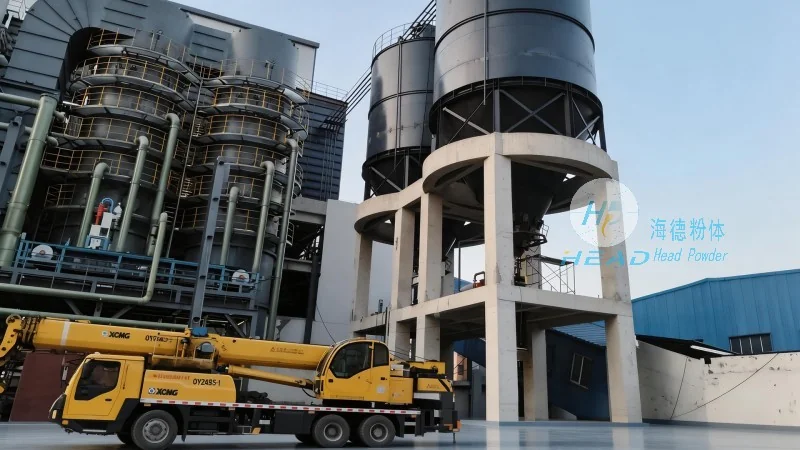
Another significant benefit is the system's ability to maintain material integrity throughout the conveying process. By minimizing mechanical stress and preventing contamination, the equipment ensures that the synthetic rubber retains its quality and properties, which is crucial for downstream processing steps. This is particularly important in the rubber industry, where material consistency directly impacts the final product's performance and durability.
Furthermore, the systems are engineered for energy efficiency and low maintenance costs. Advanced motor controls and optimized conveyor designs reduce energy consumption, while modular construction allows for easy replacement of worn components. This not only lowers operational expenses but also extends the lifespan of the equipment, providing long-term value to clients.
HeadPowder Engineering Co., Ltd. emphasizes customization in its conveying solutions, ensuring that each system is tailored to the specific needs of the client. Whether it's a small-scale operation or a large industrial facility, the company provides comprehensive solutions that integrate seamlessly with existing production lines. The company's commitment to quality and innovation has made it a trusted partner in the rubber processing industry, delivering reliable and efficient material handling solutions.

 Shandong Headpowder Engineering Co., Ltd.
 156-6277-7102(Manager Zhang)
  0531-83386006
  Zhangqiu District, Jinan City, Shandong Province, China
telephone
WeChatconsult
top