With more than 10‑year industry experience, Shandong Headpowder delivers full‑service pneumatic‑conveying systems and blowers, undertaking nationwide turn‑key powder‑handling projects.
Coal gangue and lime are common byproducts in the mining and processing industries. Efficient material handling systems are crucial for managing these materials to ensure smooth operations and environmental compliance. This article explores the coal gangue and lime material handling system, detailing its design principles and the key components that make it effective.
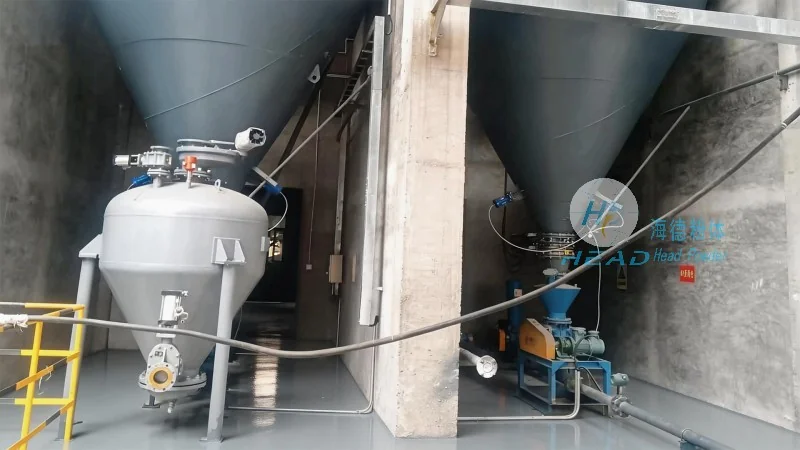
HeadPowder, a leading provider in the field, specializes in engineering solutions tailored to the unique challenges of handling such materials. With a strong presence in Shandong, China, the company has developed advanced systems that address the specific needs of coal gangue and lime transportation, storage, and processing. The following sections will delve into the system's design principles, highlighting how these systems are optimized for performance, reliability, and sustainability.
The coal gangue and lime material handling system typically consists of several integrated components that work in harmony to ensure efficient material flow. These components include feeders, conveyors, storage silos, and control systems. Each component is designed to handle the specific characteristics of coal gangue and lime, such as their bulk density, particle size, and moisture content.
Feeders are used to regulate the flow of material from the source to the conveyor system. They ensure a consistent and controlled feed rate, preventing overloading or underloading of the conveyor. Different types of feeders, such as belt feeders or screw feeders, may be used depending on the material's properties and the system's requirements. For coal gangue and lime, which can be abrasive and have varying particle sizes, heavy-duty feeders with robust construction are essential to minimize wear and tear.
Conveyors are the backbone of the material handling system, responsible for transporting the material from one location to another. Various types of conveyors are available, including belt conveyors, chain conveyors, and bucket elevators. Belt conveyors are commonly used for horizontal and slight incline transport due to their high capacity and low maintenance. Chain conveyors are suitable for steeper inclines or when the material is more abrasive. Bucket elevators are ideal for vertical transport, especially when the material needs to be lifted to a higher elevation for storage or processing.
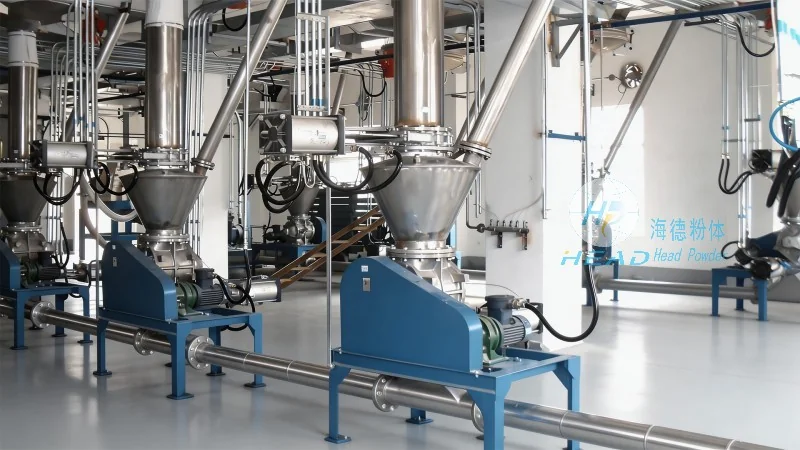
Storage silos are used to store the material temporarily before it is processed or transported to the next stage. These silos are designed to maintain the material's quality and prevent segregation. The design of the silo, including its shape and internal features, is critical to ensure even material flow and prevent compaction or bridging. For coal gangue and lime, which can be prone to bridging, silos with special designs, such as cone-shaped bases or internal agitators, are often employed to maintain material flow.
Control systems are integral to the operation of the material handling system, providing monitoring and control of the various components. These systems use sensors and automation to ensure the system operates efficiently and safely. They can monitor parameters such as material flow rate, conveyor speed, and silo level, and adjust the system's operation accordingly. This helps to prevent overloads, reduce energy consumption, and improve overall system performance.
The design of a coal gangue and lime material handling system follows several key principles to ensure optimal performance. These principles focus on maximizing efficiency, minimizing downtime, and ensuring safety. The first principle is to match the system's components to the material's characteristics. This involves selecting the appropriate feeder, conveyor, and storage equipment based on the material's bulk density, particle size distribution, and moisture content. For example, if the material is highly abrasive, the components must be made of durable materials to withstand the wear and tear.
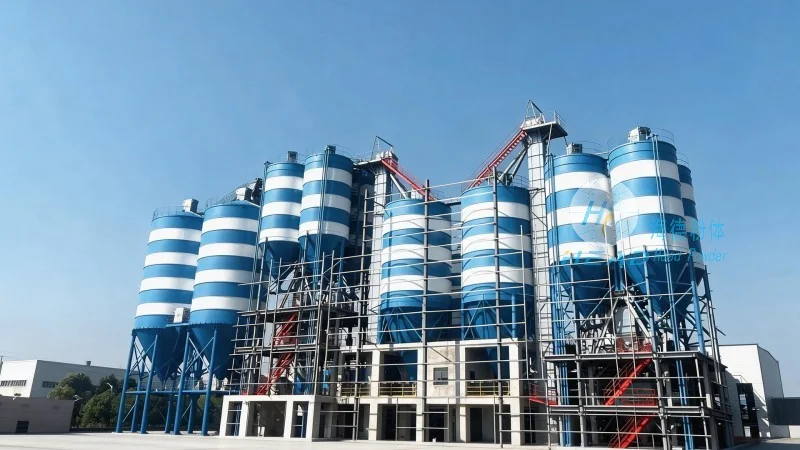
The second principle is to ensure the system's capacity matches the production requirements. The conveyor system must be able to handle the expected material flow rate without overloading or underloading. This involves calculating the material's flow rate based on its bulk density and the conveyor's speed. The storage silos must also be sized appropriately to accommodate the expected material volume, ensuring that the system can operate continuously without frequent stops for refilling.
The third principle is to minimize energy consumption. This is achieved by selecting energy-efficient components and optimizing the system's operation. For example, using variable speed drives on conveyors allows for adjustments in speed based on the material flow rate, reducing energy waste. Additionally, proper maintenance of the system helps to ensure that it operates at peak efficiency, minimizing energy losses due to friction or other inefficiencies.
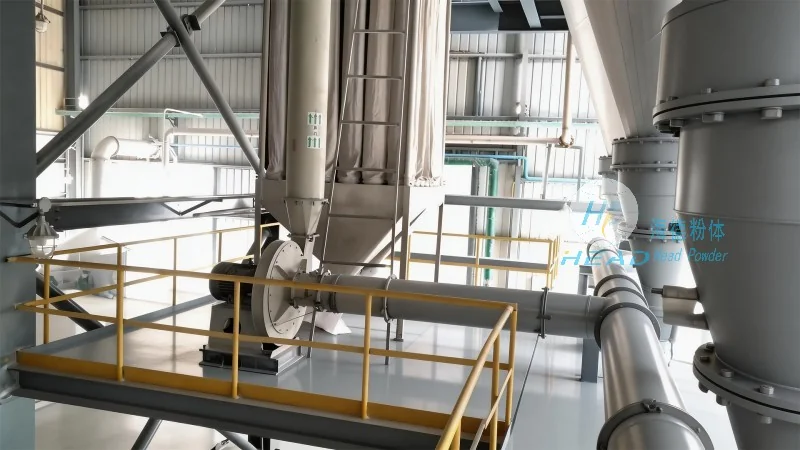
The fourth principle is to ensure safety and environmental compliance. The system must be designed to prevent accidents and comply with environmental regulations. This includes features such as emergency stop buttons, safety guards, and dust control systems. Dust control is particularly important for coal gangue and lime, as these materials can generate significant dust during handling. Proper ventilation and filtration systems are used to capture and remove dust, ensuring a safe working environment and preventing air pollution.
Implementing a well-designed coal gangue and lime material handling system offers several benefits for industrial operations. The primary benefit is improved efficiency, as the system allows for continuous and unobstructed material flow. This reduces downtime and increases production capacity, leading to higher productivity and lower operating costs. The system also improves safety by minimizing manual handling of materials, reducing the risk of accidents and injuries.
Another benefit is enhanced environmental performance. By controlling dust and ensuring proper storage, the system helps to minimize the environmental impact of coal gangue and lime handling. This is crucial for meeting regulatory requirements and maintaining a positive public image. Additionally, the system can be designed to recover and reuse materials, reducing waste and promoting sustainability.
Finally, the system provides flexibility and adaptability. As production requirements change, the system can be adjusted to accommodate new material types or increased flow rates. This flexibility allows companies to scale their operations without significant investments in new equipment. The system can also be integrated with other processing equipment, such as crushers or classifiers, to form a complete material handling and processing line.
Coal gangue and lime material handling systems are critical components of modern industrial operations, enabling efficient management of these byproducts. The design principles outlined above, including matching components to material characteristics, ensuring capacity, minimizing energy consumption, and prioritizing safety and environmental compliance, are essential for creating an effective system. HeadPowder, with its expertise and presence in Shandong, China, offers comprehensive solutions that address the unique challenges of handling coal gangue and lime. By implementing such a system, companies can improve their operational efficiency, reduce costs, and enhance their environmental performance, contributing to sustainable industrial practices.

 Shandong Headpowder Engineering Co., Ltd.
 156-6277-7102(Manager Zhang)
  0531-83386006
  Zhangqiu District, Jinan City, Shandong Province, China
telephone
WeChatconsult
top