With more than 10‑year industry experience, Shandong Headpowder delivers full‑service pneumatic‑conveying systems and blowers, undertaking nationwide turn‑key powder‑handling projects.
Coal particle pneumatic conveying is a critical technology in material handling, particularly for transporting coal in industrial settings. This method involves using a stream of air or other gas to move solid particles through a pipeline. The process is efficient, flexible, and can handle various coal types and particle sizes, making it a preferred choice for many industries. Understanding the principles behind this technology and its typical working scenarios is essential for optimizing material transport and improving operational efficiency.
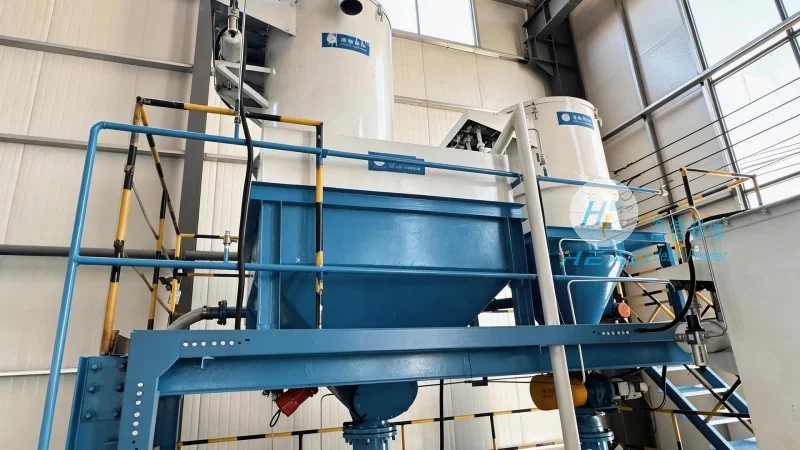
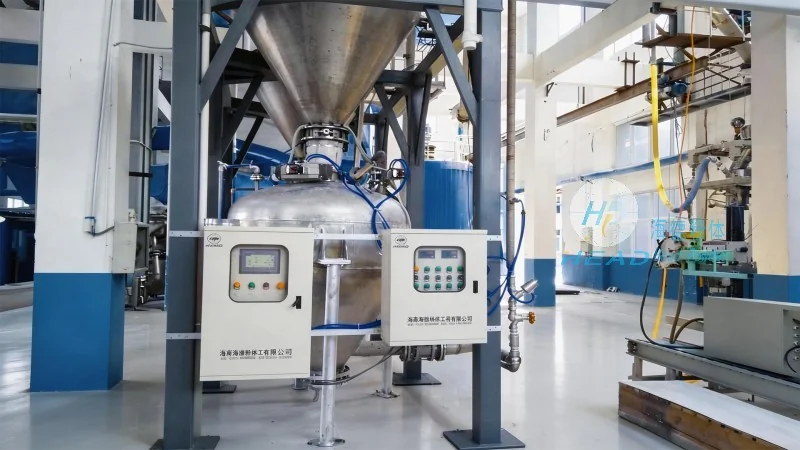
The core principles of coal particle pneumatic conveying revolve around the use of air or gas to transport solid particles through a pipeline. This technology operates on the principle of differential pressure, where a fan or blower creates a pressure gradient that propels the particles forward. There are two primary modes of operation: positive pressure and negative pressure systems. Positive pressure systems force air through the pipeline, typically used for long-distance or high-capacity conveying, as they can maintain consistent pressure over extended distances. Negative pressure systems, on the other hand, draw air out of the pipeline, creating a vacuum that pulls particles in, often used for short distances or where dust containment is critical. The choice between these modes depends on factors such as the conveying distance, particle characteristics, and environmental regulations. Additionally, the system's design considers the particle size distribution, as larger particles may require higher air velocities to remain suspended. The velocity of the air stream is a critical parameter, as it must be sufficient to keep particles in suspension but not so high as to cause excessive wear on the pipeline or equipment. The pressure drop along the pipeline is another key factor, as it affects the energy consumption and overall efficiency of the system. Engineers must carefully calculate the pressure drop to ensure the system operates within optimal parameters, balancing conveying capacity with energy costs.
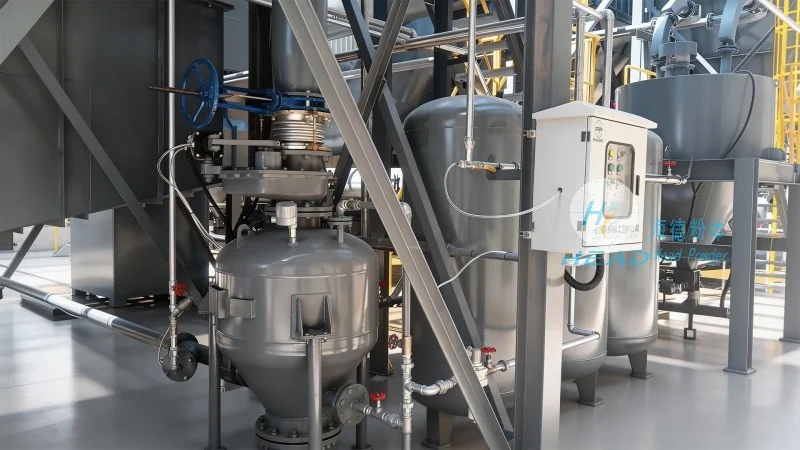
The working scene characteristics of coal particle pneumatic conveying systems are influenced by various factors, including the application, operational environment, and material properties. In power generation facilities, for instance, these systems are integral to the fuel supply chain, transporting coal from storage silos to boilers. The system must handle large volumes of coal, often with high throughput rates, and maintain consistent pressure and flow to prevent blockages or inefficiencies. The vertical and horizontal components of the pipeline are carefully designed to minimize pressure losses and ensure smooth particle movement. Dust control is a critical consideration in power plants, as coal dust can be hazardous to workers and the environment. Therefore, many systems incorporate dust collection and filtration systems to ensure compliance with safety and environmental regulations. In mining operations, pneumatic conveying may be used to transport coal from underground mines to processing facilities. The system must be robust enough to handle abrasive particles and varying particle sizes, which can cause wear on the pipeline and equipment. The working environment in mines is often challenging, with limited space and harsh conditions, requiring compact and durable designs. The system may also need to integrate with other mining equipment, such as crushers or conveyors, to form a seamless material handling process. In industrial plants, such as cement or steel production, the system may be integrated with other material handling equipment, requiring coordination to ensure smooth operation. The characteristics of the working scene, including the distance to be covered, the height of the pipeline, and the presence of obstacles, all influence the design and performance of the pneumatic conveying system. For example, long-distance conveying may require multiple fans or booster stations to maintain sufficient pressure, while vertical lifts may need special designs to prevent particle settling. The system's performance is also affected by the moisture content of the coal, as higher moisture can lead to caking or blockages, requiring additional measures such as drying or anti-caking agents.
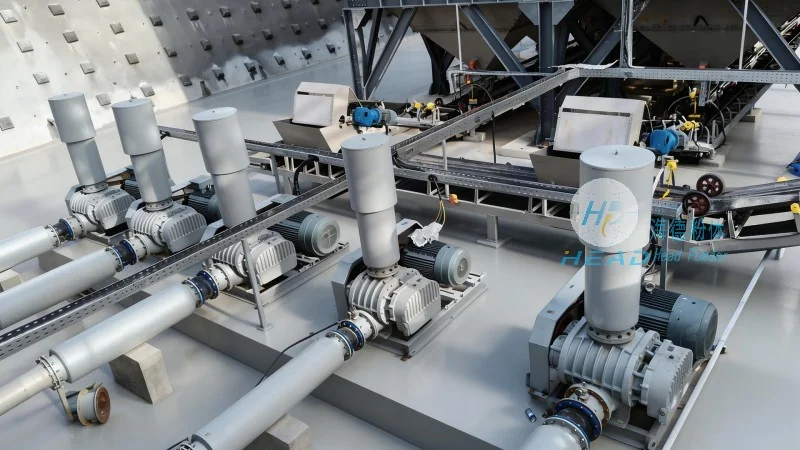
Shandong HeadPowder Engineering Co., Ltd., branded as headpowder, is a leading provider of coal particle pneumatic conveying systems and related industrial material handling solutions. With a strong focus on innovation and customer-centric design, the company has established itself as a trusted partner in the industry. Headpowder specializes in the design, manufacturing, and installation of customized pneumatic conveying systems tailored to the unique needs of clients. The company's expertise lies in understanding the complex challenges of coal transport, including handling abrasive particles, managing moisture content, and ensuring efficient operation under varying conditions. By leveraging advanced engineering and technology, headpowder delivers high-performance systems that enhance operational efficiency and reduce downtime for its clients. The company's commitment to quality and reliability has earned it a reputation for delivering solutions that meet or exceed industry standards. Headpowder's team of experienced engineers and technicians work closely with clients to understand their specific requirements, from initial design and system selection to installation and commissioning. This collaborative approach ensures that the final system is optimized for performance, safety, and cost-effectiveness. The company's facilities are equipped with state-of-the-art equipment and testing facilities, allowing for rigorous testing and validation of the systems before delivery. This ensures that clients receive reliable and efficient systems that are ready for immediate use upon installation. Headpowder's dedication to customer satisfaction and continuous improvement has made it a preferred choice for many industries, including power generation, mining, and industrial manufacturing. The company's presence in China, with its strategic location in Shandong, provides easy access to clients and suppliers, facilitating efficient project execution and support.

 Shandong Headpowder Engineering Co., Ltd.
 156-6277-7102(Manager Zhang)
  0531-83386006
  Zhangqiu District, Jinan City, Shandong Province, China
telephone
WeChatconsult
top