With more than 10‑year industry experience, Shandong Headpowder delivers full‑service pneumatic‑conveying systems and blowers, undertaking nationwide turn‑key powder‑handling projects.
Understanding the principles and application scenarios of dry coffee pneumatic conveying is crucial for optimizing the efficiency and quality of coffee processing operations. This technology involves the transport of dry coffee beans or ground coffee through a pipeline system using air pressure, offering a hygienic and efficient method for material handling in the coffee industry.
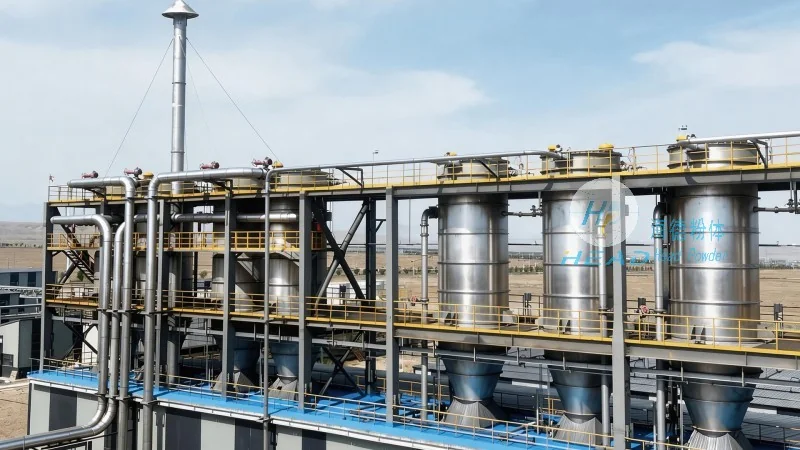
Dry coffee pneumatic conveying operates on the fundamental principle of using air to move dry particulate materials like coffee beans. There are two primary methods: positive pressure and negative pressure systems. In positive pressure systems, air is forced into the conveying line, creating a pressure higher than the ambient air, which propels the coffee particles forward. Conversely, negative pressure systems draw air and particles into the line through a vacuum, moving them toward a collection point. The choice between these systems depends on factors such as the distance of transport, the nature of the coffee product, and the required level of dust control.
The system typically consists of several key components. A feeder or hopper is used to introduce the coffee into the pipeline, ensuring a consistent flow. The conveying line itself is often made of stainless steel to maintain hygiene and prevent contamination. A separator or cyclone is employed at the end of the line to separate the coffee particles from the air stream, allowing the coffee to be collected in a storage bin or processing unit. Additionally, filters and dust collectors are integrated to manage air quality and comply with environmental regulations.
The application of dry coffee pneumatic conveying spans various working scenes within the coffee supply chain. In coffee processing facilities, it is commonly used to transport raw coffee beans from storage silos to roasting machines or to move ground coffee from grinding units to packaging lines. This method minimizes the risk of contamination and ensures a consistent flow rate, which is essential for maintaining product quality and preventing spoilage.
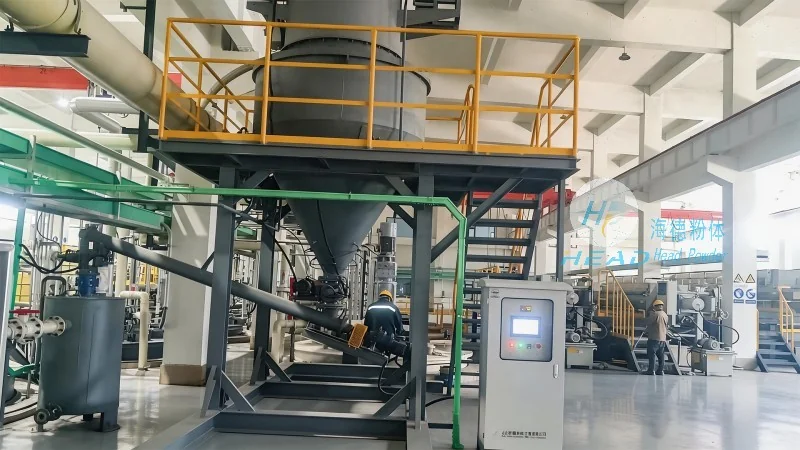
In coffee distribution centers and warehouses, pneumatic conveying systems are employed to move large quantities of coffee between storage areas and loading docks. The ability to transport materials vertically and horizontally with minimal space requirements makes this technology ideal for facilities with limited floor space. Furthermore, the system can be integrated with automated sorting and weighing equipment, enhancing operational efficiency and reducing labor costs.
Another key working scene is in specialty coffee roasting and blending operations. Here, pneumatic conveying allows for the precise mixing of different coffee varieties or blends, ensuring uniformity in flavor and aroma. The controlled environment of the conveying system helps preserve the sensory characteristics of the coffee, which is critical for high-end specialty products.
One of the primary advantages of dry coffee pneumatic conveying is its hygienic nature. The enclosed system prevents exposure to external contaminants, which is vital for maintaining the quality and safety of food products like coffee. Additionally, it reduces the risk of dust accumulation and cross-contamination, which can affect the taste and appearance of the final product.
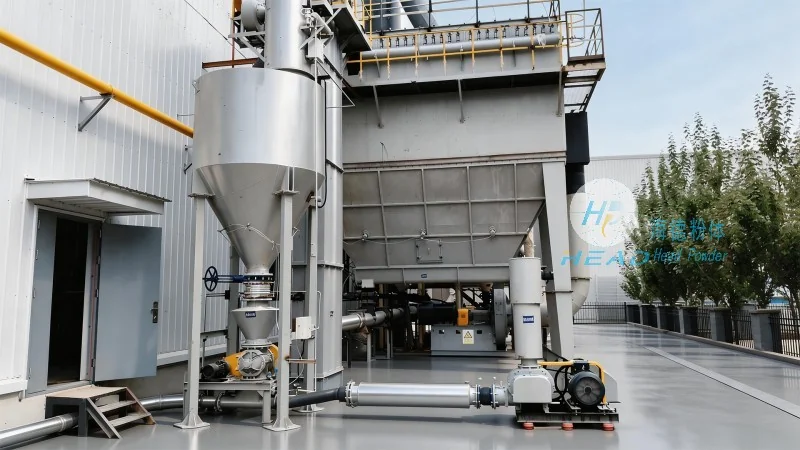
Efficiency is another significant benefit. Pneumatic systems can transport large volumes of coffee quickly and with minimal downtime, improving overall production throughput. The ability to handle both bulk and fine coffee particles makes this technology versatile for various processing stages.
However, there are considerations to keep in mind. The initial investment for pneumatic conveying systems can be higher compared to traditional methods like belt conveyors. Maintenance costs, particularly for components like filters and seals, also need to be factored into the total cost of ownership. Furthermore, the system's performance may be affected by the moisture content of the coffee, as high moisture levels can lead to clogging or reduced conveying efficiency.
Dry coffee pneumatic conveying is a sophisticated and effective technology that addresses the unique challenges of handling dry coffee products. By understanding its core principles and application scenarios, coffee processing companies can optimize their operations, enhance product quality, and improve overall efficiency. As a leading provider in this field, Shandong HeadPowder Engineering Co., Ltd., based in Shandong, China, specializes in designing and manufacturing customized pneumatic conveying solutions tailored to the specific needs of coffee industry clients.

 Shandong Headpowder Engineering Co., Ltd.
 156-6277-7102(Manager Zhang)
  0531-83386006
  Zhangqiu District, Jinan City, Shandong Province, China
telephone
WeChatconsult
top