With more than 10‑year industry experience, Shandong Headpowder delivers full‑service pneumatic‑conveying systems and blowers, undertaking nationwide turn‑key powder‑handling projects.
For industrial applications, the efficient and reliable transportation of dry desulfurization agents is crucial for maintaining the performance of flue gas desulfurization (FGD) systems. Pneumatic conveying technology offers a robust solution to handle these materials, which are typically fine powders with specific physical properties that require specialized handling. This article explores the fundamental principles of pneumatic conveying for dry desulfurization agents and highlights the key working scene characteristics that define their application in various industrial settings.
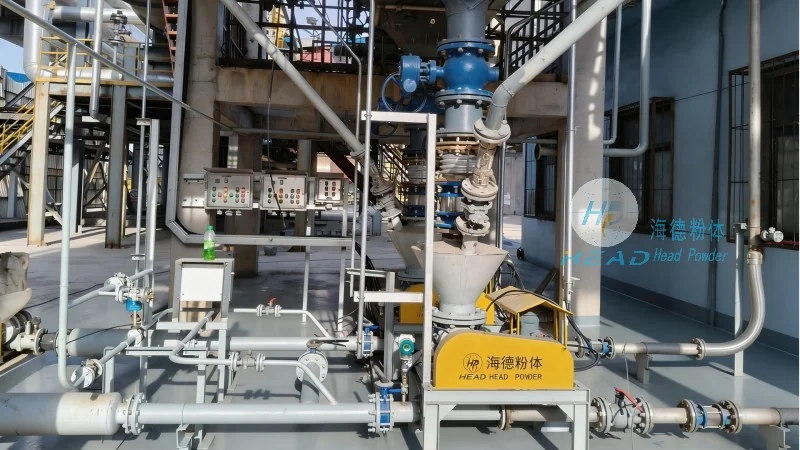
Pneumatic conveying is a method of transporting bulk materials, such as dry desulfurization agents, using a gas stream (usually air) to move particles through a pipeline. The core principle involves creating a pressure differential between the inlet and outlet of the conveying system, which propels the material forward. There are two primary types of pneumatic conveying systems: positive pressure and negative pressure (or vacuum) systems. Positive pressure systems operate by blowing air into the conveying line, while negative pressure systems create a vacuum at the discharge end to draw material into the line.
For dry desulfurization agents, the choice of system depends on several factors, including the material's particle size, density, and flowability. These agents are often fine powders with a high surface area, which can lead to issues like dust accumulation and caking if not handled properly. Pneumatic conveying addresses these challenges by maintaining the material in a suspended state, preventing blockages and ensuring consistent flow. The system design typically includes components such as a feeder, a conveying line, a separator, and a receiver. The feeder ensures a steady supply of material, while the separator separates the conveying air from the material, and the receiver collects the desulfurization agent for subsequent use in the FGD process.
The application of pneumatic conveying for dry desulfurization agents varies across different industrial sectors, each with unique operational requirements. In power plants, particularly coal-fired facilities, the need to transport large quantities of desulfurization agents over long distances is common. The working scene in this context involves high-volume, continuous operation, where the conveying system must handle significant material throughput without interruption. Factors such as the length of the conveying line, the elevation change, and the ambient temperature all influence the system's design and performance. For example, in a 500 MW coal-fired power plant, the pneumatic conveying system may need to transport desulfurization agents from a storage silo to the FGD reactor over a distance of several hundred meters, often with vertical lifts and horizontal runs.
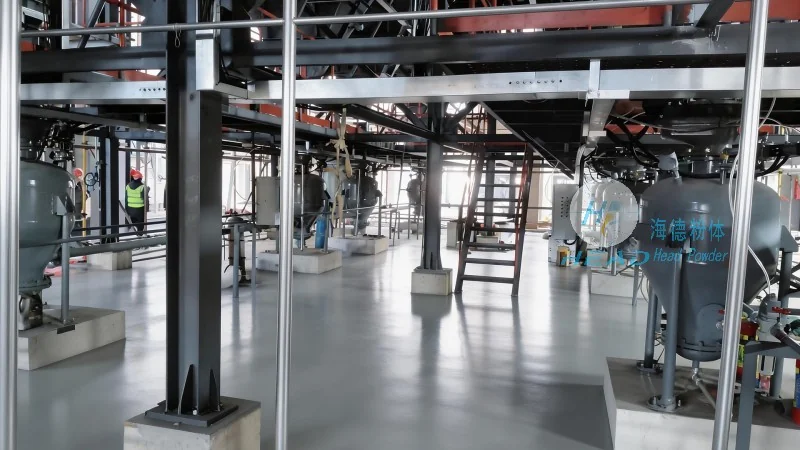
In industrial boiler applications, the scale of operation is typically smaller but still requires efficient material handling. These systems are often used in manufacturing facilities, chemical plants, and other industrial processes where flue gas desulfurization is integrated into the production line. The working scene here may involve handling a mix of desulfurization agents and other bulk materials, requiring the conveying system to be adaptable to different particle sizes and compositions. The focus is on maintaining consistent material flow to the desulfurization unit, minimizing downtime and ensuring compliance with environmental regulations.
Another important working scene is in the maintenance and retrofitting of existing FGD systems. As power plants and industrial facilities upgrade their desulfurization equipment, the need to transport new or replacement desulfurization agents arises. In these scenarios, the pneumatic conveying system must be flexible and capable of handling different material types, including those with varying moisture content or particle characteristics. The system design may include temporary or modular components to accommodate the retrofitting process, ensuring that the material is delivered to the correct location without disrupting ongoing operations.
Effective pneumatic conveying of dry desulfurization agents relies on careful consideration of several technical and operational factors. The selection of the conveying system type (positive or negative pressure) is critical, as it directly impacts the energy consumption and material handling efficiency. Positive pressure systems are generally more suitable for long-distance, high-volume applications due to their ability to maintain consistent pressure and flow, while negative pressure systems are better for short-distance or indoor applications where dust control is a priority.
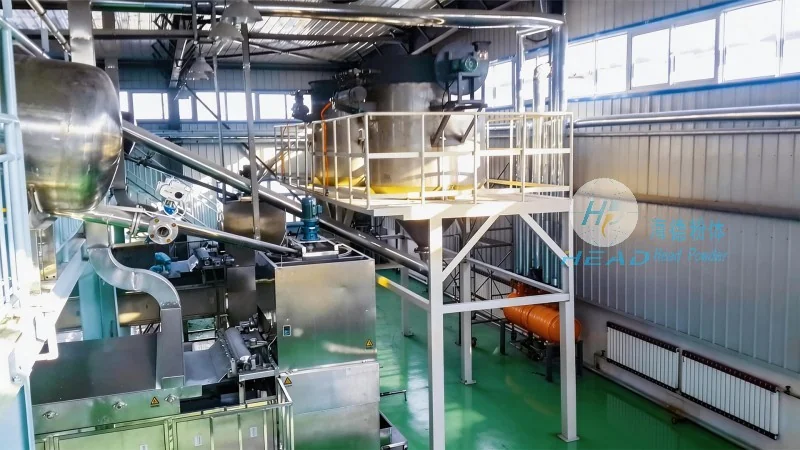
Material properties play a significant role in system design. Dry desulfurization agents often have a tendency to agglomerate or form clumps, which can lead to blockages in the conveying line. To mitigate this, the system may include features such as a rotary valve feeder, which breaks up agglomerates and ensures a uniform flow of material. Additionally, the use of air classifiers or cyclones in the separator helps to remove fine particles from the conveying air, reducing dust emissions and improving system efficiency.
The layout of the conveying line is another key factor. The design must account for the physical constraints of the facility, such as space limitations, existing infrastructure, and the need to avoid obstacles. The use of flexible hoses or flexible connectors can help to accommodate changes in the system layout or equipment movement during maintenance. Furthermore, the system should be equipped with monitoring and control devices to track material flow, pressure, and temperature, allowing for real-time adjustments to maintain optimal performance.
Pneumatic conveying is a vital technology for the efficient transportation of dry desulfurization agents in various industrial applications. By understanding the fundamental principles of pneumatic conveying and the specific working scene characteristics of different industries, manufacturers and operators can design and implement systems that meet their operational needs. As a leading provider of engineering solutions, Shandong HeadPowder Engineering Co., Ltd. specializes in developing customized pneumatic conveying systems tailored to the unique requirements of dry desulfurization agents, ensuring reliable and efficient material handling for power plants, industrial boilers, and other facilities. With a focus on innovation and quality, HeadPowder Engineering Co., Ltd. continues to advance the technology of pneumatic conveying, supporting the global effort to reduce sulfur dioxide emissions and improve air quality.

 Shandong Headpowder Engineering Co., Ltd.
 156-6277-7102(Manager Zhang)
  0531-83386006
  Zhangqiu District, Jinan City, Shandong Province, China
telephone
WeChatconsult
top