With more than 10‑year industry experience, Shandong Headpowder delivers full‑service pneumatic‑conveying systems and blowers, undertaking nationwide turn‑key powder‑handling projects.
Heptahydrate magnesium sulfate, commonly known as Epsom salt, is a widely used chemical compound in various industrial applications. The efficient transportation of this material from storage to processing units is crucial for maintaining production efficiency and safety. Pneumatic conveying, a method that uses air or other gas streams to transport solid materials, offers a reliable solution for handling heptahydrate magnesium sulfate. This article explores the fundamental principles behind pneumatic conveying of heptahydrate magnesium sulfate and highlights the key characteristics of its application in different working scenarios.
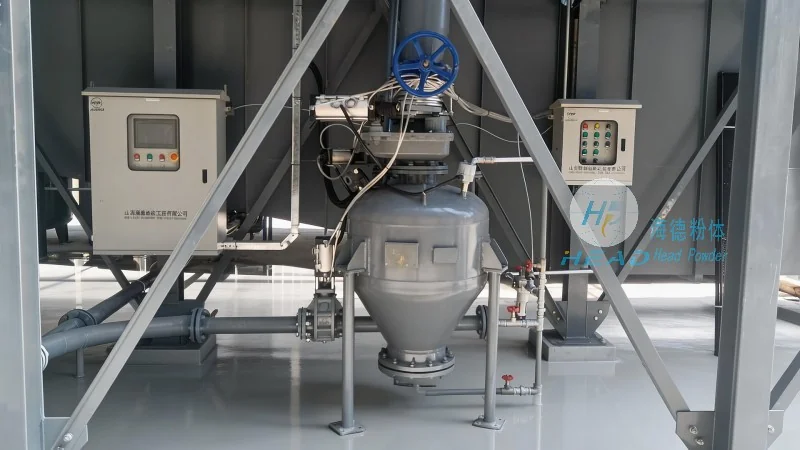
Pneumatic conveying operates on the principle of creating a pressure differential between the conveying line and the ambient environment. By introducing air or a suitable gas into the system, the material is lifted and transported through the pipeline. The process typically involves a combination of pressure and vacuum systems, depending on the specific requirements of the application. In the case of heptahydrate magnesium sulfate, the material's physical properties, such as its density and particle size distribution, play a significant role in determining the optimal conveying parameters. The interaction between the solid particles and the gas stream is critical; it ensures that the material is suspended and moved efficiently without excessive wear on the equipment.
The application of pneumatic conveying for heptahydrate magnesium sulfate varies across different industrial settings, each presenting unique challenges and requirements. Understanding these characteristics is essential for selecting the appropriate system design and ensuring optimal performance. One of the primary scenarios involves bulk material handling in chemical manufacturing plants. Here, the system must handle large volumes of heptahydrate magnesium sulfate, often from silos or storage tanks, and deliver it to processing equipment like reactors or mixers. The characteristics of this scenario include high throughput rates, consistent material flow, and the need for minimal product degradation. The design of the conveying system, including the type of airlocks, cyclones, and pipeline layout, is tailored to meet these demands, ensuring reliable and continuous operation.
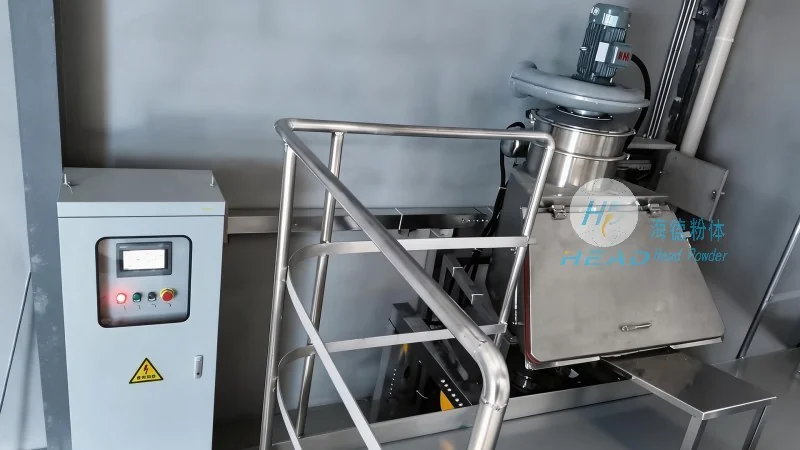
In another working scenario, the focus is on the pharmaceutical or food processing industries, where the material is used as an ingredient in various products. In such cases, the conveying system must adhere to stringent hygiene and contamination control standards. The characteristics of this scenario emphasize the importance of clean-in-place (CIP) capabilities, material separation efficiency, and the prevention of cross-contamination. The system design incorporates features like stainless steel construction, sealed components, and advanced filtration to maintain product purity. Additionally, the control systems are equipped with sensors and monitoring tools to ensure that the conveying process is within safe and regulatory parameters.
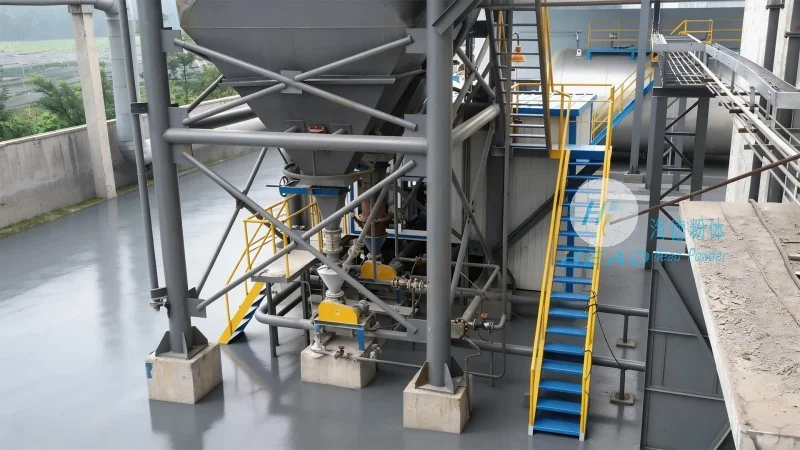
The effectiveness of a pneumatic conveying system for heptahydrate magnesium sulfate depends on the integration of several key components. These include the feed hopper, which controls the material flow into the system, the air compressor or vacuum pump that provides the necessary pressure or suction, and the conveying pipeline that transports the material. The choice of components is influenced by factors such as the material's properties, the required conveying distance, and the desired throughput. For example, in long-distance conveying applications, a positive pressure system may be preferred to maintain material suspension and prevent blockages. Conversely, a vacuum system is often used for shorter distances or when the material needs to be collected from multiple points.
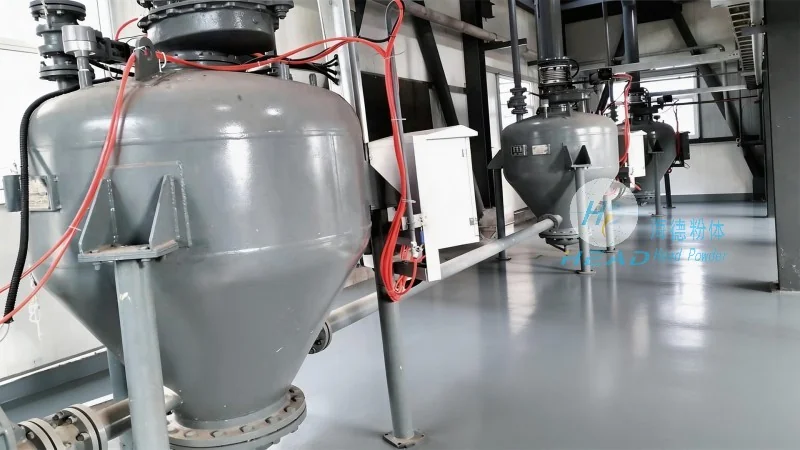
Operational considerations also play a vital role in the successful implementation of pneumatic conveying. Regular maintenance and monitoring are essential to prevent system failures and ensure consistent performance. This includes checking for air leaks, cleaning filters, and inspecting the condition of the pipeline and components. The use of appropriate materials for the construction of the conveying system, such as corrosion-resistant metals, is crucial when handling heptahydrate magnesium sulfate, which may have acidic or moisture-related properties that could affect equipment longevity. Additionally, the control system must be capable of adjusting the air flow and pressure in real-time to respond to changes in material feed rate or pipeline conditions, ensuring smooth and efficient operation.
Pneumatic conveying of heptahydrate magnesium sulfate is a sophisticated and effective method for material handling, offering advantages such as reduced equipment wear, improved safety, and the ability to handle a wide range of material characteristics. The principles and working scenario characteristics discussed in this article highlight the importance of understanding the material's properties and the specific requirements of the application when designing and implementing a pneumatic conveying system. By adhering to best practices and leveraging the expertise of companies like Shandong HeadPowder Engineering Co., Ltd., industries can achieve efficient and reliable transportation of heptahydrate magnesium sulfate, supporting their operational goals and maintaining high standards of product quality and safety.

 Shandong Headpowder Engineering Co., Ltd.
 156-6277-7102(Manager Zhang)
  0531-83386006
  Zhangqiu District, Jinan City, Shandong Province, China
telephone
WeChatconsult
top