With more than 10‑year industry experience, Shandong Headpowder delivers full‑service pneumatic‑conveying systems and blowers, undertaking nationwide turn‑key powder‑handling projects.
When it comes to industrial material handling, the efficiency and reliability of conveying systems are paramount. One innovative solution that has gained traction in various sectors is the foam particle material conveying system. This technology represents a significant advancement in how bulk materials are transported, offering unique advantages over traditional methods. Understanding what this system entails and its underlying design principles is crucial for industries seeking to optimize their material handling processes.
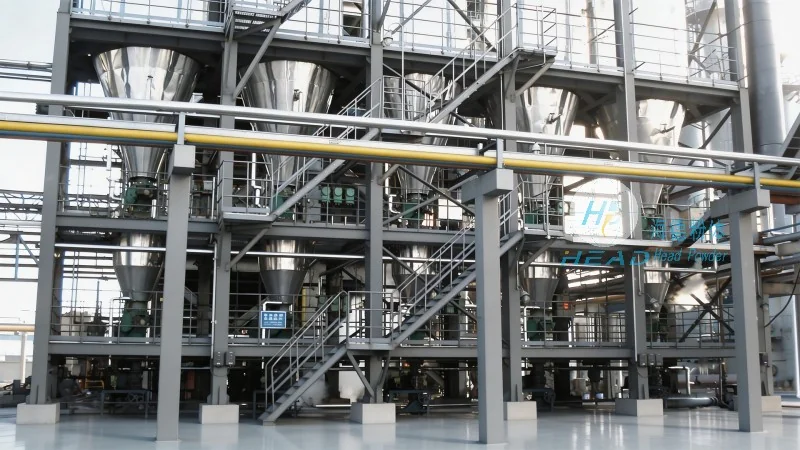
A foam particle material conveying system is a specialized type of equipment designed to transport granular or particulate materials using a foam-based medium. Unlike conventional systems that rely on solid or liquid conveyors, this technology utilizes a mixture of air and liquid to create a stable foam that acts as the transport medium. The foam, with its low density and high fluidity, allows for the efficient and gentle movement of particles, minimizing product degradation and ensuring consistent flow rates. This system is particularly beneficial for handling delicate or sensitive materials that are prone to breakage or contamination during traditional conveying processes.
The core of a foam particle material conveying system consists of several key components that work in tandem to achieve effective material transport. The primary components include a foam generator, a material hopper, a conveying pipe, and a control unit. The foam generator is responsible for producing the foam by mixing air with a liquid carrier, typically water or a specialized solution. This foam is then introduced into the conveying pipe, where it flows alongside the material to be transported. As the foam moves through the pipe, it carries the particles along with it, creating a uniform mixture that is propelled by the pressure and flow dynamics of the foam.
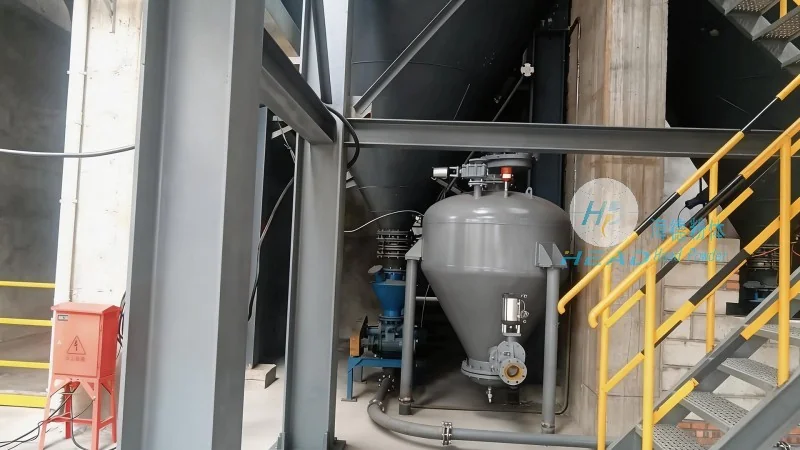
The design principle revolves around the principle of fluid dynamics and the behavior of foam. The foam acts as a carrier medium that reduces the friction between the particles and the pipe walls, thereby minimizing wear and tear on both the material and the equipment. Additionally, the low density of the foam reduces the overall energy consumption required for material transport, making it an energy-efficient solution. The system is also designed to maintain a consistent foam-to-particle ratio, ensuring optimal conveying performance and preventing issues such as clogging or uneven distribution.
Implementing a foam particle material conveying system offers numerous advantages for industrial applications. One of the most significant benefits is the reduction in product damage. The gentle, low-impact transport of particles minimizes breakage, crushing, or abrasion, which is especially important for fragile or high-value materials. This leads to higher product quality and reduced waste, ultimately improving the bottom line for manufacturers.
Another key advantage is the enhanced material handling efficiency. The system allows for continuous, uninterrupted material flow, which can increase production throughput and reduce downtime associated with traditional conveying methods. The ability to handle a wide range of particle sizes and densities makes it versatile, suitable for various industries such as food processing, pharmaceuticals, and chemical manufacturing.
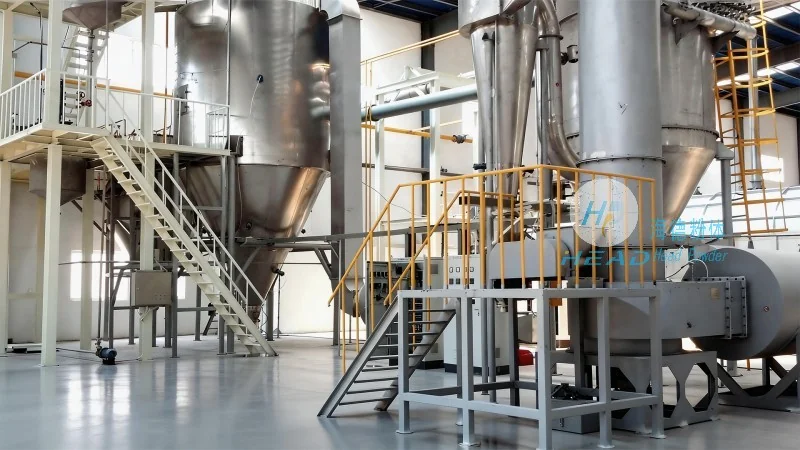
Energy efficiency is also a major consideration. By utilizing foam as the transport medium, the system requires less power compared to pneumatic or mechanical conveyors, resulting in lower operational costs and a smaller environmental footprint. The reduced energy consumption contributes to cost savings and aligns with sustainability goals for many companies.
When designing a foam particle material conveying system, several factors must be considered to ensure optimal performance. The first is the selection of the appropriate foam generator and liquid carrier, which depends on the specific properties of the material being conveyed. For instance, materials with high moisture content may require a different liquid solution to maintain foam stability. The conveying pipe diameter and length are also critical, as they affect the flow rate and pressure requirements of the system.
Customization is another important aspect, as each industrial application has unique requirements. Companies like Shandong HeadPowder Engineering Co., Ltd. specialize in designing and manufacturing tailored foam particle conveying systems to meet the specific needs of their clients. With a focus on precision engineering and customer-centric solutions, HeadPowder provides customized systems that integrate seamlessly into existing production lines. The company's expertise in material handling technology ensures that the design principles are applied effectively, resulting in reliable and efficient conveying solutions.
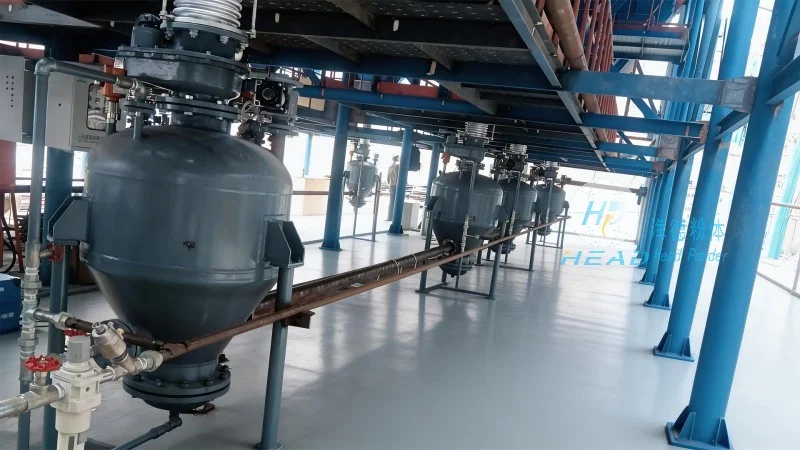
In conclusion, the foam particle material conveying system represents a sophisticated and efficient solution for industrial material handling. By leveraging the properties of foam as a transport medium, this technology offers significant advantages in terms of product protection, energy efficiency, and operational flexibility. Industries that handle delicate or bulk materials can benefit greatly from adopting this system, leading to improved productivity and reduced costs.
Shandong HeadPowder Engineering Co., Ltd., a leading provider in this field, offers comprehensive solutions that incorporate the latest design principles and engineering expertise. With a commitment to quality and customer satisfaction, HeadPowder ensures that their foam particle conveying systems are tailored to meet the specific demands of each application, providing reliable and durable equipment for long-term use. The company's presence in China, specifically in Shandong, positions it as a trusted partner for industries seeking to enhance their material handling capabilities.

 Shandong Headpowder Engineering Co., Ltd.
 156-6277-7102(Manager Zhang)
  0531-83386006
  Zhangqiu District, Jinan City, Shandong Province, China
telephone
WeChatconsult
top