With more than 10‑year industry experience, Shandong Headpowder delivers full‑service pneumatic‑conveying systems and blowers, undertaking nationwide turn‑key powder‑handling projects.
Wheat starch material handling systems are specialized industrial solutions designed to efficiently transport and manage wheat starch, a key ingredient in various food and industrial applications. These systems are crucial for ensuring smooth operations in processing facilities, where the consistent and safe movement of raw materials is essential for productivity and quality control. Shandong HeadPowder Engineering Co., Ltd., a leading provider of such systems, specializes in designing and manufacturing equipment tailored to the unique needs of wheat starch processing. The company's expertise lies in creating customized solutions that enhance operational efficiency and product quality.
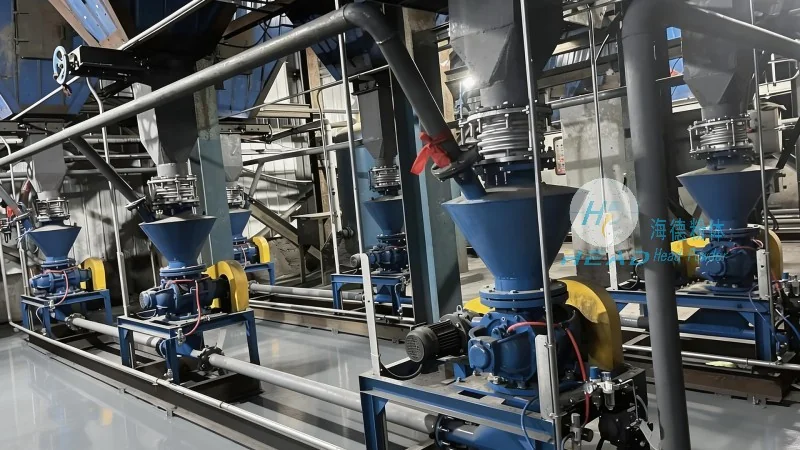
The core components of a wheat starch material handling system typically include feeders, conveyors, storage silos, and control systems. Feeders are responsible for uniformly delivering wheat starch from storage bins to the processing line, ensuring a steady flow without overloading or underfeeding. Conveyors, such as belt conveyors or screw conveyors, transport the material through the system, often elevating or moving it horizontally to reach different processing stages. Storage silos are used to store large quantities of wheat starch, providing a buffer to maintain consistent supply and protect the material from environmental factors like moisture and contamination. Control systems, including sensors and automation equipment, monitor and regulate the entire process, ensuring that each component operates within optimal parameters. Each component plays a vital role in maintaining the system's efficiency and reliability.
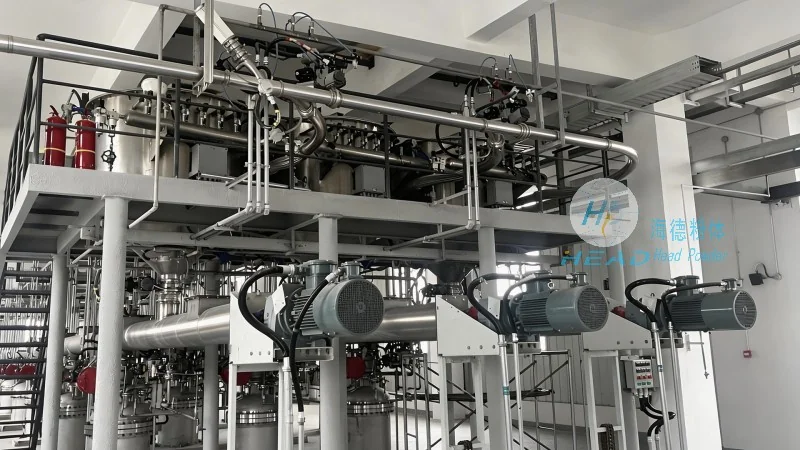
The design principles of wheat starch material handling systems are centered on maximizing efficiency, minimizing downtime, and ensuring product integrity. One of the primary design considerations is the material's physical properties, such as its bulk density, flowability, and tendency to caking or bridging. Wheat starch, being a fine powder, can be prone to these issues, which can lead to blockages and system failures. Therefore, the system design incorporates features like aeration, vibration, and anti-caking agents to maintain material flowability. Another critical principle is the use of gentle handling to prevent product degradation. Abrasive or high-impact equipment can damage the starch particles, affecting their quality and performance in downstream applications. The system design often includes smooth surfaces, low-friction components, and controlled speeds to minimize mechanical stress on the material. Additionally, the system is designed for easy maintenance and cleaning, as hygiene is paramount in food processing applications. Regular cleaning and maintenance schedules are integrated into the design to prevent contamination and ensure compliance with industry standards.
The flow of wheat starch through the material handling system is carefully planned to align with the overall processing workflow. The system typically starts with the storage of raw wheat starch in silos, which are equipped with level sensors to monitor inventory levels. When the starch level drops below a certain threshold, an alarm triggers the need for replenishment. The material is then transferred from the silos to the feeder using a conveyor system, which may include a hopper to regulate the flow rate. The feeder ensures a consistent feed rate to the processing equipment, such as a grinder or dryer, where the starch is further processed. The system may also include intermediate storage bins or surge hoppers to accommodate fluctuations in production demand, providing a buffer to maintain steady operation. The integration of the material handling system with other processing equipment is seamless, with control systems coordinating the flow of material between each stage. This integration ensures that the entire process operates as a cohesive unit, minimizing bottlenecks and maximizing throughput.
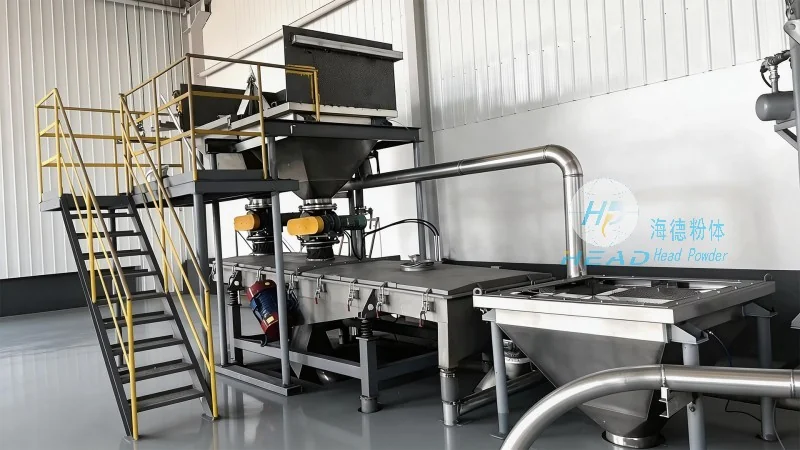
Implementing a well-designed wheat starch material handling system offers numerous advantages for processing facilities. Firstly, it enhances operational efficiency by ensuring a continuous and reliable supply of raw material. The consistent flow of wheat starch reduces downtime caused by material shortages or blockages, leading to higher production output. Secondly, it improves product quality by maintaining the integrity of the starch particles. Gentle handling and controlled processing conditions prevent degradation, ensuring that the final product meets the required specifications for food or industrial applications. Thirdly, the system enhances safety by reducing the risk of accidents associated with manual handling of bulk materials. Automated systems minimize human exposure to dust and potential hazards, creating a safer working environment. Additionally, the system improves cost-effectiveness by optimizing material usage and reducing waste. By preventing material loss due to blockages or overfeeding, the system helps in lowering operational costs. Finally, the system contributes to regulatory compliance by maintaining hygiene and preventing contamination, which is crucial for food processing facilities. The design incorporates features that meet industry standards and regulations, ensuring that the facility operates within legal and safety frameworks.

 Shandong Headpowder Engineering Co., Ltd.
 156-6277-7102(Manager Zhang)
  0531-83386006
  Zhangqiu District, Jinan City, Shandong Province, China
telephone
WeChatconsult
top