With more than 10‑year industry experience, Shandong Headpowder delivers full‑service pneumatic‑conveying systems and blowers, undertaking nationwide turn‑key powder‑handling projects.
Pneumatic conveying is a sophisticated method for transporting bulk materials such as peanut kernels through a closed pipeline system utilizing air as the primary conveying medium. This technology has become increasingly popular in industrial applications due to its ability to handle delicate or sensitive materials without causing damage, making it particularly suitable for food processing industries where product integrity is paramount. Unlike mechanical conveyors that rely on belts or buckets, pneumatic systems use air pressure or vacuum to move the material, reducing the risk of contamination and ensuring a clean, hygienic transfer process. For peanut kernels, which are often used in snacks, oil extraction, and other food products, maintaining their quality during handling is critical, and pneumatic conveying addresses this need effectively.
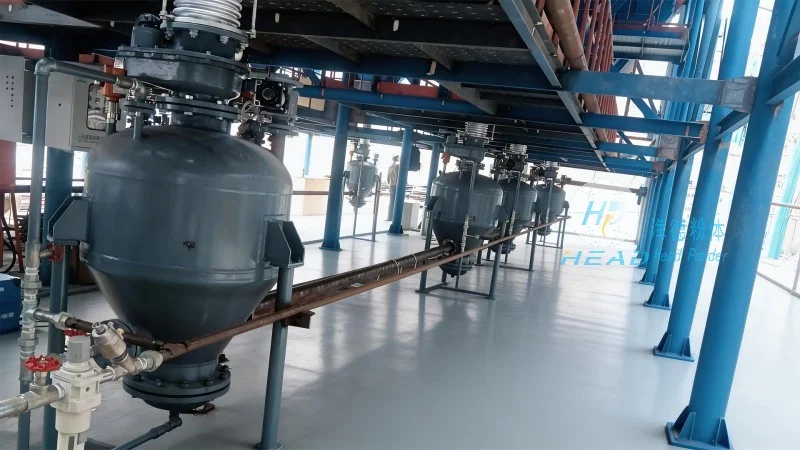
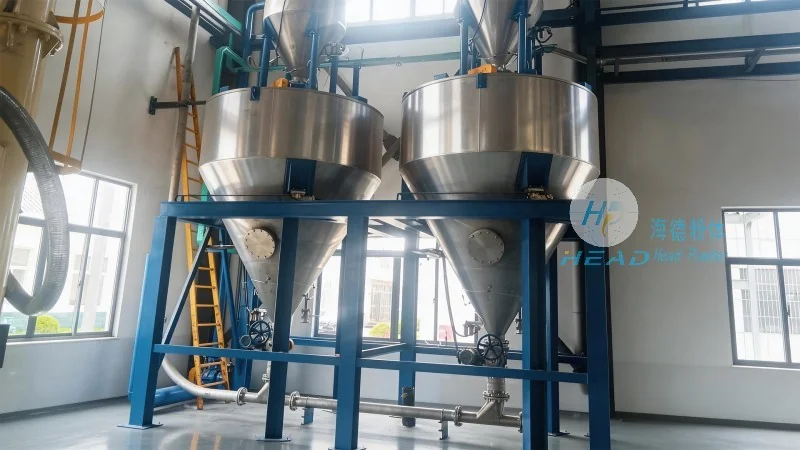
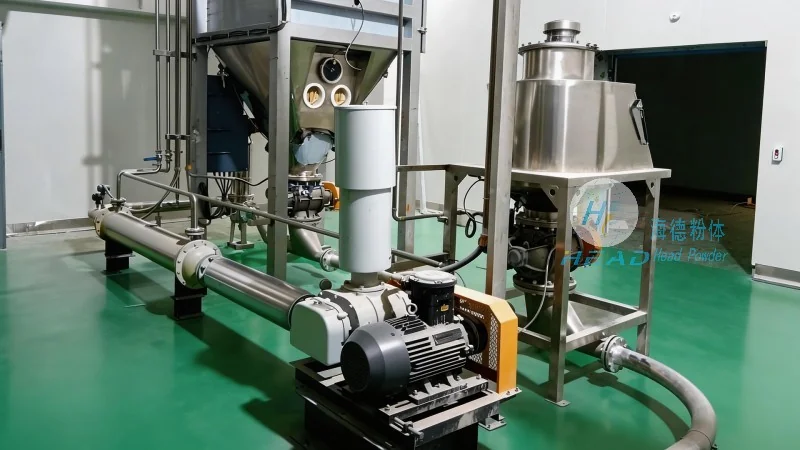
The fundamental principle behind pneumatic conveying for peanut kernels revolves around creating a pressure differential within the conveying pipeline. In pressure systems, a blower or compressor generates high-pressure air that is introduced into the pipeline at the source end. This pressurized air then carries the peanut kernels forward, with the material being suspended and transported along the pipeline. The velocity of the air is carefully controlled to ensure that the peanut kernels are fully entrained without causing excessive wear on the system components. In contrast, vacuum systems operate by creating a low-pressure environment at the receiving end, which draws the material from the source through the pipeline. The air flow in vacuum systems is typically lower than in pressure systems, making them more suitable for shorter distances or when the material is less dense. The choice between pressure and vacuum systems depends on several factors, including the distance between the source and destination, the volume of peanut kernels to be conveyed, and the specific characteristics of the material, such as size, shape, and moisture content. For peanut kernels, which are relatively light and have a consistent size, both systems can be effective, but pressure systems are often preferred for longer distances due to their higher conveying capacity.

The application of pneumatic conveying in peanut kernel processing environments exhibits several key characteristics that enhance operational efficiency and product quality. One notable characteristic is the system's ability to handle materials with high moisture content or sticky properties, which can lead to blockages in traditional mechanical conveyors. The air flow in the pneumatic system helps to break up clumps and maintain a consistent flow of peanut kernels, preventing clogs and ensuring uninterrupted production. Another important characteristic is the enclosed pipeline design, which minimizes dust and contamination, a critical factor in food processing facilities where hygiene standards are strictly enforced. The system's flexibility in layout also allows for easy integration with other processing equipment, such as cleaning, sorting, and packaging machines. This integration enables a seamless flow of peanut kernels from the source to the final product, reducing manual handling and associated risks. Additionally, the ability to operate at different pressure levels provides adaptability to varying production loads, ensuring consistent performance even during peak periods. For example, in a peanut kernel processing plant, the pneumatic conveying system can be adjusted to handle increased volumes during harvest seasons, maintaining a steady supply of raw material to the processing line.
Shandong HeadPowder Engineering Co., Ltd., operating under the brand name HeadPowder, is a prominent manufacturer specializing in the design, development, and production of pneumatic conveying systems and related industrial equipment. With a strong emphasis on innovation and customer-centric solutions, HeadPowder serves a wide range of industries, including food processing, pharmaceuticals, and chemicals. The company's headquarters is situated in Shandong, China, where it has built a comprehensive research and development center focused on advancing material handling technologies tailored to the unique requirements of its clients. HeadPowder's commitment to quality and reliability has established it as a trusted partner for businesses seeking efficient and durable conveying solutions. The company's team of engineers and technicians works closely with clients to understand their specific needs and provide customized solutions that enhance operational efficiency and product quality. By leveraging advanced manufacturing techniques and rigorous quality control processes, HeadPowder ensures that its pneumatic conveying systems meet the highest industry standards, providing long-term value and performance for its customers.

 Shandong Headpowder Engineering Co., Ltd.
 156-6277-7102(Manager Zhang)
  0531-83386006
  Zhangqiu District, Jinan City, Shandong Province, China
telephone
WeChatconsult
top