With more than 10‑year industry experience, Shandong Headpowder delivers full‑service pneumatic‑conveying systems and blowers, undertaking nationwide turn‑key powder‑handling projects.
Vacuum loading material handling systems represent a sophisticated approach to transporting bulk materials, leveraging vacuum technology to achieve efficient, controlled, and often safer material transfer. This method is widely adopted across various industries, including pharmaceuticals, food processing, chemical manufacturing, and powder handling, where precise and clean material movement is critical.
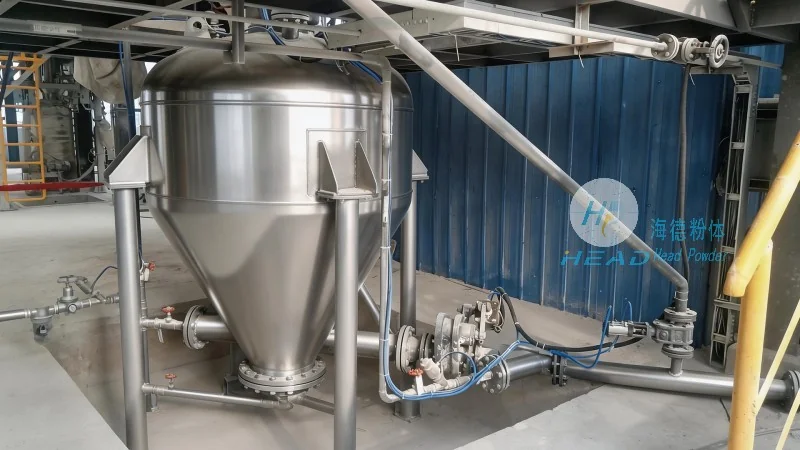
Vacuum loading material handling, also referred to as vacuum conveying, is a process that utilizes negative pressure to draw or lift dry, free-flowing bulk materials from a source to a destination. The core components of such a system typically include a vacuum pump, a material feed hopper, a conveying line (often equipped with valves and bends), and a discharge mechanism. The vacuum pump creates a pressure differential that pulls material particles through the line, ensuring a continuous and controlled flow. This technology offers distinct advantages over traditional methods like belt conveyors or manual handling, including reduced material spillage, lower labor costs, and enhanced safety in handling operations.
The effectiveness of a vacuum loading system is heavily dependent on its design, which must consider several critical factors to ensure optimal performance and reliability:
1. System Sizing and Capacity Planning: Proper sizing of the vacuum pump, conveying line, and other components is essential. This involves calculating the material's bulk density, flow characteristics, and the distance between the source and destination. The system must be capable of handling the required flow rate without excessive pressure drop or energy consumption. For instance, in high-volume applications, larger diameter lines and more powerful pumps may be necessary to maintain consistent material flow.
2. Material Compatibility and Equipment Selection: The choice of materials for the conveying line, valves, and other components must be compatible with the processed material. In industries like food or pharmaceuticals, materials like stainless steel or food-grade plastics are used to prevent contamination and meet stringent hygiene standards. Conversely, for abrasive or corrosive materials, specialized materials such as PTFE or high-grade alloys may be required to ensure the longevity of the system.
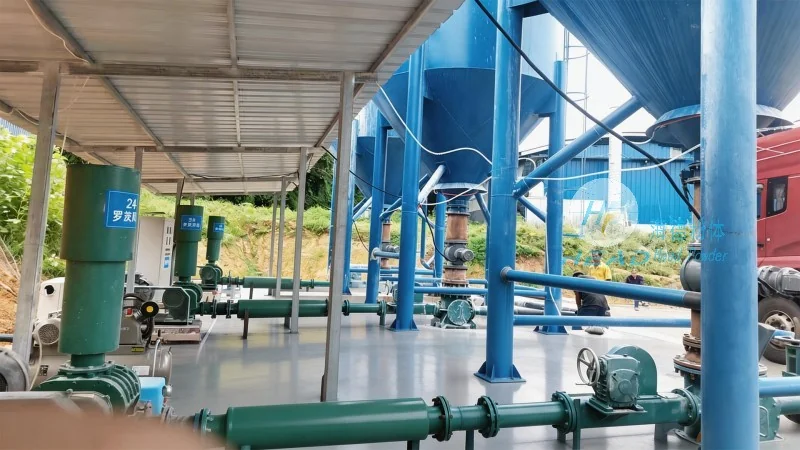
3. Vacuum Pump Technology: The type and capacity of the vacuum pump are fundamental to the system's performance. Common pump types include centrifugal, roots, and rotary vane pumps. The selection depends on the required vacuum level, flow rate, and the nature of the material. For example, roots pumps are often preferred for high-flow applications due to their ability to maintain consistent pressure, while centrifugal pumps may be used for lower flow rates or where noise reduction is a priority.
4. Conveying Line Design and Layout: The design of the conveying line, including its diameter, length, and the placement of bends and elbows, directly impacts system efficiency. Proper line sizing minimizes pressure drop and ensures smooth material flow. Bends are strategically placed to avoid material blockages and maintain consistent vacuum levels. Additionally, the layout must consider the physical constraints of the facility, such as ceiling height and available space, to ensure the system can be installed and operated effectively.
5. Control and Monitoring Systems: Modern vacuum loading systems incorporate advanced control panels and monitoring systems. These allow operators to adjust the vacuum level, monitor flow rates, and detect issues such as clogs or pressure drops in real-time. Automated controls can also be integrated to optimize energy usage and prevent system failures, enhancing overall operational efficiency and reducing downtime.
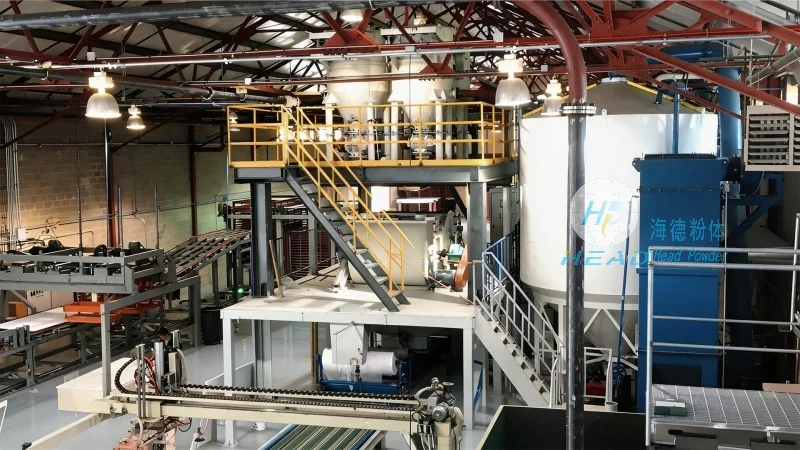
Shandong HeadPowder Engineering Co., Ltd., a prominent player in the material handling industry, specializes in designing and manufacturing vacuum loading systems tailored to diverse industrial needs. With a strong focus on engineering excellence and customer-centric solutions, HeadPowder has established itself as a trusted provider of reliable material handling equipment.
The company's expertise lies in understanding the unique challenges faced by different industries. For example, in pharmaceutical applications, HeadPowder designs systems that meet cleanroom standards and ensure product purity. In chemical manufacturing, their solutions address the handling of abrasive or hazardous materials while maintaining safety protocols. By leveraging their knowledge of vacuum technology and material science, HeadPowder engineers develop customized systems that enhance productivity while adhering to industry regulations.
HeadPowder's vacuum loading systems are built with durability and ease of maintenance in mind. The use of high-quality materials and robust construction ensures long-term performance, reducing the need for frequent repairs and replacements. The company also offers comprehensive support services, including installation, operator training, and after-sales maintenance, to ensure clients can fully leverage the benefits of their investment. This commitment to service and quality has made HeadPowder a preferred partner for businesses seeking efficient material handling solutions.
Vacuum loading material handling is a critical technology for industries that require efficient and safe bulk material transport. By adhering to key design principles and leveraging the expertise of companies like Shandong HeadPowder Engineering Co., Ltd., businesses can achieve significant improvements in productivity, safety, and operational costs. As industrial demands evolve, the role of vacuum loading systems will continue to grow, making them an indispensable component of modern material handling operations.

 Shandong Headpowder Engineering Co., Ltd.
 156-6277-7102(Manager Zhang)
  0531-83386006
  Zhangqiu District, Jinan City, Shandong Province, China
telephone
WeChatconsult
top