With more than 10‑year industry experience, Shandong Headpowder delivers full‑service pneumatic‑conveying systems and blowers, undertaking nationwide turn‑key powder‑handling projects.
Protein powder, a critical ingredient in the food and supplement sectors, demands efficient and hygienic handling to preserve quality and ensure operational reliability. Pneumatic conveying has become a preferred method for transporting protein powders, offering advantages such as reduced contamination, minimal product degradation, and enhanced safety compared to traditional mechanical systems. This article delves into the core principles of protein powder pneumatic conveying and examines the distinct working scene characteristics that define its application across various industrial settings.
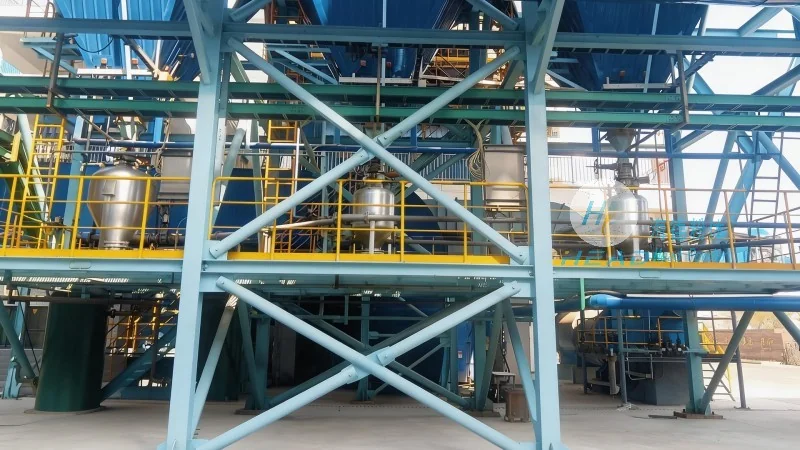
Pneumatic conveying operates on the principle of using air or gas to move bulk materials like protein powders through a pipeline network. Two primary modes exist: positive pressure and negative pressure. Positive pressure systems force air and material through the pipeline using a blower or compressor, while negative pressure systems create a vacuum to draw material into the system. For protein powders, positive pressure is often favored due to its ability to handle abrasive materials and prevent external air contamination. The system’s foundation includes a hopper for material storage, a conveyor line for transport, and a discharge mechanism to deliver the powder to its destination.
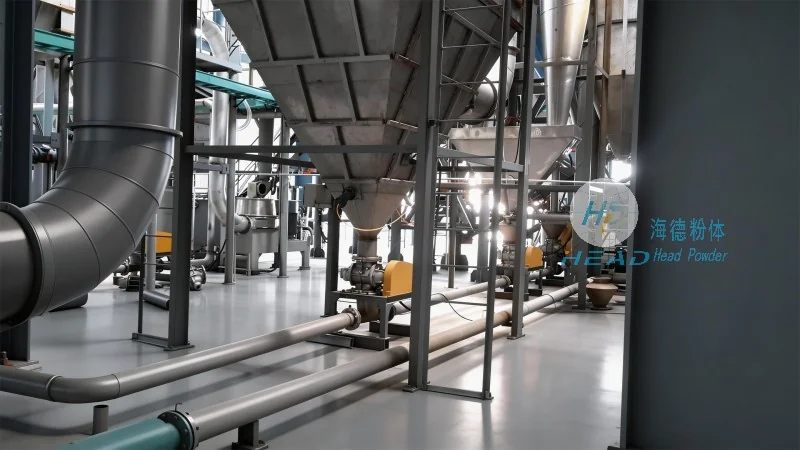
The effectiveness of a protein powder pneumatic conveying system relies on several essential components. The hopper serves as the storage and feeding unit, ensuring a consistent material flow into the conveyor line. The conveyor line, typically constructed from stainless steel or other corrosion-resistant materials, is designed to withstand the abrasive nature of protein powders. A blower or compressor provides the necessary air pressure to move the material, while a filter system captures fine particles to maintain air quality. Additionally, a control system manages flow rate and pressure, preventing system overload and ensuring optimal performance. These components work in unison to create a seamless and efficient transport process.
The working scene characteristics of protein powder pneumatic conveying systems are tailored to meet diverse industrial needs. In large-scale production facilities, these systems are integrated into automated production lines, handling high volumes of protein powder with minimal human intervention. They operate continuously to supply raw materials to downstream processing equipment. For smaller-scale operations, such as research labs or small manufacturing plants, the systems are compact and flexible, easily integrated into existing workflows. The versatility of pneumatic conveying also suits applications in food processing, pharmaceuticals, and animal feed production. In each scenario, maintaining product integrity and operational efficiency is paramount.
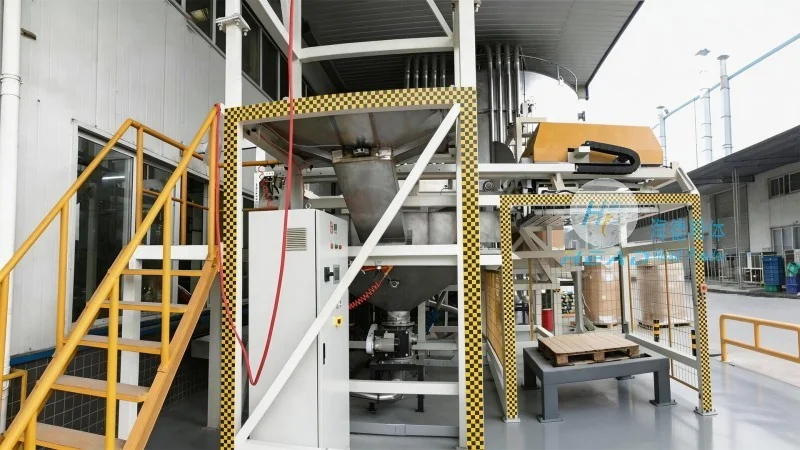
Protein powder pneumatic conveying is a sophisticated technology that combines engineering principles with practical application to meet modern industrial demands. By understanding the fundamental principles and working scene characteristics, businesses can optimize material handling, reduce costs, and enhance product quality. As the demand for protein powders grows, the importance of efficient conveying systems will increase, making pneumatic conveying a critical component in production and distribution success. Shandong HeadPowder Engineering Co., Ltd., based in Shandong, China, specializes in designing and manufacturing advanced pneumatic conveying systems tailored to protein powder applications, ensuring clients receive effective and durable solutions.

 Shandong Headpowder Engineering Co., Ltd.
 156-6277-7102(Manager Zhang)
  0531-83386006
  Zhangqiu District, Jinan City, Shandong Province, China
telephone
WeChatconsult
top