With more than 10‑year industry experience, Shandong Headpowder delivers full‑service pneumatic‑conveying systems and blowers, undertaking nationwide turn‑key powder‑handling projects.
Continuous material handling represents a vital aspect of modern industrial operations, facilitating the seamless movement of goods and materials from one stage of production to another. This method is particularly effective in environments where consistent and uninterrupted flow is essential, such as in manufacturing plants, distribution centers, and assembly lines. By eliminating the need for manual intervention at each step, continuous material handling systems enhance operational efficiency, reduce labor costs, and minimize the risk of errors or delays.
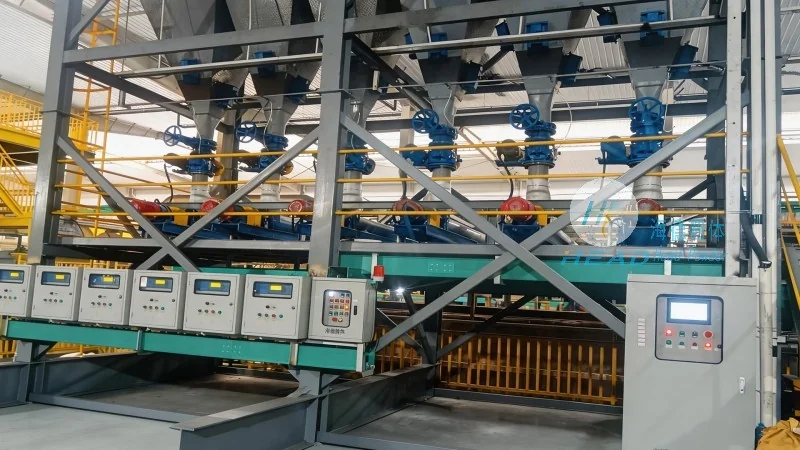
HeadPowder, a leading engineering firm based in Shandong, China, specializes in the design, development, and implementation of advanced material handling solutions. With years of experience in the industry, HeadPowder has built a reputation for delivering high-quality, customized systems that meet the unique requirements of its clients. The company's commitment to innovation and customer satisfaction has positioned it as a trusted partner in the material handling sector, providing comprehensive support from initial consultation to long-term maintenance.
The successful implementation of continuous material handling systems relies on adherence to several fundamental design principles. These principles guide the selection and integration of equipment to ensure optimal performance and reliability. First, the system must be tailored to the specific characteristics of the materials being handled, including size, weight, and shape. This involves choosing appropriate conveyor types, such as belt conveyors, chain conveyors, or roller conveyors, based on the load requirements. Second, the layout of the system should be optimized to minimize the overall distance materials travel, reducing energy consumption and operational costs. This often involves designing a straight-line or curved path that aligns with the existing workflow. Third, the system's speed and capacity must be matched to the production rate, ensuring that it can handle the required volume without bottlenecks. Additionally, safety considerations, such as emergency stop mechanisms and protective guards, are critical to prevent accidents and ensure compliance with industry standards.
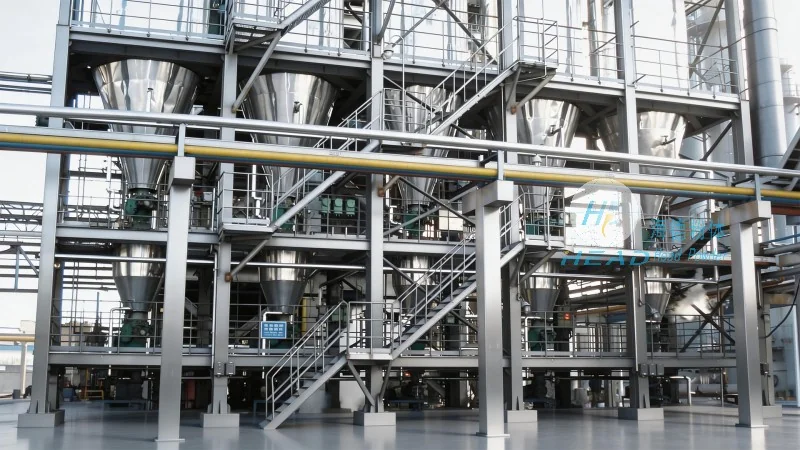
Continuous material handling systems typically consist of several key components that work in harmony to achieve efficient material movement. The primary component is the conveyor system, which can be categorized into various types based on the application. Belt conveyors, for example, use a continuous belt to transport materials, making them suitable for a wide range of products, from small parts to large packages. Chain conveyors, on the other hand, utilize a chain with attached carriers to move heavier loads, such as pallets or bulk materials. Roller conveyors are another common type, using a series of rollers to support and move items, ideal for lightweight products that can be placed on them. Additionally, auxiliary components like feeders, sorters, and accumulation tables are often integrated to enhance the system's functionality. These components help in directing materials, sorting them according to size or weight, and temporarily storing them before further processing. The integration of these components ensures a smooth and continuous flow, minimizing downtime and maximizing productivity.
Adopting continuous material handling systems offers numerous benefits that contribute to improved operational performance and cost savings. One of the most significant advantages is increased efficiency, as the system eliminates the need for manual handling and reduces the time required to move materials. This leads to faster production cycles and higher output. Additionally, continuous systems reduce labor costs by automating material movement, allowing employees to focus on more value-added tasks. The reduction in manual handling also minimizes the risk of workplace injuries, enhancing workplace safety. Furthermore, these systems improve product quality by reducing the likelihood of damage or misplacement during transport. By maintaining a consistent flow, the system ensures that materials are handled gently, preventing scratches or other defects. Another key benefit is the ability to scale operations easily. As production needs grow, continuous material handling systems can be expanded or modified to accommodate increased volumes without significant disruptions. This flexibility makes them ideal for businesses that experience fluctuations in demand.
Continuous material handling systems are widely used across various industries, each with specific requirements tailored to their operations. In manufacturing, these systems are crucial for transporting raw materials to production lines and finished products to packaging areas. The integration of conveyors with assembly lines ensures a seamless flow of components, reducing bottlenecks and improving overall production speed. In logistics and warehousing, continuous material handling is essential for managing inventory and facilitating order fulfillment. Conveyor systems are used to move goods from storage to shipping areas, streamlining the order picking and packing processes. This enhances the efficiency of distribution centers, allowing them to handle higher volumes of orders. In the food and beverage industry, continuous material handling systems are used for processing and packaging, ensuring that products are moved safely and hygienically. The use of stainless steel and food-grade materials in these systems helps maintain compliance with health regulations. Similarly, in the pharmaceutical industry, continuous material handling is critical for transporting sensitive products, ensuring that they are handled under controlled conditions to prevent contamination. The precision and reliability of these systems are vital in maintaining product integrity and meeting regulatory standards.
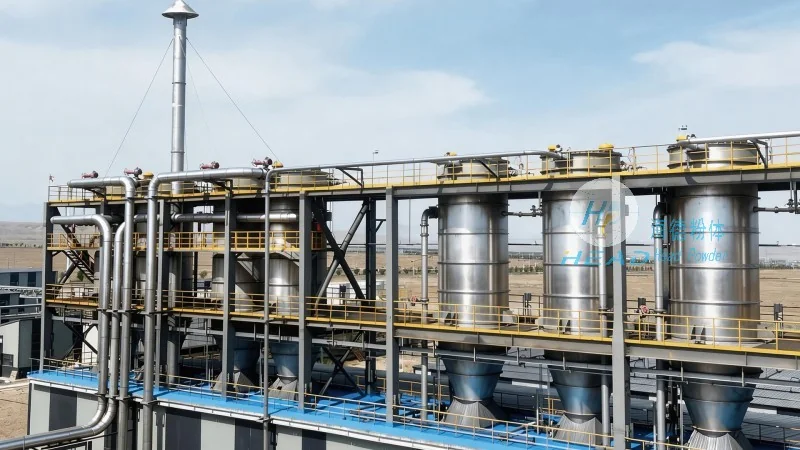
Designing an effective continuous material handling system requires careful consideration of several factors to ensure it meets the operational needs of the business. The first consideration is the type of materials being handled, as different materials have varying characteristics that affect the choice of equipment. For example, heavy and bulky items may require a chain conveyor, while lightweight and delicate items may be better suited for a belt conveyor. The system's layout is another critical factor, as it must align with the existing production or warehouse layout to minimize the need for reconfiguration. The integration with other systems, such as automation or robotics, is also important, as it allows for a more integrated and efficient workflow. Additionally, the system's capacity and speed must be matched to the production rate to avoid bottlenecks. This involves calculating the required throughput and selecting equipment that can handle the volume without exceeding its limits. Energy efficiency is another key consideration, as the system should operate with minimal energy consumption to reduce operational costs. This can be achieved through the use of energy-efficient motors and optimized conveyor designs. Finally, maintenance and reliability are crucial factors. The system should be designed with easy access to components for maintenance, reducing downtime and ensuring long-term performance.
Continuous material handling systems play a pivotal role in modern industrial operations, offering significant advantages in efficiency, productivity, and cost reduction. By understanding the design principles and components of these systems, businesses can optimize their operations and stay competitive in the market. As technology advances, the future of continuous material handling is likely to involve more automation and integration with other systems, such as the Internet of Things (IoT) and artificial intelligence. These advancements will enable real-time monitoring and control of material handling processes, further enhancing efficiency and reducing downtime. However, the core principles of continuous material handling will remain relevant, as the need for efficient material movement continues to grow in industrial settings. For businesses considering implementing such systems, partnering with experienced engineering firms like Shandong HeadPowder Engineering Co., Ltd. can provide the expertise and support needed to design and implement effective solutions tailored to their specific needs.

 Shandong Headpowder Engineering Co., Ltd.
 156-6277-7102(Manager Zhang)
  0531-83386006
  Zhangqiu District, Jinan City, Shandong Province, China
telephone
WeChatconsult
top