With more than 10‑year industry experience, Shandong Headpowder delivers full‑service pneumatic‑conveying systems and blowers, undertaking nationwide turn‑key powder‑handling projects.
Light calcium gypsum, also known as calcium sulfate dihydrate, is a widely used industrial material in construction and manufacturing. The pneumatic conveying of this material is a critical process for efficient material handling. This article, presented by Shandong HeadPowder Engineering Co., Ltd. (headpowder), explores the principles behind light calcium gypsum pneumatic conveying and highlights the key characteristics of its working scenes, providing insights into the technology's application and operational advantages.
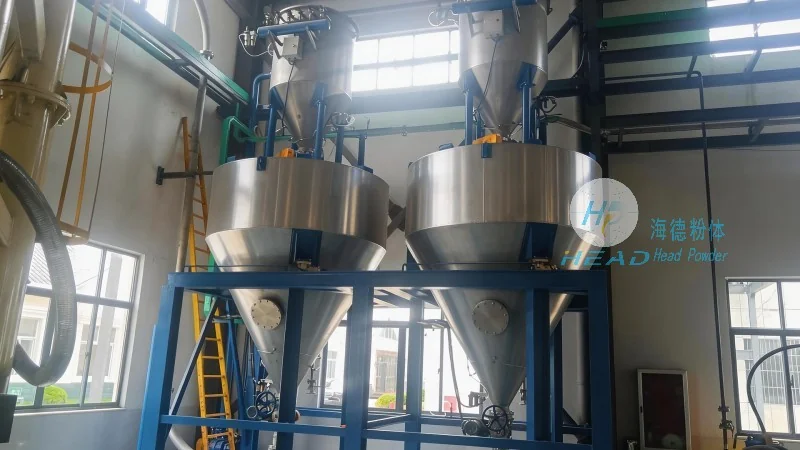
Light calcium gypsum is a fine powder with a specific gravity typically ranging from 2.2 to 2.5. Its handling requires specialized equipment to ensure safe and efficient transport. Pneumatic conveying systems use air as the conveying medium to move the material from one location to another, eliminating the need for mechanical components like belts or buckets. This method is particularly suitable for light calcium gypsum due to its fine particle size and the need to avoid material degradation or contamination.
The fundamental principle of pneumatic conveying is the use of compressed air to create a flow that transports the material particles. The system operates by generating a pressure differential between the inlet and outlet of the conveying line. In a typical system, a blower or compressor supplies high-pressure air into the conveying line, where it mixes with the light calcium gypsum powder. The air flow carries the particles through the pipeline, delivering them to the destination point. The design of the system, including the type of air flow (positive or negative pressure), the pipeline layout, and the equipment used, directly impacts the efficiency and effectiveness of the conveying process.

A light calcium gypsum pneumatic conveying system consists of several essential components that work in tandem to ensure smooth operation. The primary components include a material feeder, a conveying line, a separation system, and a dust collection unit. The material feeder is responsible for feeding the light calcium gypsum into the conveying line at a controlled rate. The conveying line, often made of stainless steel or other corrosion-resistant materials, transports the air and material mixture. The separation system, such as a cyclone or bag filter, separates the material from the air at the destination. Finally, the dust collection unit ensures that any residual dust is captured and disposed of properly, maintaining air quality and compliance with environmental regulations.
The working scene characteristics of light calcium gypsum pneumatic conveying systems are tailored to the specific needs of industrial applications. These systems are commonly used in the production of gypsum board, plaster, and other building materials, as well as in chemical and pharmaceutical industries where fine powders are involved. The key characteristics of these working scenes include high efficiency in material transport, minimal material loss, and the ability to handle large volumes of light calcium gypsum. Additionally, the systems are designed to be flexible, allowing for changes in production rates and material flow without significant modifications. This adaptability makes them suitable for both continuous and batch production processes.
Light calcium gypsum pneumatic conveying offers several advantages over traditional mechanical conveying methods. One of the main benefits is the reduction of material degradation, as the fine particles are not subjected to friction or impact during transport. This helps maintain the quality and consistency of the light calcium gypsum. Another advantage is the elimination of mechanical wear and tear, as there are no moving parts in direct contact with the material. This leads to lower maintenance costs and longer equipment lifespan. Furthermore, pneumatic conveying systems can be integrated with other processes, such as drying or mixing, to create a more streamlined production line. The ability to handle large volumes of material in a compact system also contributes to space efficiency in industrial settings.
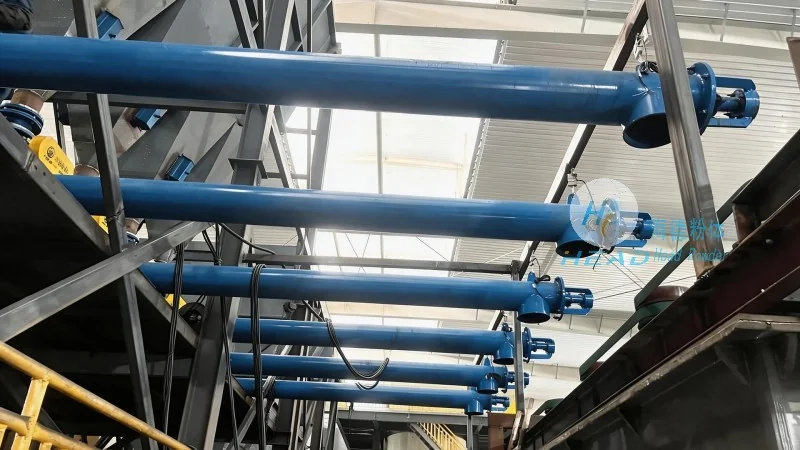
When operating a light calcium gypsum pneumatic conveying system, several considerations are crucial for optimal performance. Proper air pressure and flow rate must be maintained to ensure consistent material transport. The system should be regularly inspected for blockages or leaks, as these can significantly impact efficiency. Additionally, the material feeder should be adjusted to match the production rate, preventing overloading or underloading of the conveying line. Dust control is another critical aspect, as light calcium gypsum is a fine powder that can cause respiratory issues if not properly managed. Implementing effective dust collection and ventilation systems is essential to maintain a safe working environment. Regular maintenance, including cleaning of the conveying line and replacement of filters, is also necessary to prevent system downtime and ensure long-term reliability.
Light calcium gypsum pneumatic conveying is a sophisticated and efficient method for handling fine powders. By understanding the core principles and working scene characteristics, industries can optimize their material transport processes, leading to improved productivity and reduced operational costs. The technology's adaptability and advantages make it a preferred choice for applications involving light calcium gypsum, contributing to the overall efficiency of industrial operations. As the demand for high-quality building materials and fine powders continues to grow, the importance of reliable pneumatic conveying systems will only increase, making them a vital component of modern industrial infrastructure.

 Shandong Headpowder Engineering Co., Ltd.
 156-6277-7102(Manager Zhang)
  0531-83386006
  Zhangqiu District, Jinan City, Shandong Province, China
telephone
WeChatconsult
top