With more than 10‑year industry experience, Shandong Headpowder delivers full‑service pneumatic‑conveying systems and blowers, undertaking nationwide turn‑key powder‑handling projects.
Understanding the principles and operational characteristics of malt pneumatic conveying is crucial for optimizing material handling in the brewing industry. This article explores the fundamental mechanisms behind this technology and highlights key application scenarios where it excels.
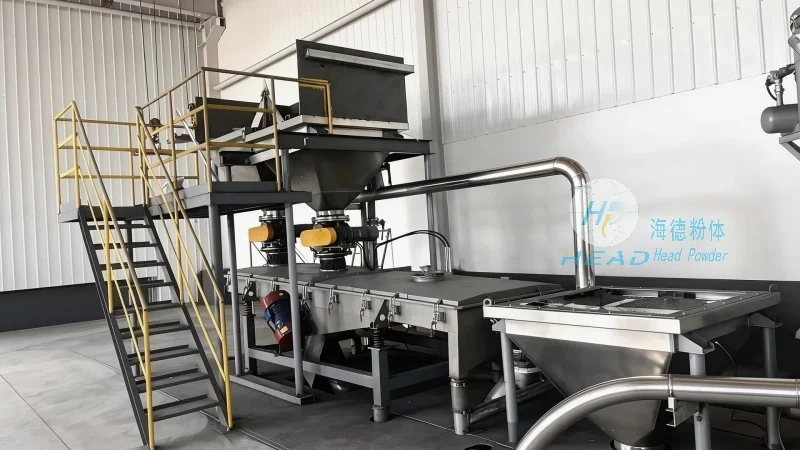
Malt pneumatic conveying is a method of transporting bulk materials, such as malt, using a combination of air and pressure to move the material through a pipeline system. Unlike traditional mechanical conveying systems, which rely on belts, screws, or buckets, pneumatic conveying utilizes air flow to create a pressure differential that propels the material forward. This approach offers several advantages, including reduced equipment wear, lower maintenance costs, and the ability to handle materials that are sensitive to mechanical stress.
The fundamental principle of pneumatic conveying is the creation of a pressure difference between the inlet and outlet of the conveying line. This pressure differential is generated by a blower or compressor, which forces air into the system. As air flows through the pipeline, it picks up and transports the malt particles. The efficiency of this process depends on several factors, including the air velocity, the particle size and density of the malt, and the length and diameter of the conveying line.
There are two primary types of pneumatic conveying systems: dilute-phase and dense-phase. Dilute-phase systems operate at higher air velocities, typically moving material in a suspension of air and particles. Dense-phase systems, on the other hand, operate at lower air velocities, where the material is conveyed in a more compact form, often with a higher concentration of particles. The choice between these systems depends on the specific requirements of the application, such as the distance to be covered and the sensitivity of the malt to handling.
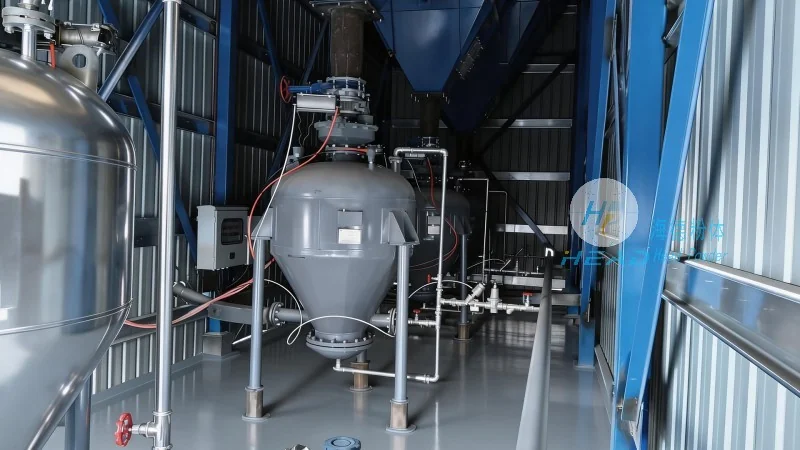
Malt pneumatic conveying is particularly well-suited for applications in the brewing industry where precise and gentle handling of malt is essential. The technology is commonly used in malting plants and breweries for transporting malt from storage silos to milling equipment, or from the mill to the brewhouse. The ability to handle malt without causing excessive breakage or dust generation is a critical advantage in these environments.
One of the main advantages of pneumatic conveying for malt is its ability to maintain the quality of the material. Unlike mechanical systems that can cause friction and abrasion, pneumatic systems minimize particle damage, which is vital for preserving the enzymatic activity and flavor compounds in the malt. This is especially important for high-quality malts used in craft brewing, where the quality of the raw material directly impacts the final product.
Another key characteristic is the flexibility of the system. Pneumatic conveying systems can be easily adapted to different production scales and layouts. They can be configured to handle varying volumes of malt, and the pipeline can be reconfigured to accommodate changes in the production process. This adaptability makes the technology suitable for both small-scale craft breweries and large industrial breweries.
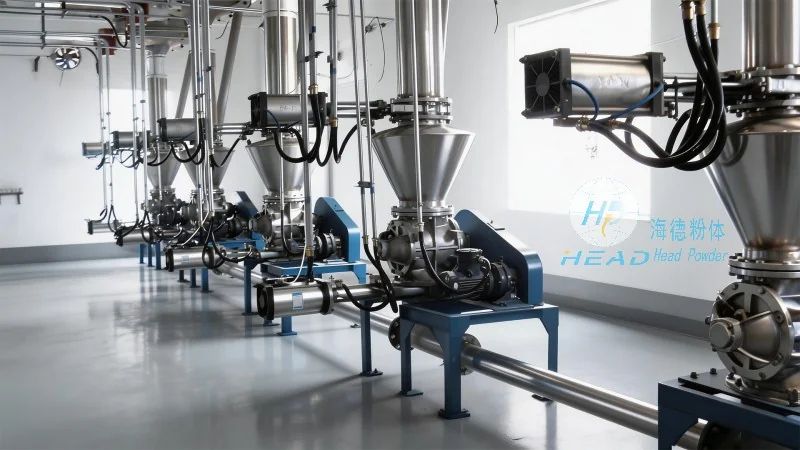
HeadPowder, a leading provider of engineering solutions for the brewing industry, specializes in designing and implementing malt pneumatic conveying systems tailored to the specific needs of their clients. The company's expertise lies in understanding the unique challenges of malt handling and developing solutions that optimize efficiency and material quality.
For example, in a large-scale brewery, a pneumatic conveying system may be used to transport malt from storage silos to the mill, where it is ground into grist. The system can then convey the grist to the brewhouse for mashing. This integrated approach ensures a continuous and efficient flow of materials, reducing downtime and improving overall productivity.
In smaller breweries or microbreweries, the system can be scaled down to handle lower volumes of malt while maintaining the same level of efficiency. The compact design of the pneumatic conveying equipment allows for installation in limited space, making it suitable for facilities with constrained layouts.
Compared to traditional mechanical conveying methods, malt pneumatic conveying offers several distinct advantages. First, it reduces the risk of contamination and cross-contamination, as the system is enclosed and does not require direct human contact with the material. This is particularly important in food processing environments where hygiene is paramount.
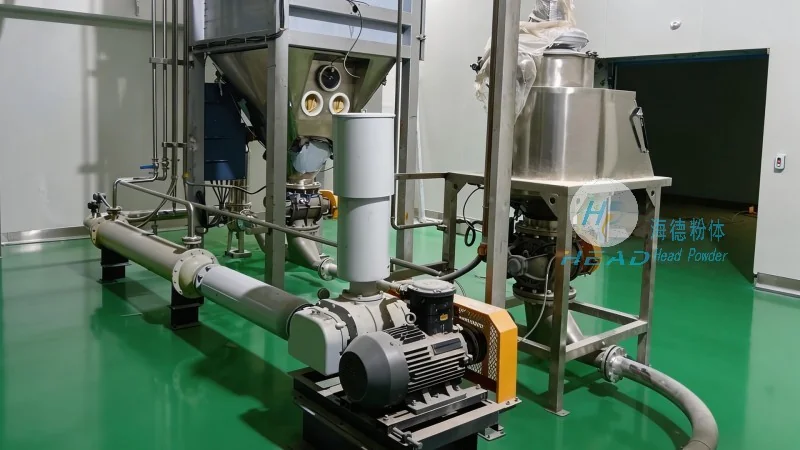
Second, the system is more energy-efficient in many cases. While the initial investment in a pneumatic system may be higher than for a mechanical system, the long-term operational costs are often lower due to reduced maintenance and energy consumption. The ability to adjust the air flow and pressure to match the specific requirements of the application also contributes to energy savings.
Third, the system provides better control over the material flow. The pressure and air velocity can be precisely controlled to ensure consistent and reliable conveying, which is essential for maintaining consistent product quality. This level of control is difficult to achieve with mechanical systems, which are often subject to wear and tear that can affect performance.
Malt pneumatic conveying is a highly effective and efficient method for handling malt in the brewing industry. By understanding the principles behind this technology and leveraging its advantages, breweries can improve their operational efficiency, maintain the quality of their raw materials, and reduce costs. As a leading provider of engineering solutions, Shandong HeadPowder Engineering Co., Ltd. (headpowder) continues to innovate in this field, offering customized solutions that meet the evolving needs of the brewing industry.

 Shandong Headpowder Engineering Co., Ltd.
 156-6277-7102(Manager Zhang)
  0531-83386006
  Zhangqiu District, Jinan City, Shandong Province, China
telephone
WeChatconsult
top