With more than 10‑year industry experience, Shandong Headpowder delivers full‑service pneumatic‑conveying systems and blowers, undertaking nationwide turn‑key powder‑handling projects.
Efficient material handling is a critical factor in the production and processing of lysine, a vital amino acid widely used in animal feed and pharmaceutical industries. Pneumatic conveying systems have emerged as a preferred solution for transporting lysine due to their ability to handle fine powders with minimal product degradation and contamination. This article provides a comprehensive classification and application analysis of lysine pneumatic conveying systems, highlighting the key technologies, operational principles, and practical implementations in industrial settings.
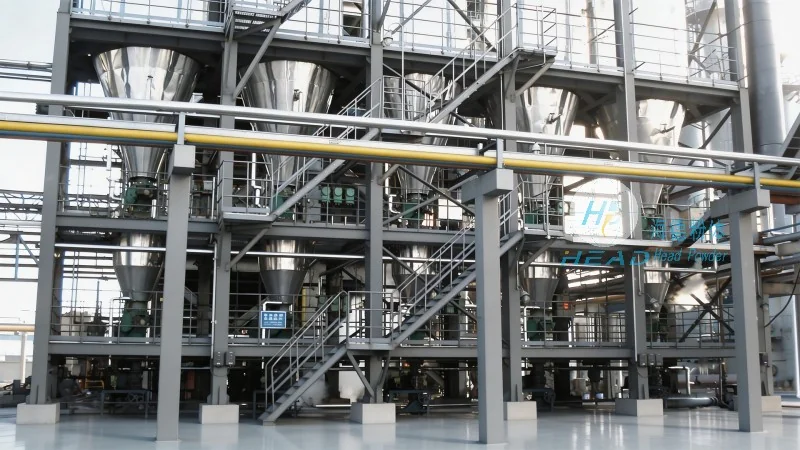
Lysine pneumatic conveying systems can be broadly categorized based on the direction of material flow and the pressure within the system. The primary classifications include:
Regardless of the classification, lysine pneumatic conveying systems typically consist of several core components, including:
The application of lysine pneumatic conveying systems varies based on the production scale, material characteristics, and operational environment. In large-scale lysine manufacturing facilities, these systems are integral to the overall material handling process, ensuring smooth and efficient production flow.
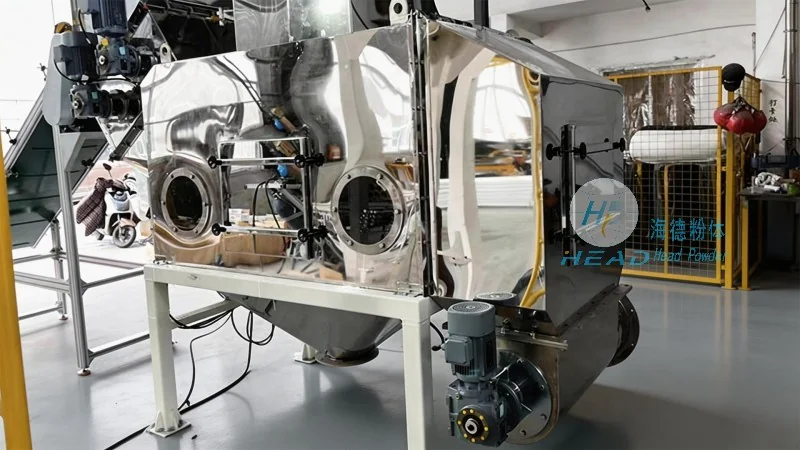
For example, in a lysine production plant, the system may be used to transport raw lysine powder from storage silos to the processing units, or to move finished product from the production line to packaging areas. The choice of system type depends on factors such as the distance between the source and destination, the volume of material to be transported, and the need for gentle handling to prevent agglomeration or degradation of the lysine powder.
In addition to industrial manufacturing, lysine pneumatic conveying systems are also utilized in research and development laboratories, where precise and controlled material transport is essential for experimental processes. The systems' ability to handle fine powders with minimal contamination makes them suitable for applications requiring high purity lysine, such as pharmaceutical formulations.
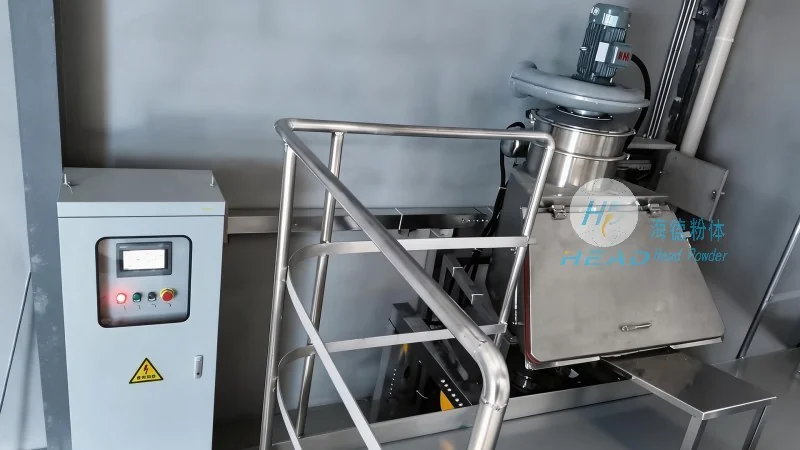
Shandong HeadPowder Engineering Co., Ltd., operating under the brand name headpowder, is a leading provider of specialized engineering solutions for the powder handling industry. With a focus on innovation and quality, the company designs and manufactures customized pneumatic conveying systems tailored to the specific needs of clients in the lysine and other fine powder sectors.
Headpowder's expertise lies in understanding the unique challenges of handling lysine and other sensitive powders, ensuring that their systems are designed to maintain product integrity, minimize energy consumption, and enhance operational efficiency. The company's commitment to customer satisfaction and technical excellence has established it as a trusted partner in the global powder processing industry.
Headquartered in Shandong, China, headpowder leverages its local presence and extensive industry experience to deliver comprehensive solutions that meet the evolving demands of the lysine market. By combining advanced technology with practical application knowledge, the company continues to contribute to the advancement of efficient material handling in the amino acid and related industries.

 Shandong Headpowder Engineering Co., Ltd.
 156-6277-7102(Manager Zhang)
  0531-83386006
  Zhangqiu District, Jinan City, Shandong Province, China
telephone
WeChatconsult
top