With more than 10‑year industry experience, Shandong Headpowder delivers full‑service pneumatic‑conveying systems and blowers, undertaking nationwide turn‑key powder‑handling projects.
Expanded clay aggregate, commonly known as expanded clay, is a lightweight, porous material widely used in construction and horticulture. The efficient transportation of this material from production sites to processing or application areas is crucial for industrial operations. Aerodynamic conveying equipment, specifically designed for handling expanded clay aggregate, addresses this need by utilizing air as the primary medium for material transport. This article explores the fundamental aspects of such equipment and delves into the core design principles that govern its functionality.
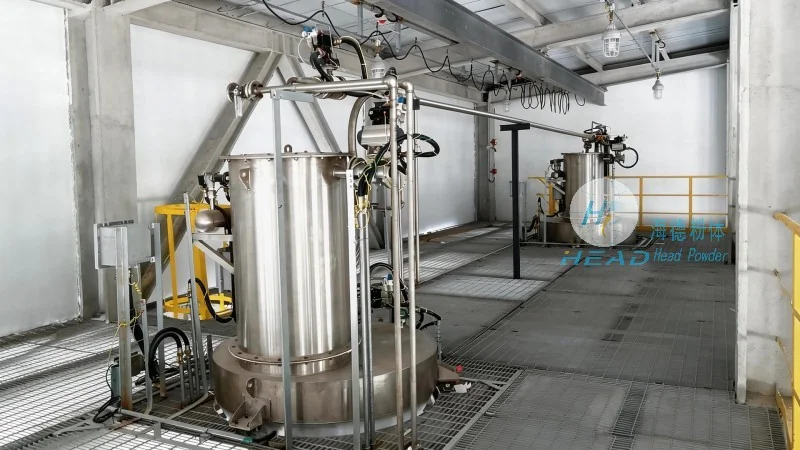
Aerodynamic conveying, or pneumatic conveying, is a method of transporting bulk materials through a pipeline using a stream of air. In the context of expanded clay aggregate, this technology offers several advantages over traditional mechanical conveyors. These include reduced equipment wear, lower maintenance requirements, and the ability to handle materials with high moisture content or fine particles without clogging. The system typically consists of a hopper for material storage, a feeder to control the flow rate, a pipeline network, and a receiver to collect the conveyed material. The entire process relies on the balance between air velocity and material density to ensure smooth and continuous transport.
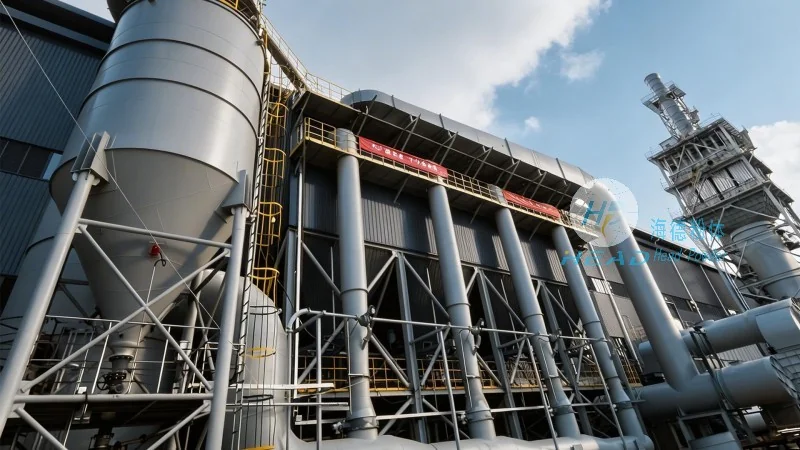
The design of aerodynamic conveying equipment for expanded clay aggregate is influenced by several critical factors. First, the material's physical properties, such as particle size distribution, bulk density, and moisture content, must be carefully considered. These characteristics determine the optimal air velocity and pressure required to maintain a stable flow within the pipeline. For expanded clay, which often has irregular shapes and varying sizes, the design must accommodate potential blockages and ensure that the air flow remains consistent. Second, the system's capacity and throughput are determined by the required production rate. Engineers must calculate the necessary air volume and pressure to achieve the desired conveying rate without excessive energy consumption. Third, the layout of the pipeline network is a key design consideration. The use of horizontal, vertical, or inclined sections affects the air velocity needed and the overall system efficiency. Properly designed bends and transitions are essential to minimize pressure losses and prevent material deposition.
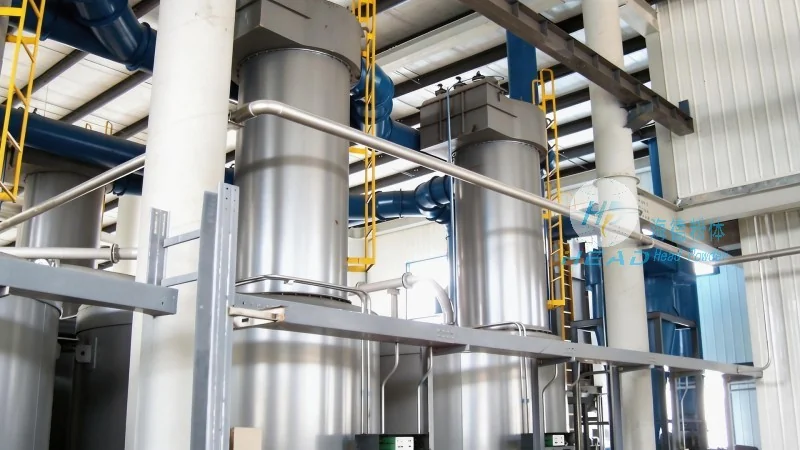
The core components of an aerodynamic conveying system for expanded clay aggregate include the material hopper, rotary valve feeder, air compressor or blower, conveying pipeline, and material receiver. The hopper serves as a storage vessel, allowing for continuous material supply. The rotary valve feeder regulates the flow of material into the pipeline, ensuring a consistent feed rate. The air compressor or blower generates the necessary air pressure to move the material through the pipeline. The conveying pipeline is typically made of corrosion-resistant materials, such as stainless steel or plastic, to withstand the abrasive nature of expanded clay particles. The material receiver collects the conveyed aggregate and may include a dust collection system to maintain air quality and prevent environmental contamination.
Implementing aerodynamic conveying equipment for expanded clay aggregate offers significant benefits for industrial operations. Compared to mechanical conveyors, pneumatic systems reduce the risk of material contamination and are more suitable for handling fine or dusty materials. They also provide greater flexibility in system layout, allowing for complex pipeline configurations to suit specific site requirements. The technology is widely used in the production of lightweight concrete, horticultural substrates, and construction fill materials. In these applications, the efficient transport of expanded clay aggregate directly impacts production efficiency and cost-effectiveness. The ability to maintain consistent material flow and minimize downtime is particularly valuable in high-volume manufacturing environments.
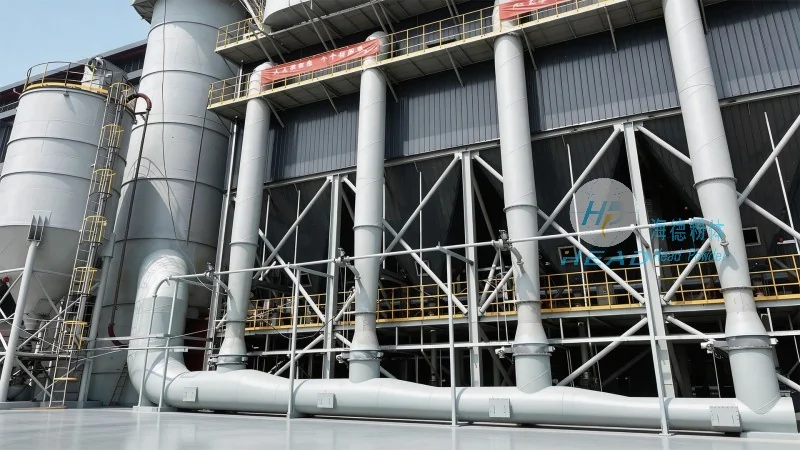
Aerodynamic conveying equipment for expanded clay aggregate is a sophisticated solution that leverages air as a transport medium to efficiently move lightweight, porous materials. The design principles, which consider material properties, system capacity, and pipeline layout, are crucial for ensuring optimal performance. By understanding these principles and the operational mechanisms of the equipment, industrial operators can select and implement systems that enhance productivity and operational efficiency. As a leading provider in this field, Shandong HeadPowder Engineering Co., Ltd. specializes in designing and manufacturing customized aerodynamic conveying solutions tailored to the unique needs of expanded clay aggregate applications.

 Shandong Headpowder Engineering Co., Ltd.
 156-6277-7102(Manager Zhang)
  0531-83386006
  Zhangqiu District, Jinan City, Shandong Province, China
telephone
WeChatconsult
top