With more than 10‑year industry experience, Shandong Headpowder delivers full‑service pneumatic‑conveying systems and blowers, undertaking nationwide turn‑key powder‑handling projects.
Chloroprene rubber, commonly known as neoprene, is a synthetic polymer widely used in industrial applications due to its excellent resistance to oil, chemicals, and weathering. The efficient handling of chloroprene rubber powder or granules is crucial for manufacturing processes, and pneumatic conveying systems offer a reliable solution for transporting these materials. This article provides an in-depth analysis of the design, operation, and benefits of chloroprene rubber pneumatic conveying systems, highlighting the key considerations for optimizing material transport in industrial settings.
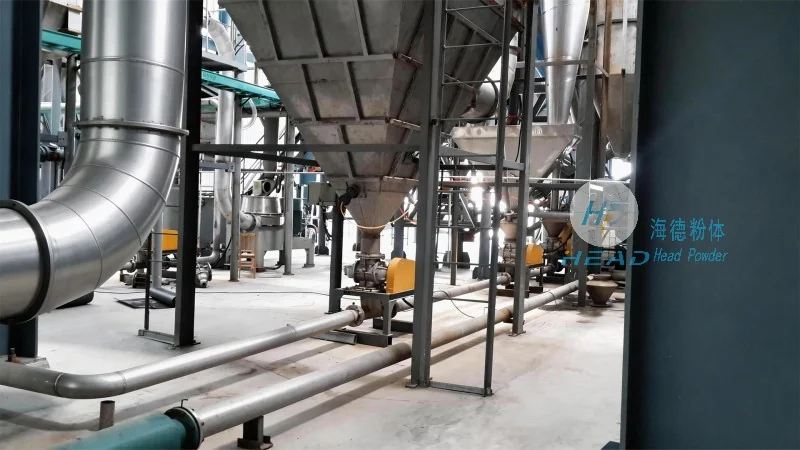
A typical chloroprene rubber pneumatic conveying system consists of several essential components that work in tandem to ensure smooth material transport. The primary components include a hopper or feeder for material storage and feeding, a conveying line (either a flexible hose or rigid pipe), a blower or air compressor to generate the necessary air pressure, and a receiver or discharge hopper for collecting the conveyed material. Each component plays a critical role in maintaining the system's efficiency and preventing material degradation or blockages.
The hopper or feeder is designed to maintain a consistent material level and control the flow rate into the conveying line. For chloroprene rubber, which can be abrasive or sticky, specialized hoppers with smooth surfaces and low friction are often used to minimize material buildup and ensure uniform feeding. The conveying line, made from materials resistant to the chemical properties of chloroprene rubber, such as stainless steel or specialized polymers, is crucial for preventing material adhesion and ensuring clean material transfer. The blower or air compressor provides the necessary air pressure to move the material through the line, with adjustable speed and pressure controls allowing for optimization based on material characteristics and system requirements.
The receiver or discharge hopper is responsible for collecting the material at the end of the conveying line. It is typically equipped with a venting system to release excess air and maintain pressure balance, preventing material spillage or blockage. Proper design of the receiver, including its size and shape, is essential to accommodate the expected material flow rate and prevent overloading, which could lead to system inefficiencies or equipment damage.
Designing an effective chloroprene rubber pneumatic conveying system requires careful consideration of several factors to ensure optimal performance and longevity. Material properties, such as the particle size distribution, moisture content, and bulk density of the chloroprene rubber, significantly impact the system's design. Coarser particles may require higher air velocities to maintain flow, while finer particles can lead to increased friction and potential blockages, necessitating specialized equipment like cyclone separators or rotary valves.
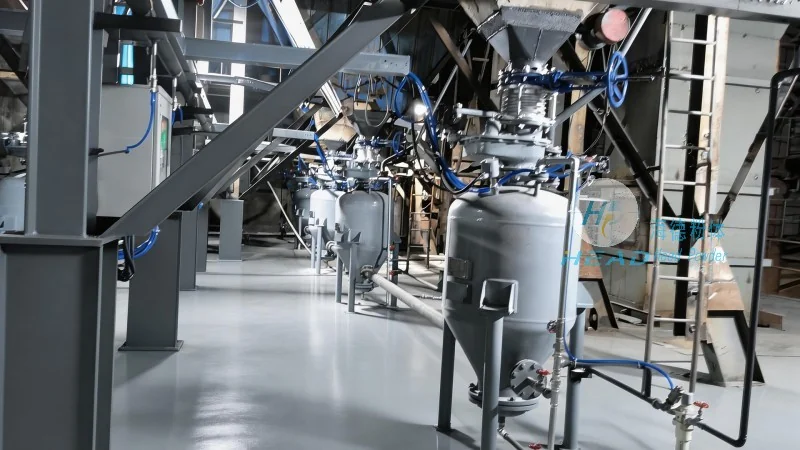
System configuration, whether it is a positive pressure or negative pressure system, also plays a critical role in conveying efficiency. Positive pressure systems, where air is blown into the conveying line, are commonly used for long-distance or high-capacity transport, as they can maintain consistent air pressure and prevent material degradation. Negative pressure systems, where air is drawn from the conveying line, are often used for shorter distances or applications where dust control is a priority. The choice between these configurations depends on the specific application requirements, including material characteristics, system layout, and environmental considerations.
Equipment selection, including the type of blower (centrifugal or positive displacement), is another key design consideration. Centrifugal blowers are suitable for high-volume, low-pressure applications, while positive displacement blowers provide higher pressure and are ideal for conveying abrasive or sticky materials like chloroprene rubber. The selection of the blower must align with the system's air volume and pressure requirements to ensure efficient material transport without excessive energy consumption.
Preventing material degradation and system blockages is a primary concern in chloroprene rubber conveying. To address this, systems often incorporate features such as cyclone separators to remove fine particles and prevent them from clogging the blower or conveying line. Rotary valves or star feeders are used to control the material flow rate and prevent overloading, while cleaning mechanisms, such as air knives or brushes, are installed to remove material buildup from the conveying line and equipment surfaces. Regular maintenance and cleaning are essential to maintain system efficiency and extend equipment lifespan.
Implementing a chloroprene rubber pneumatic conveying system offers several significant benefits for industrial operations. One of the primary advantages is the ability to transport materials in a closed system, which minimizes dust emissions and improves workplace safety. This is particularly important for chloroprene rubber, which can generate fine particles that are hazardous if inhaled. The closed system also helps maintain material quality by preventing contamination from external sources and reducing exposure to moisture or other environmental factors.
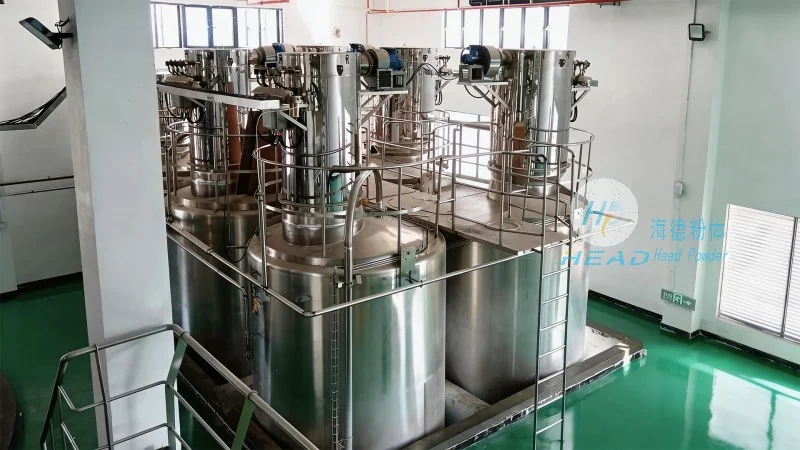
Efficiency and cost savings are another key benefit of pneumatic conveying systems. By eliminating the need for manual handling or mechanical conveyors, such as belt or screw conveyors, the system reduces labor costs and operational downtime. The ability to transport materials over long distances with minimal energy consumption also contributes to overall cost savings. Additionally, the closed system reduces material loss and waste, improving the overall material handling process and enhancing product quality.
Flexibility and adaptability are also important advantages of chloroprene rubber pneumatic conveying systems. The system can be easily modified or expanded to accommodate changes in production volume or material types, making it suitable for a wide range of industrial applications. The modular design of the system allows for easy integration with existing equipment and processes, reducing installation time and costs. Furthermore, the system can be customized to meet specific operational requirements, such as varying flow rates or pressure levels, ensuring optimal performance for the application.
Reliability and durability are critical factors in the long-term operation of a chloroprene rubber pneumatic conveying system. High-quality materials and robust construction ensure that the system can withstand the abrasive and chemical properties of chloroprene rubber, minimizing maintenance and repair costs. The use of corrosion-resistant materials, such as stainless steel or specialized polymers, protects the equipment from material degradation and extends its lifespan. Regular maintenance and proper operation of the system are essential to maintain its reliability and ensure consistent performance over time.
Chloroprene rubber pneumatic conveying systems are widely used in various industrial applications where efficient handling of rubber materials is essential. In the tire manufacturing industry, these systems are used to transport chloroprene rubber granules from storage silos to mixing equipment, ensuring a consistent and controlled feed rate for the rubber compounding process. The closed system helps maintain the quality of the rubber and prevents contamination from other materials or environmental factors.
In the automotive and industrial rubber products industry, chloroprene rubber is used to manufacture seals, gaskets, and other components. Pneumatic conveying systems are used to transport the rubber material from storage to the molding or extrusion equipment, ensuring a smooth and consistent material flow. This is particularly important for high-precision applications where material quality and consistency are critical to the final product.
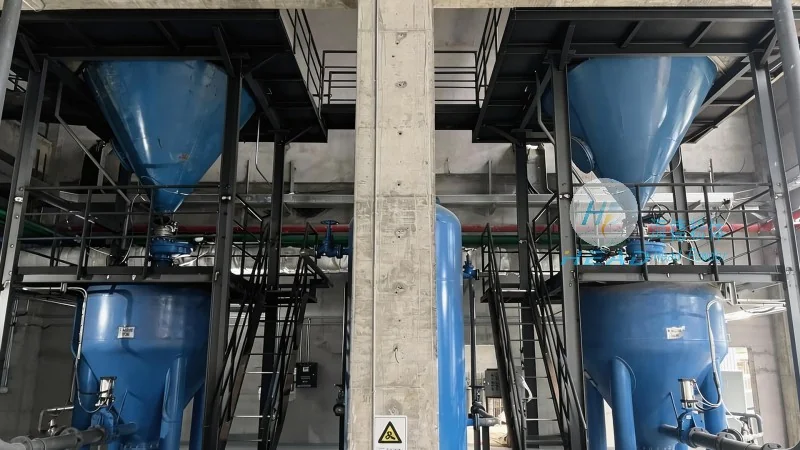
In the chemical and pharmaceutical industries, chloroprene rubber is used in the production of adhesives, coatings, and other chemical products. Pneumatic conveying systems are used to transport the rubber material from storage to the processing equipment, ensuring a clean and controlled material transfer. The closed system helps maintain the purity of the material and prevents contamination from other chemicals or environmental factors.
In the construction and building materials industry, chloroprene rubber is used in the production of roofing membranes and other building products. Pneumatic conveying systems are used to transport the rubber material from storage to the manufacturing equipment, ensuring a consistent and efficient material handling process. This helps improve the overall production efficiency and product quality in the industry.
Chloroprene rubber pneumatic conveying systems are a reliable and efficient solution for transporting chloroprene rubber materials in industrial settings. The design and operation of these systems require careful consideration of material properties, system configuration, and equipment selection to ensure optimal performance. By implementing a well-designed system, industrial operations can benefit from improved material handling efficiency, reduced dust emissions, and enhanced workplace safety. Regular maintenance and proper operation of the system are essential to maintain its reliability and extend its lifespan.
For businesses looking to implement a chloroprene rubber pneumatic conveying system, it is recommended to work with experienced suppliers who can provide customized solutions tailored to specific application requirements. Companies such as Shandong HeadPowder Engineering Co., Ltd., a leading provider of industrial material handling solutions, offer comprehensive services including system design, installation, and maintenance to ensure optimal performance and long-term success. With their expertise and commitment to quality, businesses can achieve efficient and reliable material handling for their chloroprene rubber operations.

 Shandong Headpowder Engineering Co., Ltd.
 156-6277-7102(Manager Zhang)
  0531-83386006
  Zhangqiu District, Jinan City, Shandong Province, China
telephone
WeChatconsult
top