

Analysis of Monosodium Glutamate Powder Pneumatic Conveying System
Monosodium glutamate (MSG) powder, a widely used flavor enhancer in the food industry, requires efficient and reliable handling systems for its transportation from production sites to storage or processing facilities. The pneumatic conveying system emerges as a critical solution for such applications, offering advantages in terms of hygiene, safety, and operational efficiency. This article provides an in-depth analysis of the monosodium glutamate powder pneumatic conveying system, focusing on its design principles, operational mechanisms, and practical applications.
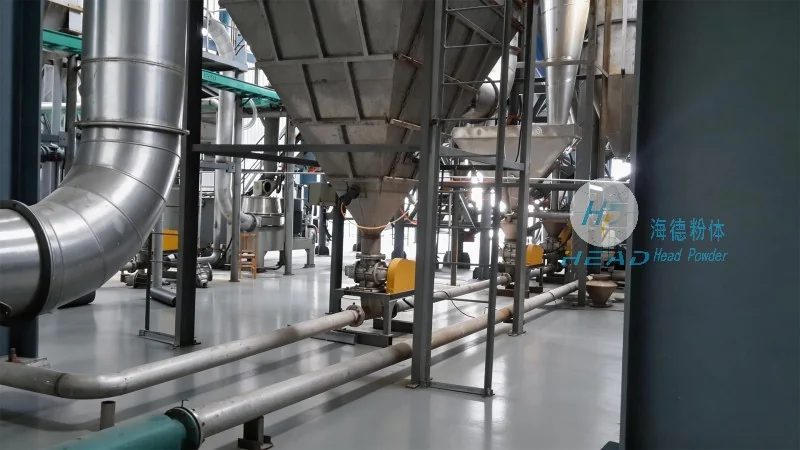
Key Components of the Pneumatic Conveying System
The monosodium glutamate powder pneumatic conveying system comprises several essential components that work in tandem to ensure smooth material transport. The primary components include the hopper, which serves as the storage and feeding unit; the conveyor pipeline, which carries the powder through the system; the air compressor or blower, which generates the necessary air pressure to move the material; and the control valves and filters that regulate airflow and maintain system cleanliness. Each component plays a vital role in the overall performance and reliability of the system.
Design Considerations for MSG Powder Handling
When designing a pneumatic conveying system for monosodium glutamate powder, several factors must be carefully considered to ensure optimal performance and minimize operational issues. The first consideration is the particle size and flow characteristics of the MSG powder. Since MSG powder is typically fine and cohesive, the system must be designed to handle such properties without causing blockages or degradation of the material. This often involves selecting appropriate hopper designs with smooth surfaces and proper aeration to prevent material bridging. Additionally, the system must be constructed from materials that are compatible with the chemical properties of MSG, such as stainless steel, to avoid contamination and corrosion. The choice of pipeline material and diameter is also crucial, as it affects the air velocity and pressure required for effective conveying. Proper sizing of the air compressor or blower is essential to maintain the necessary pressure levels while minimizing energy consumption. The control system, including sensors and valves, must be integrated to monitor and adjust the airflow and pressure in real-time, ensuring stable operation and preventing overloading or under-conveying.
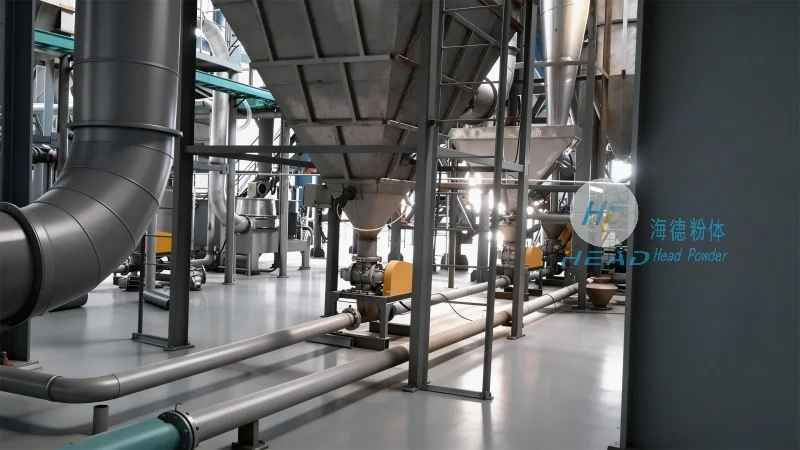
Operational Mechanisms and Flow Patterns
The pneumatic conveying system for monosodium glutamate powder operates based on the principle of air movement to transport the material. There are two main types of pneumatic conveying systems: dilute-phase and dense-phase. The dilute-phase system uses low air velocity and high air-to-material ratios, resulting in a more turbulent flow that is suitable for short-distance conveying. In contrast, the dense-phase system employs higher air velocity and lower air-to-material ratios, creating a more stable and controlled flow, which is ideal for longer distances or when handling more sensitive materials. For monosodium glutamate powder, the dilute-phase system is often preferred due to its simplicity and lower energy requirements. The operation involves feeding the MSG powder into the hopper, where it is pneumatically conveyed through the pipeline using compressed air. The air flow is controlled by the blower, and the pressure is monitored by pressure sensors to ensure consistent material transport. The system may include cyclone separators or filters at the receiving end to separate the powder from the air, allowing for clean and efficient material collection.
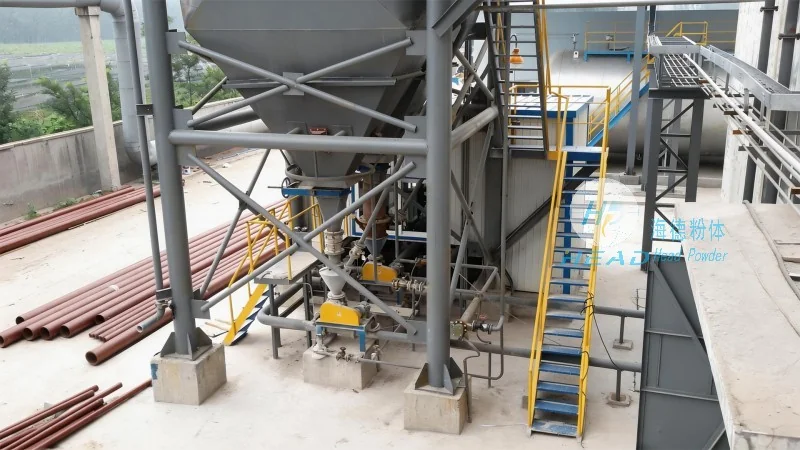
Advantages and Benefits of the System
The monosodium glutamate powder pneumatic conveying system offers several advantages over traditional mechanical conveying methods. One of the key benefits is the enhanced hygiene and cleanliness, as the system is enclosed and prevents contamination from external sources. This is particularly important for food-grade materials like MSG, where purity and safety are paramount. The system also provides better safety compared to mechanical systems, as there are no moving parts in direct contact with the material, reducing the risk of accidents or material damage. Additionally, the pneumatic conveying system offers flexibility in terms of layout and installation, as the pipelines can be easily routed around obstacles or through different levels of the facility. The system is also capable of handling varying material flow rates, making it suitable for both small-scale and large-scale production environments. The energy efficiency of the system, especially when using efficient air compressors and proper system design, contributes to lower operational costs and reduced environmental impact.
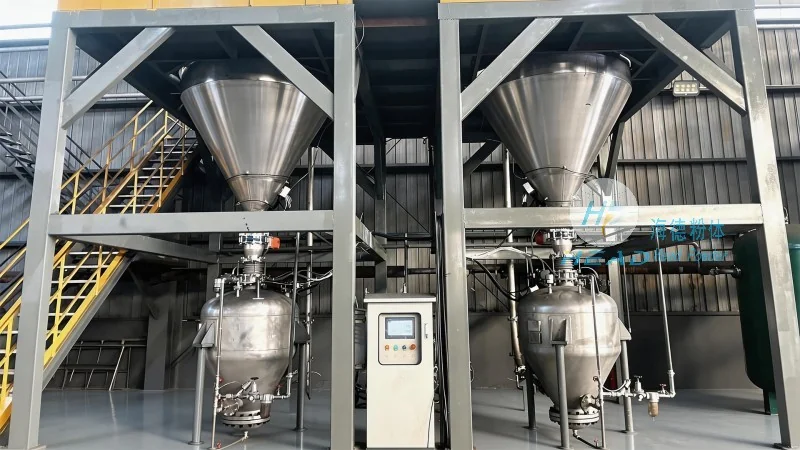
Practical Applications and Case Studies
The monosodium glutamate powder pneumatic conveying system is widely used in various industrial applications, particularly in the food processing and chemical industries. In the food industry, it is commonly employed in the production of MSG, where the system is used to transport the powder from the grinding and drying stages to the packaging or storage areas. The system ensures that the MSG powder is handled gently and efficiently, maintaining its quality and flavor. In the chemical industry, similar systems are used for transporting other fine powders, such as spices, seasonings, and other food additives. A case study from a major MSG manufacturer in China demonstrates the effectiveness of the system. The company, Shandong HeadPowder Engineering Co., Ltd., implemented a pneumatic conveying system for its MSG production line, which resulted in a significant reduction in labor costs and material loss. The system was designed to handle 10 tons of MSG powder per hour, with a conveying distance of 50 meters. The installation of the system improved the overall production efficiency by 20%, and the material handling costs were reduced by approximately 15%. This case study highlights the practical benefits of the pneumatic conveying system in real-world applications.
Maintenance and Troubleshooting
To ensure the long-term reliability and performance of the monosodium glutamate powder pneumatic conveying system, regular maintenance and proper troubleshooting are essential. The system components, such as the hopper, pipeline, and air compressor, should be inspected regularly for signs of wear, corrosion, or blockages. The hopper should be cleaned periodically to prevent material buildup and bridging, which can affect the feeding process. The pipeline should be checked for any leaks or damage that could lead to air loss or material contamination. The air compressor or blower should be maintained according to the manufacturer's recommendations, including oil changes and filter replacements. In case of system malfunctions, such as blockages or pressure drops, the troubleshooting process should begin with checking the material feed rate and air pressure. If the problem persists, the system components should be inspected for any obstructions or damage. The use of pressure sensors and flow meters can help in identifying the root cause of the issue and implementing appropriate corrective actions. Regular maintenance and timely troubleshooting can significantly extend the lifespan of the system and ensure consistent performance.