

Analysis of PVC Pellet Pneumatic Conveying Systems
For industrial applications involving the transport of PVC pellets, the selection of an efficient and reliable conveying system is crucial. Pneumatic conveying systems have emerged as a preferred solution due to their ability to handle bulk materials like PVC pellets with minimal maintenance and operational complexity. This article provides a detailed analysis of PVC pellet pneumatic conveying systems, focusing on their design, functionality, and practical applications.
Introduction to PVC Pellet Pneumatic Conveying Systems
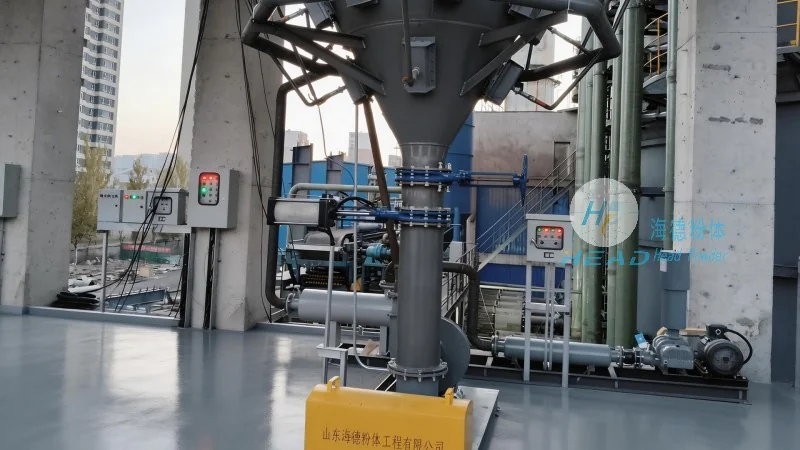
PVC pellet pneumatic conveying systems are engineered to transport plastic pellets, specifically polyvinyl chloride (PVC) pellets, through a network of pipes using compressed air or other gases. These systems are widely used in the plastics manufacturing industry for transferring raw materials from storage silos or hoppers to processing units, such as extruders or mixers. The core of the system involves a hopper or feeder that loads the PVC pellets into a conveying line, where they are propelled by the force of air moving through the pipes. This method eliminates the need for mechanical components like belts or screws, reducing wear and tear and enhancing the overall lifespan of the equipment.
Key Components of the Pneumatic Conveying System
The PVC pellet pneumatic conveying system comprises several critical components that work in tandem to ensure smooth operation. The primary components include a hopper or bulk material feeder, a rotary valve or feeder, a conveying line (typically made of stainless steel or other corrosion-resistant materials to accommodate PVC pellets), a pressure vessel or receiver, and a control system. The hopper stores the PVC pellets and feeds them into the system at a controlled rate. The rotary valve regulates the flow of pellets from the hopper to the conveying line, preventing backflow and maintaining consistent material feed. The conveying line transports the pellets through the system, while the pressure vessel collects and stores the material at the receiving end. The control system monitors and adjusts the air pressure, flow rate, and material feed to optimize performance and prevent system failures.
Operational Principles and Efficiency
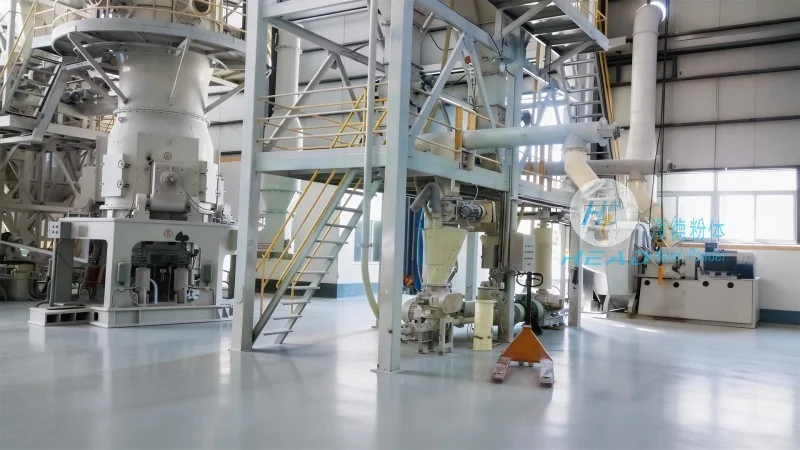
The operation of a PVC pellet pneumatic conveying system is based on the principle of air movement and pressure differentials. When compressed air is introduced into the conveying line, it creates a low-pressure zone that draws the PVC pellets into the pipe. The pellets are then carried along the line by the air stream, with the velocity of the air ensuring that the pellets remain suspended and do not settle. The system’s efficiency is determined by factors such as air pressure, flow rate, and the size and density of the PVC pellets. Proper design and maintenance of the system are essential to achieve high conveying rates and minimize energy consumption. For example, using a well-designed rotary valve and maintaining consistent air pressure can significantly improve the system’s efficiency, reducing operational costs and increasing productivity.
Advantages of Using PVC Pellet Pneumatic Conveying Systems
Implementing a PVC pellet pneumatic conveying system offers several advantages over traditional mechanical conveying methods. One of the key benefits is the elimination of mechanical wear and tear, as there are no moving parts in direct contact with the PVC pellets. This reduces maintenance requirements and extends the lifespan of the equipment. Additionally, pneumatic conveying systems are more hygienic and easier to clean, making them suitable for applications where product contamination is a concern. The systems also offer flexibility in terms of layout, as the conveying lines can be easily reconfigured to accommodate changes in production processes or facility expansions. Furthermore, pneumatic conveying systems can handle a wide range of PVC pellet sizes and densities, making them versatile for various industrial applications.
Application Scenarios and Industry Use Cases
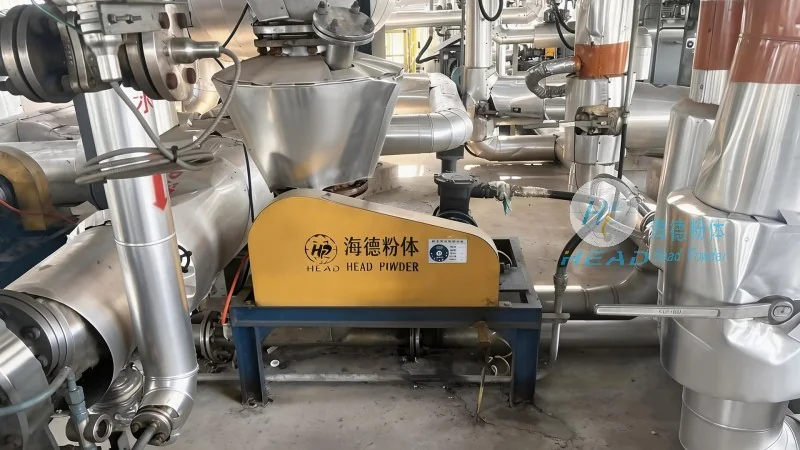
PVC pellet pneumatic conveying systems are widely used in the plastics industry for several applications. In extrusion processes, the system efficiently transfers PVC pellets from storage to the extruder, ensuring a continuous supply of raw material. In compounding operations, the system can convey PVC pellets to mixers or blenders, facilitating the addition of additives and colorants. The systems are also used in recycling facilities, where they transport reclaimed PVC pellets from sorting to processing equipment. Additionally, in manufacturing plants producing PVC products like pipes, sheets, or flooring, the pneumatic conveying system plays a critical role in material handling, improving overall production efficiency and reducing labor costs.
Company Profile: Shandong HeadPowder Engineering Co., Ltd.
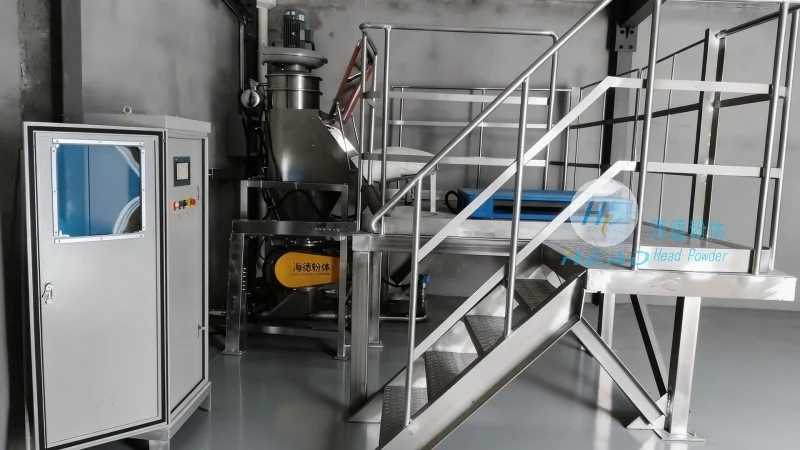
Shandong HeadPowder Engineering Co., Ltd. is a leading manufacturer and supplier of pneumatic conveying systems, including PVC pellet pneumatic conveying solutions. The company is headquartered in Shandong, China, and has established itself as a trusted partner for industries requiring reliable material handling equipment. With years of experience in the field, HeadPowder specializes in designing and manufacturing customized pneumatic conveying systems tailored to the specific needs of clients. The company’s products are known for their durability, efficiency, and compliance with industry standards. HeadPowder’s commitment to quality and customer satisfaction has earned it a reputation as a leading provider in the pneumatic conveying industry.
Conclusion
PVC pellet pneumatic conveying systems represent a sophisticated and efficient solution for transporting plastic pellets in industrial settings. By leveraging the principles of air movement and pressure differentials, these systems offer numerous advantages over traditional mechanical conveying methods, including reduced maintenance, improved hygiene, and enhanced flexibility. The key to maximizing the benefits of a PVC pellet pneumatic conveying system lies in proper design, regular maintenance, and the use of high-quality components. For industries dealing with PVC pellets, investing in a well-engineered pneumatic conveying system is a strategic decision that can significantly improve operational efficiency and reduce long-term costs. As a leading provider in the field, Shandong HeadPowder Engineering Co., Ltd. continues to deliver innovative and reliable solutions to meet the evolving needs of the plastics industry.