With more than 10‑year industry experience, Shandong Headpowder delivers full‑service pneumatic‑conveying systems and blowers, undertaking nationwide turn‑key powder‑handling projects.
Pneumatic conveying systems are essential for the efficient and safe transport of glass particles in various industrial applications. These systems utilize air or other gases to move bulk materials through a pipeline network, offering advantages such as reduced labor costs, minimized material degradation, and enhanced process control. For industries dealing with glass particles, selecting the right pneumatic conveying system is crucial to ensure optimal performance and operational efficiency.
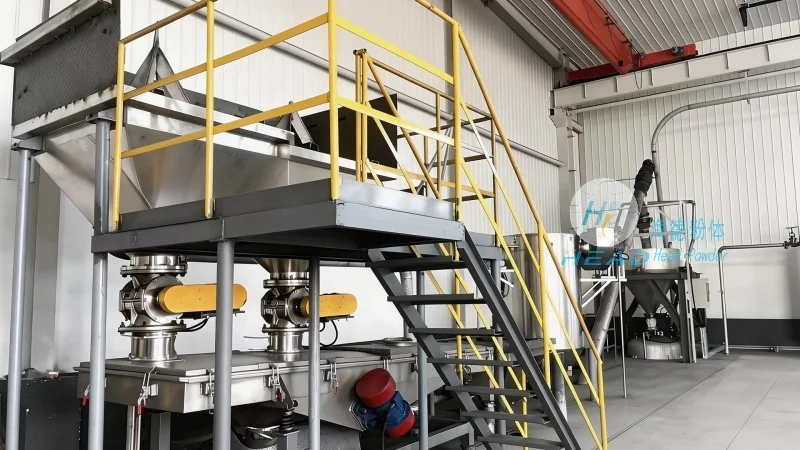
At the core of any pneumatic conveying system are several critical components that work in tandem to achieve effective material transport. The primary components include the hopper or feeder, which holds the glass particles and regulates the flow into the system; the conveying line, which is typically made of durable materials like stainless steel or plastic to withstand the abrasive nature of glass particles; the air mover, which can be a rotary lobe blower, centrifugal fan, or positive displacement blower, providing the necessary air pressure and volume; and the control valves and filters, which manage the air flow and prevent dust or debris from entering the system.
There are two main categories of pneumatic conveying systems used for glass particles: dilute phase and dense phase. Dilute phase systems operate at low pressure and high velocity, suitable for short distances and light loads. They are ideal for applications where material degradation is a concern, as the particles are suspended in the air stream. Dense phase systems, on the other hand, operate at higher pressure and lower velocity, designed for longer distances and heavier loads. These systems are more efficient for transporting larger quantities of glass particles with minimal segregation.
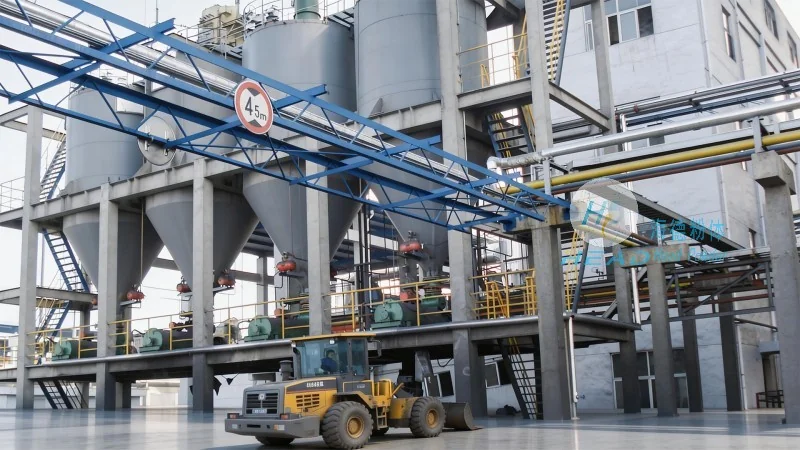
Implementing a pneumatic conveying system for glass particles offers numerous benefits. First, it eliminates the need for manual handling, reducing the risk of workplace injuries and improving safety standards. Second, the system minimizes material contamination, as the glass particles are not in direct contact with other materials or surfaces. Third, it enhances process efficiency by allowing for continuous operation and precise control over the flow rate. Additionally, pneumatic conveying systems are compact and can be integrated into existing production lines, saving space and reducing installation costs.
Glass particle pneumatic conveying systems are widely used in various industries, including glass manufacturing, where they transport raw materials like sand, soda ash, and limestone to the melting furnaces. They are also employed in the glass packaging industry, where they move finished glass products from production lines to storage or shipping areas. Other applications include the transportation of glass waste for recycling, where the system helps in separating and conveying different types of glass materials for processing.
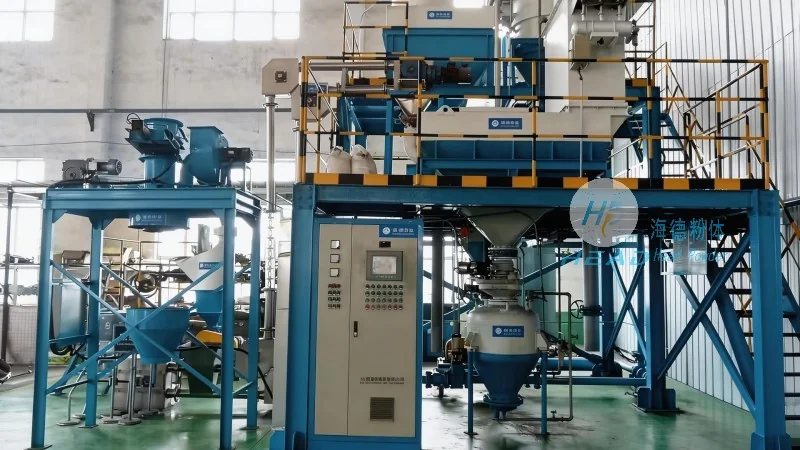
Shandong HeadPowder Engineering Co., Ltd., operating under the brand name headpowder, is a leading manufacturer and supplier of pneumatic conveying systems and related equipment. With a strong focus on innovation and quality, the company specializes in designing and manufacturing customized solutions for glass particle transport. HeadPowder's systems are engineered to meet the specific needs of clients, ensuring reliable performance and long-term durability. The company's commitment to customer satisfaction and technical excellence has made it a trusted partner in the glass industry.
Pneumatic conveying systems are a vital technology for the efficient handling of glass particles in industrial settings. By understanding the key components, types, and advantages of these systems, industries can make informed decisions to enhance their operations. With the expertise and experience of companies like Shandong HeadPowder Engineering Co., Ltd., businesses can access high-quality solutions tailored to their specific requirements, ensuring optimal performance and cost-effectiveness in glass particle transport.

 Shandong Headpowder Engineering Co., Ltd.
 156-6277-7102(Manager Zhang)
  0531-83386006
  Zhangqiu District, Jinan City, Shandong Province, China
telephone
WeChatconsult
top