With more than 10‑year industry experience, Shandong Headpowder delivers full‑service pneumatic‑conveying systems and blowers, undertaking nationwide turn‑key powder‑handling projects.
Pea pneumatic conveying systems represent a specialized solution within the broader field of material handling, particularly suited for the efficient transport of pea seeds and related agricultural products. These systems leverage air pressure to move bulk materials through a network of pipes, offering advantages such as reduced contamination, minimal product damage, and enhanced operational flexibility. As a key component in agricultural processing and food production, understanding the design, functionality, and applications of pea pneumatic conveying systems is crucial for optimizing workflow and maintaining product quality.
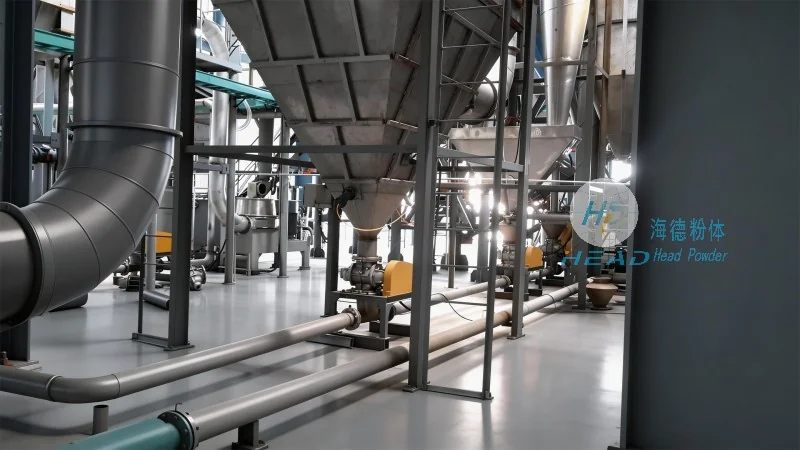
The core components of a pea pneumatic conveying system typically include a material feed hopper, an air compressor or blower, a conveying pipeline network, and a discharge receiver. The material feed hopper is designed to hold the pea seeds, ensuring a consistent flow into the system. The air compressor generates the necessary pressure to move the material through the pipes, with the velocity and pressure levels carefully controlled to prevent product degradation. The conveying pipeline is often made of materials like stainless steel or food-grade plastic to maintain hygiene standards, and may include features such as bends, valves, and filters to manage the flow and prevent blockages. The discharge receiver collects the conveyed pea seeds, allowing for further processing or storage.
Compared to traditional mechanical conveyor systems, pea pneumatic conveying offers several distinct advantages. Firstly, it minimizes physical contact between the product and handling equipment, reducing the risk of contamination from dust, bacteria, or other foreign particles. This is particularly important for food-grade products like pea seeds, where hygiene is paramount. Secondly, the system can handle delicate or fragile materials without causing breakage or bruising, preserving the quality and market value of the product. Thirdly, pneumatic conveying systems are highly flexible, allowing for changes in the layout or direction of material flow without significant modifications to the infrastructure. This adaptability makes them suitable for diverse processing environments, from small-scale farms to large industrial facilities. Additionally, the enclosed nature of the system reduces dust emissions, contributing to a cleaner and safer working environment.
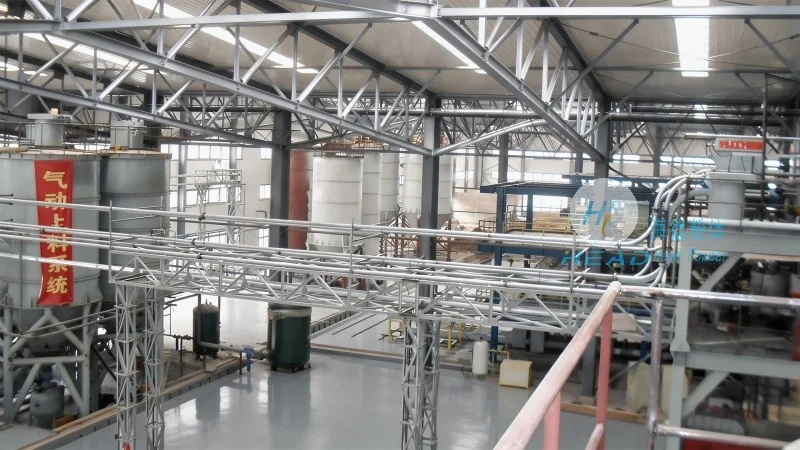
Pea pneumatic conveying systems are widely used in various stages of pea processing, from harvesting and cleaning to packaging and storage. In the initial stages, after the peas are harvested and cleaned, the pneumatic system can efficiently transport the seeds from the field or cleaning station to a processing facility. This ensures that the product remains in optimal condition during transit, minimizing the risk of spoilage or damage. During processing, the system can move pea seeds between different processing units, such as cleaning machines, sorting equipment, and drying ovens, streamlining the workflow and improving overall efficiency. In the final stages, the pneumatic conveying system can transport the processed pea seeds to packaging lines or storage silos, ensuring a continuous and smooth operation from raw material to finished product. The versatility of these systems allows them to be integrated into existing processing lines or used as standalone solutions, depending on the specific needs of the operation.
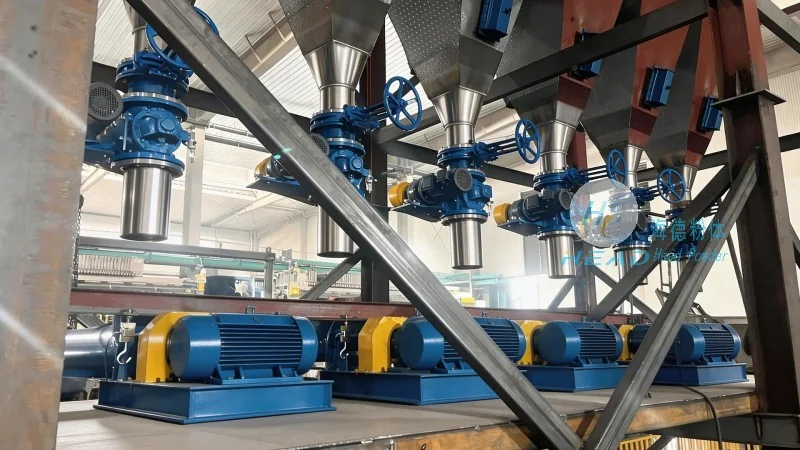
When designing and implementing a pea pneumatic conveying system, several factors must be carefully considered to ensure optimal performance and longevity. The first consideration is the material characteristics of the pea seeds, including their size, density, and moisture content. These properties affect the air velocity and pressure required for effective conveying, and must be matched with the appropriate system components. For example, larger or denser pea seeds may require higher air pressure and velocity to maintain a consistent flow, while smaller or lighter seeds may need lower pressure to avoid excessive product damage. The second consideration is the system layout and pipeline design. The length and complexity of the conveying network, including the number of bends and changes in elevation, impact the overall pressure drop and energy consumption. Properly sized pipelines and strategically placed valves and filters are essential to maintain system efficiency and prevent blockages. The third consideration is the environmental and operational constraints. Factors such as space availability, noise levels, and maintenance requirements must be taken into account when selecting the type of air compressor (e.g., rotary lobe or centrifugal) and the overall system configuration. Additionally, the system must comply with relevant food safety regulations and standards, particularly in the case of food-grade products like pea seeds.
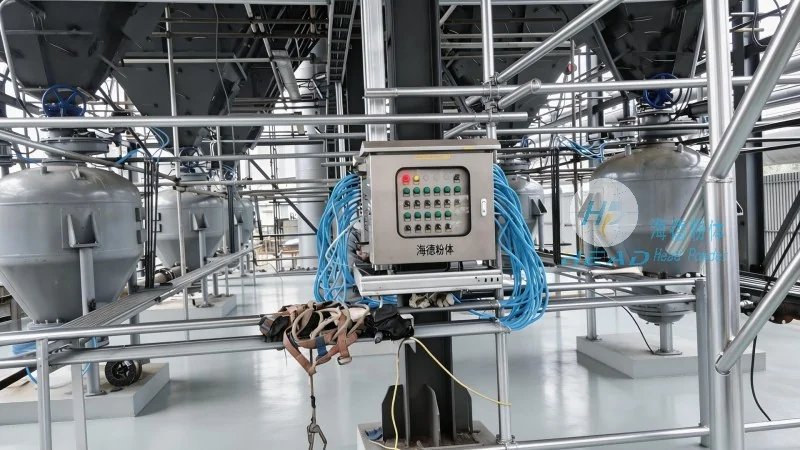
To ensure the reliable and efficient operation of a pea pneumatic conveying system, regular maintenance and proactive troubleshooting are essential. The system components, particularly the air compressor, conveying pipeline, and filters, require periodic inspection and maintenance to prevent performance degradation or failure. The air compressor should be checked for proper lubrication, air filter cleanliness, and pressure regulation, as any issues can lead to reduced conveying efficiency or increased energy consumption. The conveying pipeline should be inspected for signs of wear, corrosion, or blockages, and cleaned regularly to remove accumulated dust or product residue. The filters, which are critical for maintaining air quality and preventing product contamination, should be replaced or cleaned according to the manufacturer's recommendations. Common troubleshooting issues in pneumatic conveying systems include low conveying velocity, system blockages, and excessive noise. Low velocity may indicate insufficient air pressure or clogged filters, while blockages can result from product buildup or debris in the pipeline. Excessive noise may suggest worn bearings or loose components in the air compressor. By addressing these issues promptly and following proper maintenance procedures, the system can maintain its performance and extend its operational life.
In conclusion, pea pneumatic conveying systems play a vital role in modern agricultural processing, offering a reliable and efficient means of transporting pea seeds and related products. By leveraging air pressure to move materials through an enclosed pipeline network, these systems provide numerous benefits, including reduced contamination, minimal product damage, and enhanced operational flexibility. The design and implementation of such systems require careful consideration of material characteristics, system layout, and environmental constraints to ensure optimal performance. Regular maintenance and proactive troubleshooting are essential to maintain the system's reliability and longevity. As the demand for high-quality pea products continues to grow, the adoption of advanced pneumatic conveying technologies will remain critical for optimizing processing workflows and meeting the evolving needs of the agricultural industry. The expertise and solutions provided by companies like Shandong HeadPowder Engineering Co., Ltd. in China further underscore the importance of specialized equipment in enhancing agricultural productivity and product quality.

 Shandong Headpowder Engineering Co., Ltd.
 156-6277-7102(Manager Zhang)
  0531-83386006
  Zhangqiu District, Jinan City, Shandong Province, China
telephone
WeChatconsult
top