With more than 10‑year industry experience, Shandong Headpowder delivers full‑service pneumatic‑conveying systems and blowers, undertaking nationwide turn‑key powder‑handling projects.
In industrial settings, the handling of quicklime powder requires specialized equipment to ensure safety, efficiency, and product integrity. Pneumatic conveying systems have emerged as a preferred method for transporting quicklime powder due to their ability to minimize dust exposure, maintain material quality, and facilitate automated material flow. This article delves into the technical aspects of quicklime powder pneumatic conveying systems, exploring their design, functionality, and practical applications in various industrial sectors.
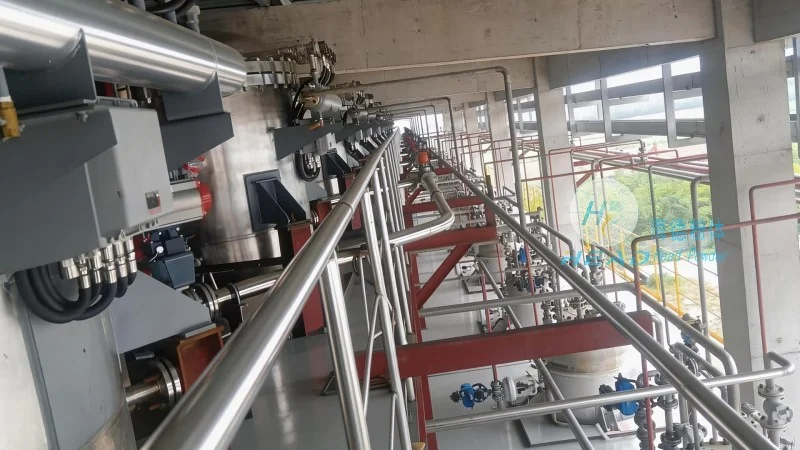
A typical quicklime powder pneumatic conveying system comprises several essential components that work in tandem to achieve effective material transport. The primary components include a hopper or storage silo for powder storage, a rotary airlock valve to control material discharge, a conveyor line (either positive or negative pressure), a filter or dust collector to capture any released particles, and a blower or vacuum pump to generate the necessary air flow. Each component plays a critical role in ensuring the system operates smoothly and safely.
There are two main types of pneumatic conveying systems used for quicklime powder: positive pressure and negative pressure systems. Positive pressure systems use a blower to push air and powder through the conveyor line, while negative pressure systems employ a vacuum pump to draw the material and air into the system. The choice between these systems depends on factors such as the distance to be covered, the amount of material to be transported, and the specific requirements of the industrial process. Both types are designed to handle the abrasive and reactive nature of quicklime powder, ensuring consistent performance and minimal wear on system components.
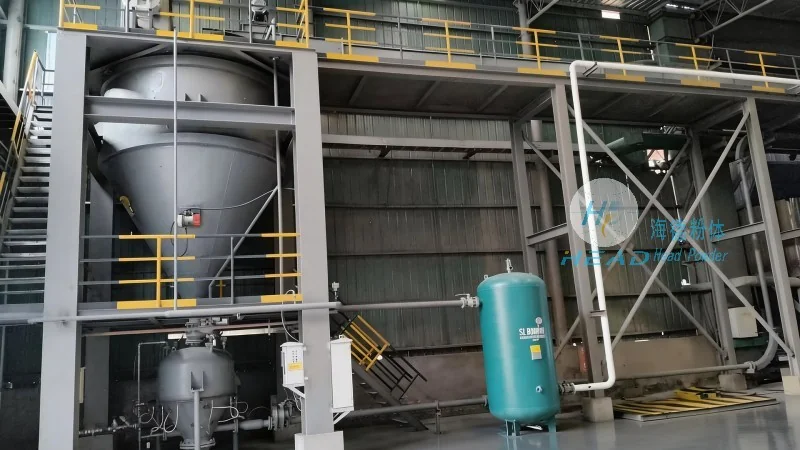
Implementing a pneumatic conveying system for quicklime powder offers numerous advantages over traditional methods like bucket elevators or belt conveyors. One of the most significant benefits is the reduction in dust generation, which enhances workplace safety and compliance with environmental regulations. Additionally, pneumatic systems provide better material containment, preventing contamination and ensuring product purity. The automated nature of these systems also reduces labor costs and improves operational efficiency, allowing for consistent and reliable material flow. Furthermore, the ability to handle quicklime powder in a closed system minimizes the risk of material degradation and exposure to moisture, which can affect the quality of the final product.
Quicklime powder pneumatic conveying systems are widely used across various industrial applications. In the cement industry, these systems are essential for transporting quicklime from storage to clinker production units, where it is used as a raw material. In chemical processing, they facilitate the transport of quicklime for use in flue gas desulfurization and other chemical reactions. Environmental remediation projects also benefit from these systems, as they enable the safe handling and transport of quicklime used in soil stabilization and waste treatment processes. The versatility of pneumatic conveying systems makes them suitable for a range of applications where efficient and safe material handling is critical.

When designing a quicklime powder pneumatic conveying system, several factors must be considered to ensure optimal performance and longevity. The system must be tailored to the specific characteristics of the quicklime powder, including its particle size, density, and flowability. The choice of materials for system components, such as the conveyor line and rotary airlock valve, is crucial to withstand the abrasive nature of quicklime and prevent corrosion. Additionally, the system's layout and integration with existing industrial infrastructure must be carefully planned to minimize installation costs and ensure smooth operation. Proper maintenance and regular inspections are also essential to prevent system failures and ensure consistent performance over time.
Pneumatic conveying systems represent a highly effective solution for the transportation of quicklime powder in industrial applications. By leveraging advanced engineering and design, these systems provide reliable, efficient, and safe material handling, addressing the unique challenges associated with quicklime powder. Shandong HeadPowder Engineering Co., Ltd., a leading provider of industrial material handling solutions, specializes in the design, manufacturing, and installation of pneumatic conveying systems tailored to the needs of various industries. With a focus on quality, innovation, and customer satisfaction, HeadPowder delivers systems that meet the highest standards of performance and safety, ensuring long-term operational success for its clients. Based in Shandong, China, HeadPowder leverages its expertise to provide customized solutions that enhance productivity and reduce operational costs for businesses worldwide.

 Shandong Headpowder Engineering Co., Ltd.
 156-6277-7102(Manager Zhang)
  0531-83386006
  Zhangqiu District, Jinan City, Shandong Province, China
telephone
WeChatconsult
top