With more than 10‑year industry experience, Shandong Headpowder delivers full‑service pneumatic‑conveying systems and blowers, undertaking nationwide turn‑key powder‑handling projects.
Plastic pneumatic conveying systems are essential in modern industrial applications, providing efficient and flexible methods for transporting plastic materials. These systems utilize air as the primary medium to move plastic powders, granules, or pellets from one location to another, offering advantages such as reduced contamination, minimal maintenance, and the ability to handle a wide range of plastic types. The equipment involved in these systems is designed to ensure reliable and consistent material transport, making them a preferred choice in various industries including manufacturing, packaging, and recycling.
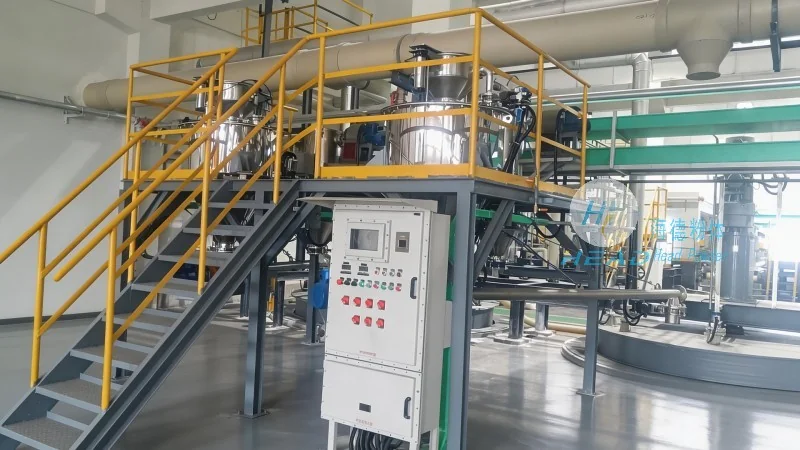
At the core of a plastic pneumatic conveying system are several critical components that work in tandem to achieve effective material transport. The primary components include the hopper or feeder, which holds the plastic material and regulates its flow into the system. The air compressor or blower generates the necessary air pressure to move the material through the pipeline. The conveying line, typically made of durable materials like stainless steel or specialized plastic, transports the material from the source to the destination. Additionally, a separator or cyclone is often used to separate the plastic particles from the air stream, ensuring that the material is deposited accurately at the receiving point. Each component plays a vital role in maintaining the system's efficiency and performance.
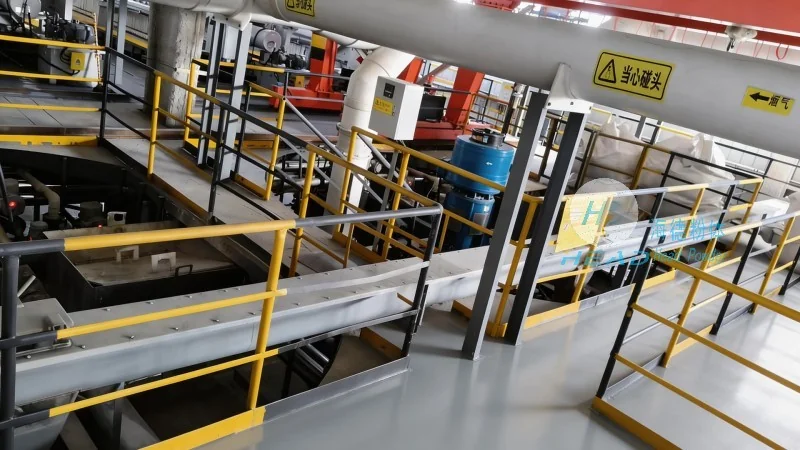
The structural principles of plastic pneumatic conveying systems are based on the fundamental physics of fluid dynamics and particle movement. The system operates by creating a pressure differential between the source and destination points. When the air compressor generates high-pressure air, it is introduced into the conveying line, creating a flow that pulls the plastic material from the hopper. The material is then carried along the pipeline by the air stream, with the velocity and pressure of the air determining the rate of transport. The separator or cyclone at the end of the line uses centrifugal force to separate the plastic particles from the air, allowing the material to be collected in a hopper or bin while the air is discharged or recirculated. This process ensures that the plastic material is transported efficiently without degradation or contamination.
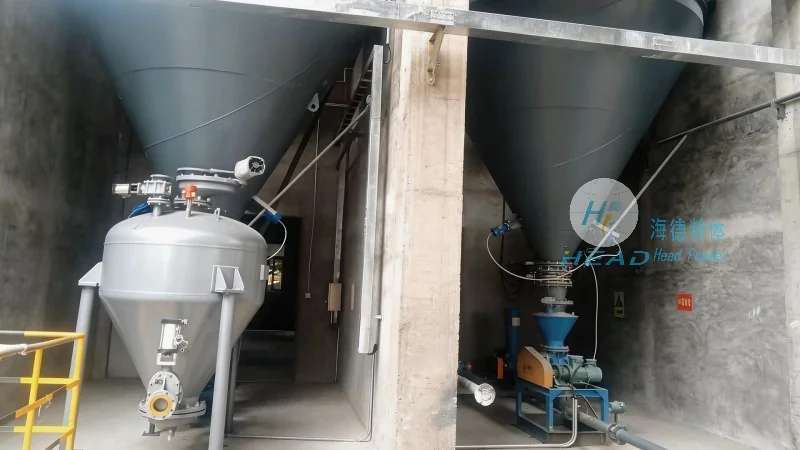
Plastic pneumatic conveying systems offer numerous advantages over traditional mechanical conveying methods. One of the key benefits is the reduction of material contamination, as the system is enclosed and uses clean air to transport the plastic. This is particularly important for food-grade or pharmaceutical plastics where purity is critical. Additionally, these systems are highly flexible, allowing for changes in material flow rates and destination points without major modifications. They also require minimal maintenance compared to other conveying systems, as there are fewer moving parts and less wear and tear. The ability to handle a wide range of plastic materials, from fine powders to large pellets, makes these systems versatile and suitable for various industrial applications.
Plastic pneumatic conveying systems are widely used in various industrial settings due to their efficiency and adaptability. In manufacturing plants, they are used to transport plastic resins from storage silos to processing machines, ensuring a continuous supply of material. In packaging facilities, these systems are employed to move plastic granules from raw material storage to extrusion lines, where they are converted into plastic products. The recycling industry also benefits from plastic pneumatic conveying systems, as they can efficiently transport recycled plastic materials from collection points to processing facilities. Additionally, in research and development laboratories, these systems are used to handle small quantities of plastic materials for testing and analysis. The versatility of plastic pneumatic conveying systems makes them a valuable asset in any industrial environment where plastic material transport is required.
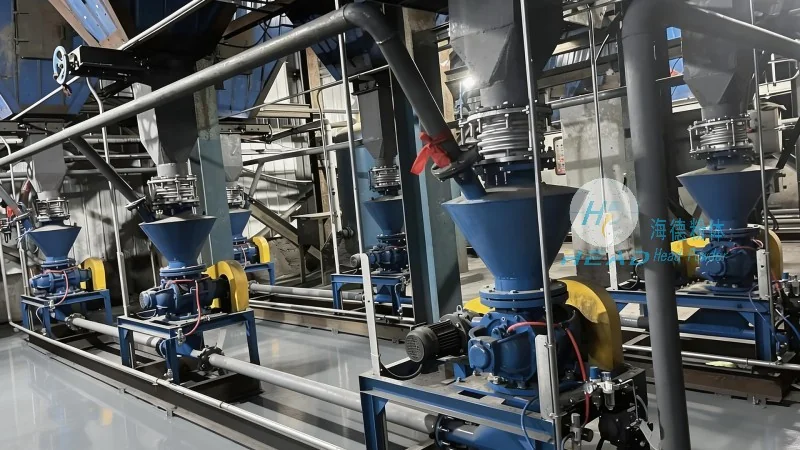
HeadPowder, or Shandong HeadPowder Engineering Co., Ltd., is a leading manufacturer and supplier of plastic pneumatic conveying systems and related equipment. With a focus on innovation and quality, the company has established itself as a trusted partner in the industry, providing reliable and efficient solutions for plastic material transport. HeadPowder's products are designed to meet the specific needs of various industries, ensuring that customers receive systems that are tailored to their requirements. The company's commitment to customer satisfaction and technical excellence has earned it a reputation for delivering high-quality products and services. HeadPowder's facilities are located in Shandong, China, where the company conducts research, development, and manufacturing to ensure that its products meet the highest standards of performance and durability.

 Shandong Headpowder Engineering Co., Ltd.
 156-6277-7102(Manager Zhang)
  0531-83386006
  Zhangqiu District, Jinan City, Shandong Province, China
telephone
WeChatconsult
top