With more than 10‑year industry experience, Shandong Headpowder delivers full‑service pneumatic‑conveying systems and blowers, undertaking nationwide turn‑key powder‑handling projects.
For industrial applications involving the transport of fine powders like silica, a pneumatic conveying system offers an efficient and reliable solution. This article explores the concept of a silica powder pneumatic conveying system, detailing its design principles and the key factors that influence its performance. The information is provided by Shandong HeadPowder Engineering Co., Ltd., a leading manufacturer specializing in pneumatic conveying systems for various industrial applications.
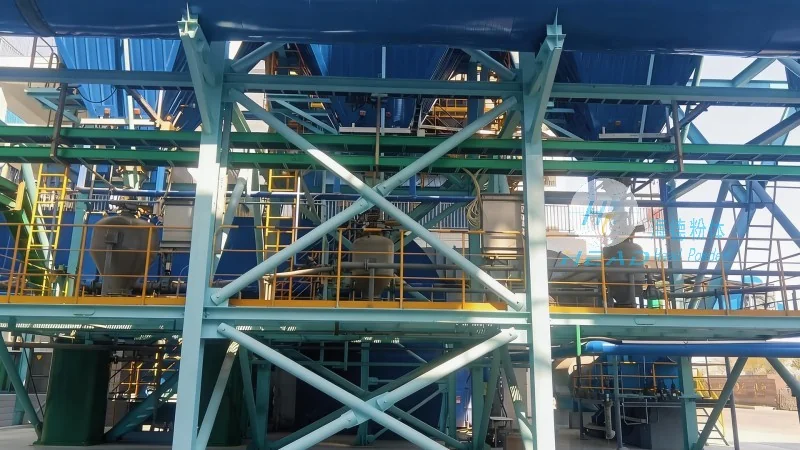
A silica powder pneumatic conveying system is a method used to transport dry, fine powders such as silica through a pipeline using compressed air or other gas as the conveying medium. Unlike traditional mechanical conveyors, this system relies on the kinetic energy of the gas to move the material, making it particularly suitable for handling materials that are prone to dust, require a closed system to prevent contamination, or need to be transported over long distances with minimal degradation.
The design of a silica powder pneumatic conveying system typically involves several critical components, each playing a vital role in the overall operation. These components include:
1. Feeder: The feeder is responsible for feeding the silica powder into the conveying line at a controlled rate. It ensures a consistent flow of material, preventing blockages and maintaining system efficiency. The choice of feeder depends on the characteristics of the silica powder, such as its bulk density, flowability, and moisture content.
2. Pneumatic Conveying Pipe: The pipe serves as the main pathway for transporting the silica powder. It is usually made of materials like stainless steel or plastic, chosen for their resistance to corrosion and wear from the silica particles. The pipe diameter and length are carefully selected to minimize pressure drop and ensure smooth material movement.
3. Compressor or Blower: The compressor or blower generates the necessary air pressure to move the silica powder through the pipe. The type of compressor (e.g., rotary lobe, centrifugal) is selected based on the system's capacity, pressure requirements, and energy efficiency considerations.
4. Separation and Collection System: At the receiving end, the separation system separates the silica powder from the air stream. This may involve cyclones, filters, or other devices that capture the powder while allowing the air to be recycled or vented. Proper design of this system is crucial to prevent dust emissions and maintain environmental compliance.
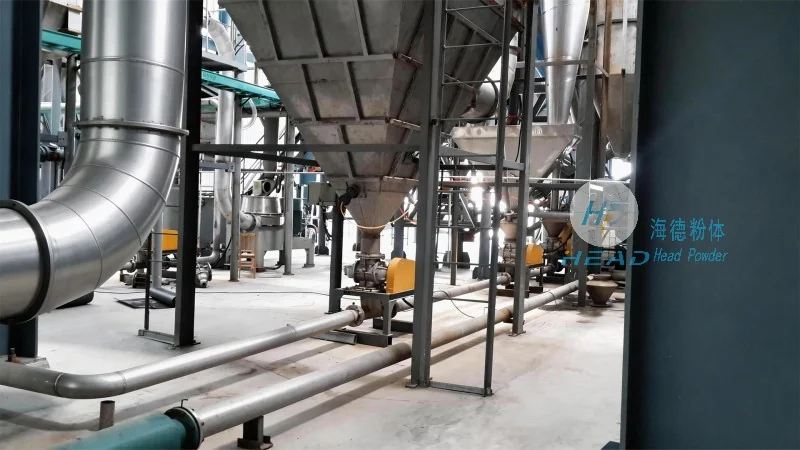
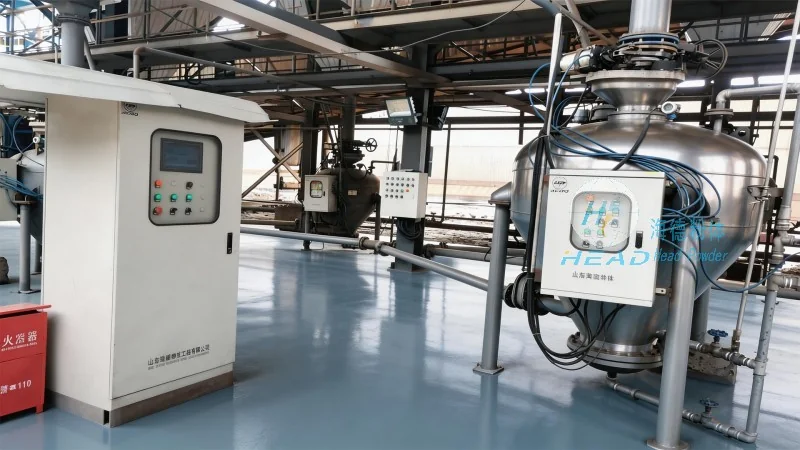
5. Control and Monitoring Equipment: Modern pneumatic conveying systems often include control panels and sensors to monitor parameters such as pressure, flow rate, and material level. This allows for real-time adjustments and ensures the system operates within optimal conditions, enhancing reliability and reducing downtime.
The design of a silica powder pneumatic conveying system follows several fundamental principles to ensure efficient and safe operation. These principles are tailored to the specific properties of silica powder, which can vary in terms of particle size, density, and flow characteristics.
First, the air-to-material ratio is a critical design parameter. This ratio determines the amount of air required to transport a given quantity of silica powder. An optimal ratio balances the need for sufficient air to move the material with minimizing energy consumption. Too little air can lead to blockages, while too much air increases energy costs and may cause excessive wear on system components.
Second, the system pressure is another key factor. The pressure must be sufficient to overcome the resistance in the pipeline and ensure the silica powder is carried by the air stream. The pressure level is typically determined by the pipeline length, diameter, and the characteristics of the silica powder. Higher pressures are often required for longer distances or for materials with higher resistance to flow.
Third, the pipe layout and inclination play a significant role in the system's performance. The pipeline should be designed with a slight upward slope from the feeder to the receiving end to prevent material settling and ensure continuous flow. Properly designed bends and elbows are also essential to minimize pressure losses and maintain the air flow efficiency.
Fourth, the material handling considerations must be addressed. Silica powder can be abrasive and may cause wear on the pipe and other components. Therefore, the system components are often made of materials with high wear resistance, such as stainless steel or special alloys. Additionally, the system should be designed to handle variations in the silica powder's properties, such as changes in moisture content or particle size, to maintain consistent performance.
Silica powder pneumatic conveying systems are widely used in various industries, including chemical, pharmaceutical, food processing, and mining. The primary benefits of using such a system include:
1. Closed System Operation: The system operates in a closed loop, preventing dust emissions and protecting the environment from silica dust pollution. This is particularly important for silica powder, which can be hazardous if inhaled.
2. Efficient Material Transport: Compared to traditional conveyors, pneumatic systems can transport silica powder over long distances with minimal energy consumption and maintenance requirements.
3. Reduced Downtime: The design of the system, including the use of robust components and proper maintenance, minimizes downtime and ensures continuous operation.
4. Flexibility: Pneumatic conveying systems can be easily modified or expanded to accommodate changes in production requirements or to transport different types of powders.
In conclusion, a silica powder pneumatic conveying system is a sophisticated and efficient method for transporting fine powders like silica. The design principles, including the air-to-material ratio, system pressure, and pipe layout, are critical to ensuring optimal performance and reliability. By understanding these principles and selecting the appropriate components, industries can achieve efficient and safe material handling while complying with environmental regulations.

 Shandong Headpowder Engineering Co., Ltd.
 156-6277-7102(Manager Zhang)
  0531-83386006
  Zhangqiu District, Jinan City, Shandong Province, China
telephone
WeChatconsult
top