With more than 10‑year industry experience, Shandong Headpowder delivers full‑service pneumatic‑conveying systems and blowers, undertaking nationwide turn‑key powder‑handling projects.
Plugging type pneumatic conveying systems represent a specialized category of material handling equipment designed to transport bulk materials through a pipeline using a combination of air and mechanical forces. Unlike traditional pneumatic conveying methods that rely on continuous airflow to move particles, plugging systems operate by creating a plug, or a solid block of material, within the pipeline. This plug is then propelled forward by a pulse of air or pressure, allowing for efficient and controlled movement of dry powders and granular materials. The design of these systems is crucial for ensuring optimal performance, reliability, and safety in industrial applications.
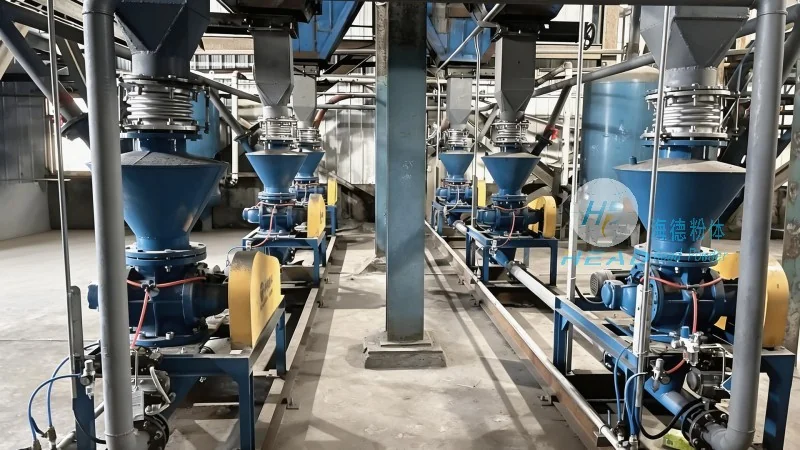
The core design principles of plugging type pneumatic conveying systems revolve around the creation and management of material plugs. A plug is essentially a dense, compacted column of material that fills the entire cross-section of the pipeline. The system achieves this by controlling the flow of material and air, ensuring that the material is fed at a rate that matches the air pulse frequency. This balance is critical to prevent the plug from breaking apart or the pipeline from becoming clogged. Several key design elements contribute to the effectiveness of these systems:
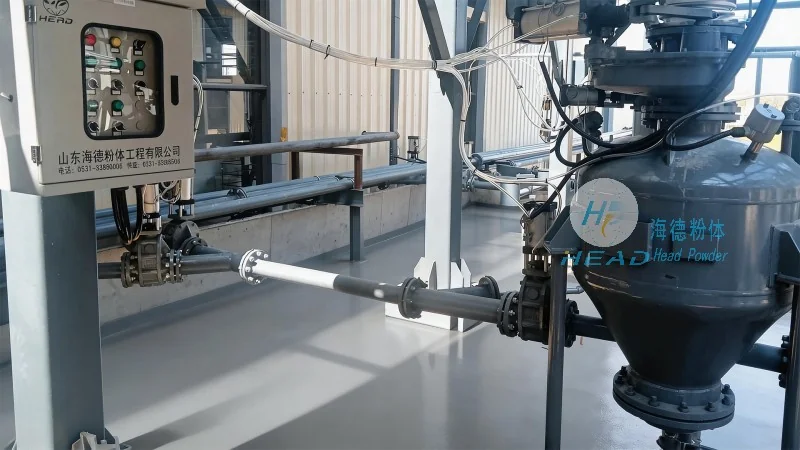
Plugging type pneumatic conveying systems are widely used in various industrial sectors due to their ability to handle a wide range of materials, including fine powders, granules, and even abrasive or corrosive substances. Some of the key benefits of these systems include:
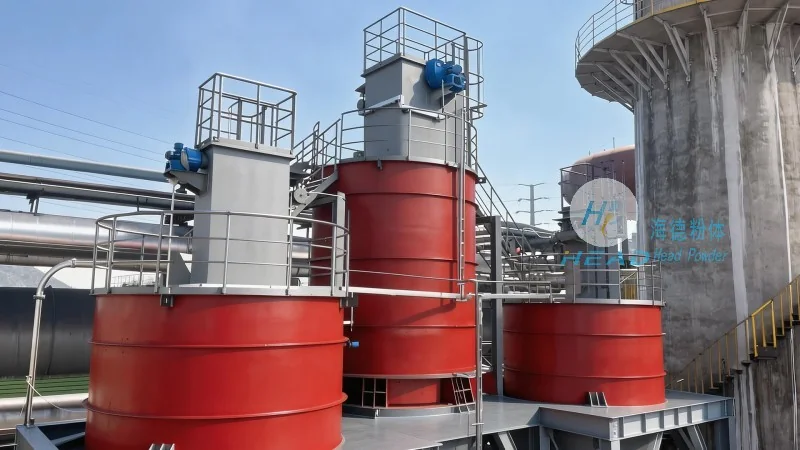
HeadPowder, a division of Shandong HeadPowder Engineering Co., Ltd., is a renowned manufacturer and supplier of advanced pneumatic conveying systems, including plugging type solutions. With a strong commitment to innovation and quality, HeadPowder has established itself as a trusted partner in the material handling industry. The company's headquarters is located in Shandong, China, where it leverages its expertise and state-of-the-art manufacturing facilities to develop and produce high-performance conveying equipment.
HeadPowder's team of engineers and technicians specializes in designing customized pneumatic conveying systems tailored to the specific needs of clients. By combining years of industry experience with cutting-edge technology, HeadPowder ensures that its products meet the highest standards of efficiency, reliability, and durability. The company's focus on customer satisfaction and technical support has earned it a reputation for delivering solutions that enhance operational efficiency and reduce costs for its clients.
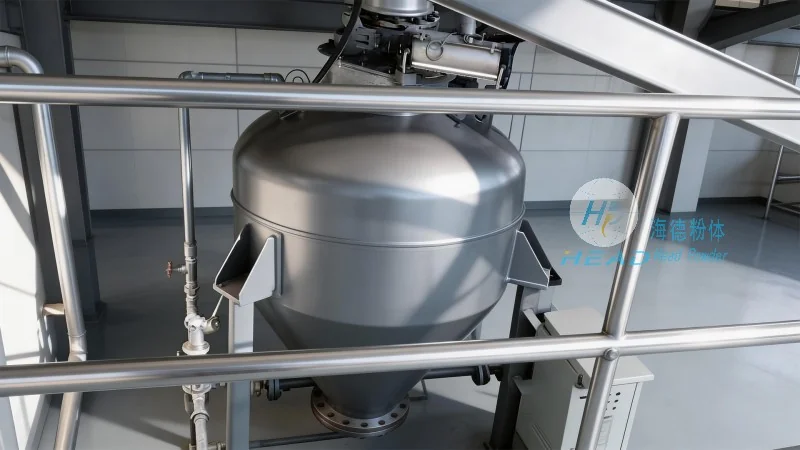
Whether for new installations or retrofitting existing systems, HeadPowder provides comprehensive services, including system design, installation, and after-sales support. The company's commitment to excellence and customer-centric approach makes it a preferred choice for businesses seeking reliable and effective material handling solutions.

 Shandong Headpowder Engineering Co., Ltd.
 156-6277-7102(Manager Zhang)
  0531-83386006
  Zhangqiu District, Jinan City, Shandong Province, China
telephone
WeChatconsult
top