With more than 10‑year industry experience, Shandong Headpowder delivers full‑service pneumatic‑conveying systems and blowers, undertaking nationwide turn‑key powder‑handling projects.
HeadPowder, a leading provider of material handling solutions, specializes in the design and implementation of pneumatic conveying systems tailored for thermoplastic polyurethane (TPU) materials. This article delves into the operational process and underlying principles of such systems, highlighting the efficiency and reliability they offer in industrial applications.
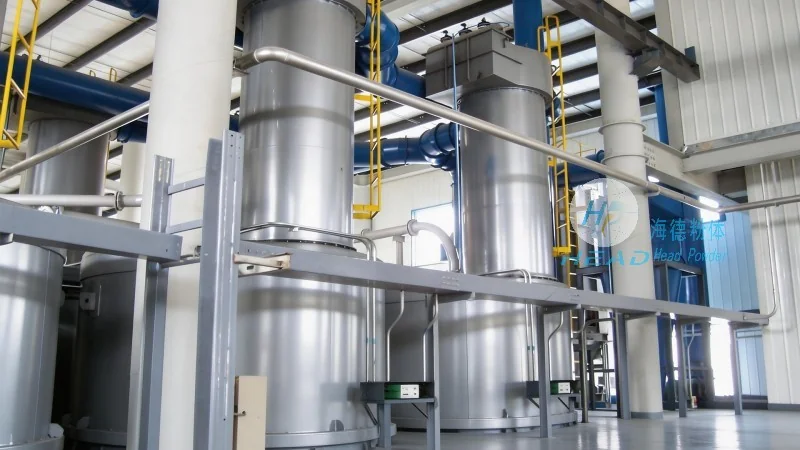
The pneumatic conveying system for thermoplastic polyurethane materials typically comprises several key components that work in concert to ensure smooth material transport. These include a hopper for material storage, a feeder to control the flow rate, a conveying line (often equipped with airlocks or rotary valves), and a receiver for the discharged material. The system may also incorporate a blower or compressor to generate the necessary air pressure, and a filter system to maintain air quality and prevent material contamination.
The operation of the system begins with the loading of thermoplastic polyurethane pellets or granules into the hopper. The feeder then regulates the material discharge rate, ensuring a consistent flow into the conveying line. Simultaneously, the blower or compressor supplies compressed air, which is introduced into the conveying line at strategic points. As the air flows through the line, it entrains the polyurethane particles, creating a slurry-like mixture that is propelled toward the receiver. The airlocks or rotary valves at the discharge end of the line control the release of material into the receiver, preventing backflow and maintaining system pressure.
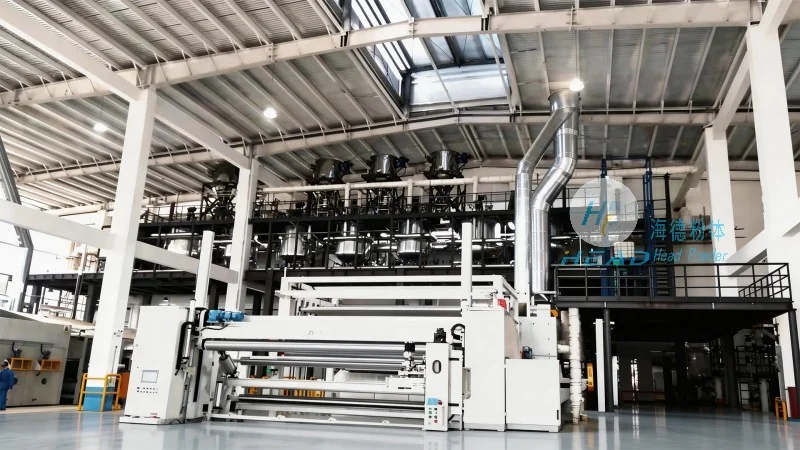
The fundamental principle behind the pneumatic conveying of thermoplastic polyurethane materials is air entrainment and fluidization. When compressed air is introduced into the conveying line, it creates a low-pressure zone that draws the polyurethane particles into the air stream. This process, known as fluidization, allows the particles to be suspended and transported efficiently. The velocity of the air, as well as the size and density of the polyurethane particles, are critical factors that determine the system's performance. Proper air velocity ensures that the particles remain entrained without excessive wear on the system components, while maintaining sufficient pressure to overcome friction losses in the conveying line.
HeadPowder's pneumatic conveying systems for thermoplastic polyurethane materials offer several advantages, including dust-free operation, reduced material degradation, and the ability to transport materials over long distances without the need for mechanical components like conveyor belts or buckets. These systems are widely used in manufacturing processes where precision and cleanliness are paramount, such as in the production of automotive parts, medical devices, and consumer goods. The systems are also designed to handle varying material characteristics, including different particle sizes and moisture content, making them versatile for diverse industrial applications.
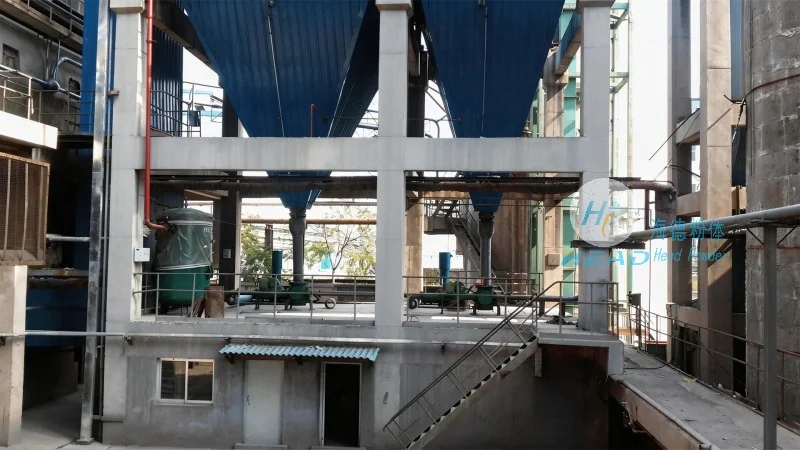
To ensure optimal performance and longevity of the pneumatic conveying system, regular maintenance is essential. This includes checking and replacing air filters to prevent clogging, inspecting the feeder and airlocks for wear and tear, and monitoring air pressure and flow rates. Proper maintenance not only extends the system's lifespan but also ensures consistent material quality and system efficiency. Additionally, HeadPowder provides comprehensive support and training to clients, helping them maximize the system's performance and minimize downtime.
HeadPowder Engineering, based in Shandong, China, is a reputable company specializing in the design, manufacturing, and installation of advanced material handling systems. With years of experience in the industry, HeadPowder has developed a strong reputation for delivering high-quality, reliable solutions tailored to the specific needs of its clients. The company's commitment to innovation and customer satisfaction has made it a trusted partner for businesses seeking efficient and effective material transport solutions.

 Shandong Headpowder Engineering Co., Ltd.
 156-6277-7102(Manager Zhang)
  0531-83386006
  Zhangqiu District, Jinan City, Shandong Province, China
telephone
WeChatconsult
top