With more than 10‑year industry experience, Shandong Headpowder delivers full‑service pneumatic‑conveying systems and blowers, undertaking nationwide turn‑key powder‑handling projects.
Shandong HeadPowder Engineering Co., Ltd., commonly known as HeadPowder, specializes in the design, manufacturing, and installation of advanced pneumatic conveying systems for various industrial applications. This article provides a detailed overview of the operation process and working principle of a PTFE material pneumatic conveying system, highlighting the key components, operational steps, and technical aspects that ensure efficient and reliable material handling.
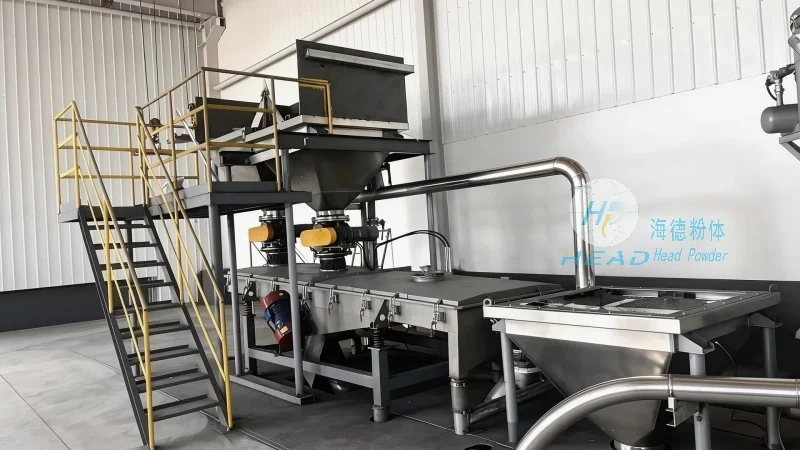
The PTFE material pneumatic conveying system typically consists of several critical components that work in tandem to transport PTFE particles from the source to the destination. These components include the material hopper, feeder, air compressor, conveying line, and receiving hopper. Each component plays a vital role in the overall system performance and efficiency.
The material hopper is the initial storage container where PTFE raw material is loaded. It is designed with a specific geometry to ensure uniform material flow and prevent clogging. The feeder, often a rotary valve or a screw feeder, regulates the flow rate of PTFE material into the conveying line. This component is crucial for maintaining a consistent material feed, which directly impacts the system's throughput and stability.
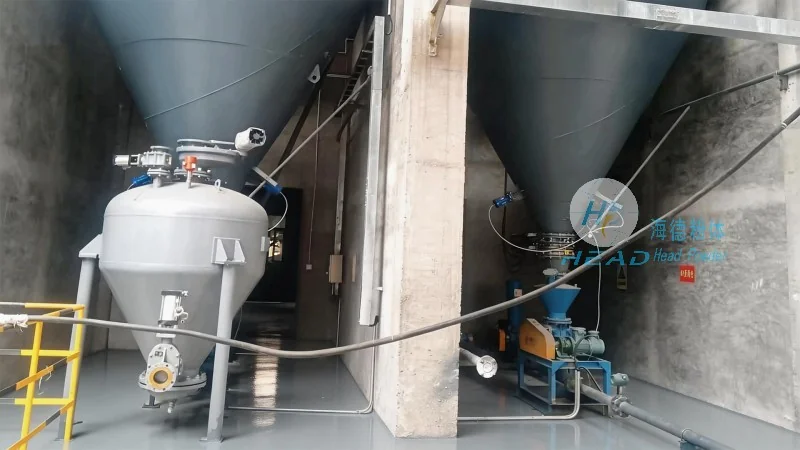
The air compressor generates the necessary pressure and airflow to move PTFE particles through the conveying line. The conveying line, usually made of stainless steel or other corrosion-resistant materials, is equipped with appropriate fittings and elbows to guide the material along the desired path. The pressure and flow rate of the air are carefully controlled to ensure that PTFE particles are transported without degradation or damage.
The working principle of the PTFE material pneumatic conveying system is based on the principle of fluidization and pneumatic transport. When air is introduced into the conveying line at a sufficient velocity, it creates a low-pressure zone that draws PTFE particles from the hopper into the line. The particles are then suspended in the air stream and transported to the receiving hopper. The system operates under either positive pressure or negative pressure, depending on the specific application and material characteristics.
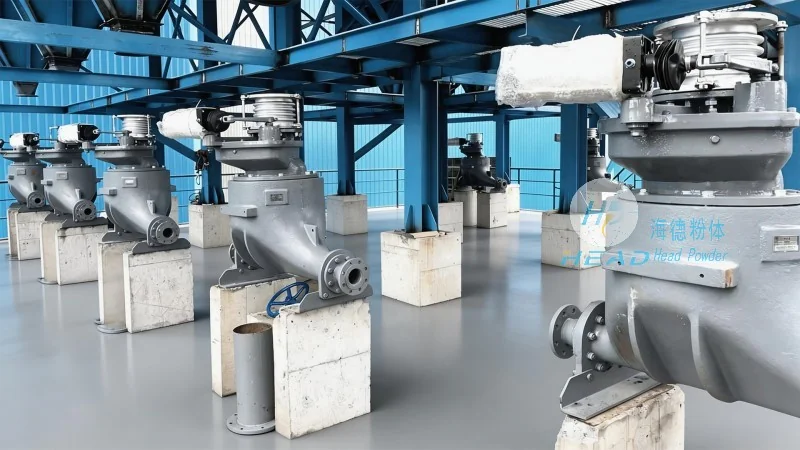
The operation process of the PTFE material pneumatic conveying system involves several sequential steps to ensure smooth and continuous material handling. The first step is the loading of PTFE material into the hopper. Once the hopper is filled, the feeder starts to release the material at a controlled rate. Simultaneously, the air compressor begins to operate, generating the required airflow. The air flows through the conveying line, creating a pressure differential that pulls the PTFE particles into the line. The particles are then transported to the receiving hopper, where they are collected and stored. The system continues to operate until the material in the hopper is depleted or the desired amount has been transferred.
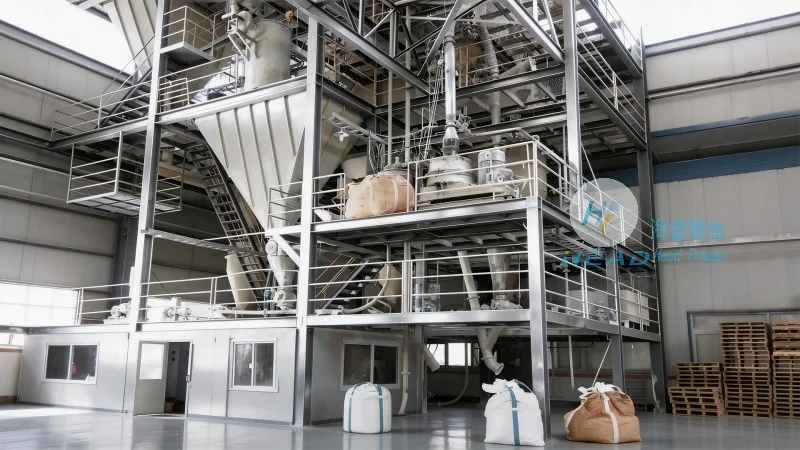
To ensure the long-term reliability and efficiency of the PTFE material pneumatic conveying system, regular maintenance is essential. This includes checking the air compressor for proper operation, inspecting the conveying line for blockages or wear, and cleaning the hopper and feeder to prevent material buildup. Additionally, performance optimization techniques such as adjusting the air flow rate, modifying the feeder settings, or upgrading components can enhance the system's throughput and reduce operational costs.
Shandong HeadPowder Engineering Co., Ltd. provides high-quality PTFE material pneumatic conveying systems that are designed to meet the specific needs of industrial applications. By understanding the operation process and working principle of these systems, users can optimize their material handling processes, improve efficiency, and reduce downtime. With its expertise in engineering and manufacturing, HeadPowder continues to deliver reliable and efficient solutions for PTFE material transportation.

 Shandong Headpowder Engineering Co., Ltd.
 156-6277-7102(Manager Zhang)
  0531-83386006
  Zhangqiu District, Jinan City, Shandong Province, China
telephone
WeChatconsult
top