With more than 10‑year industry experience, Shandong Headpowder delivers full‑service pneumatic‑conveying systems and blowers, undertaking nationwide turn‑key powder‑handling projects.
Refractory material pneumatic conveying equipment is a specialized system designed for the efficient and safe transport of refractory materials, which are crucial in various industrial applications such as metallurgy, ceramics, and chemical processing. These materials often have unique properties, including high temperature resistance, chemical inertness, and sometimes abrasive characteristics, making conventional bulk material handling methods less suitable. Pneumatic conveying offers a solution by using air as the conveying medium to move powders or granules through a pipeline system.
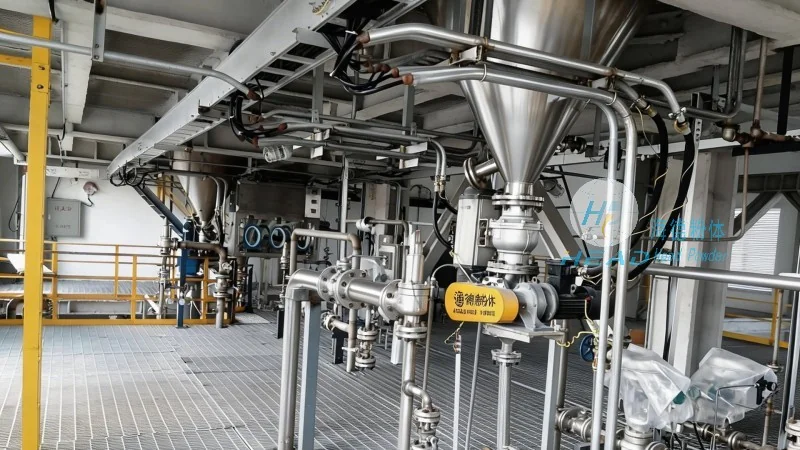
The design of refractory material pneumatic conveying equipment typically involves several key components that work in tandem to ensure reliable operation. The primary components include the material hopper or feeder, which stores and feeds the refractory material into the system. A blower or compressor provides the necessary air pressure to generate the conveying airflow. The pipeline network, often made of materials resistant to high temperatures and corrosion, transports the material from the source to the destination. Additionally, there are control valves and sensors that regulate the flow rate and monitor system performance. For refractory materials that may be sensitive to moisture or air exposure, some systems incorporate dust collection and filtration units to maintain material quality and environmental safety.
The design principles of refractory material pneumatic conveying equipment focus on optimizing the conveying process to minimize energy consumption, maximize material throughput, and ensure the integrity of the refractory material. One of the fundamental design considerations is the selection of the appropriate conveying method, which can be categorized into pressure, vacuum, or mixed systems. Pressure systems use positive pressure to push material through the pipeline, while vacuum systems use negative pressure to pull material. Mixed systems combine both approaches for more complex material handling needs. The choice of method depends on factors such as material properties, distance to be conveyed, and system layout. Another critical design aspect is the air velocity and pressure drop along the pipeline. Maintaining an optimal air velocity ensures that the material particles are fully suspended and transported without settling or blockages. The pressure drop across the system must be managed to prevent excessive energy consumption and to ensure sufficient pressure at the discharge point. The design also considers the material's particle size distribution and density, as these factors influence the required air flow rate and system capacity. For refractory materials with high abrasiveness, the pipeline and components are often constructed from durable materials like stainless steel or special alloys to withstand wear and extend the equipment's service life.
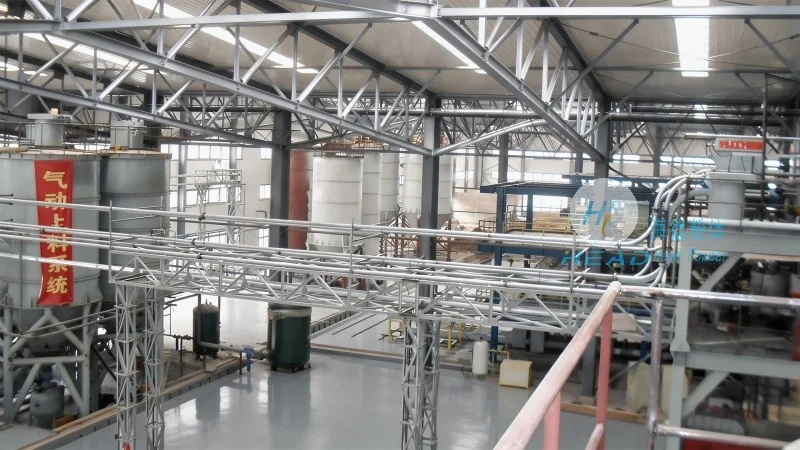
Implementing refractory material pneumatic conveying equipment offers several advantages over traditional handling methods. Firstly, it provides a dust-free and enclosed transport process, which enhances workplace safety and reduces environmental contamination. Unlike belt conveyors or bucket elevators, pneumatic systems keep the material contained within the pipeline, minimizing dust emissions and the risk of material spillage. Secondly, the system allows for flexible and space-saving layouts, as the pipeline can be routed along walls or overhead, optimizing plant floor space. This is particularly beneficial in facilities with limited space or complex production layouts. Thirdly, pneumatic conveying enables precise control over material flow rates and destination, which is essential for processes that require accurate dosing or batching. The ability to integrate with automated control systems further enhances operational efficiency and reduces human error. Additionally, the system can handle a wide range of refractory materials, from fine powders to larger granules, making it versatile for various industrial applications. The overall operational cost, when considering energy efficiency and reduced maintenance due to fewer moving parts compared to mechanical conveyors, can be lower in the long run.
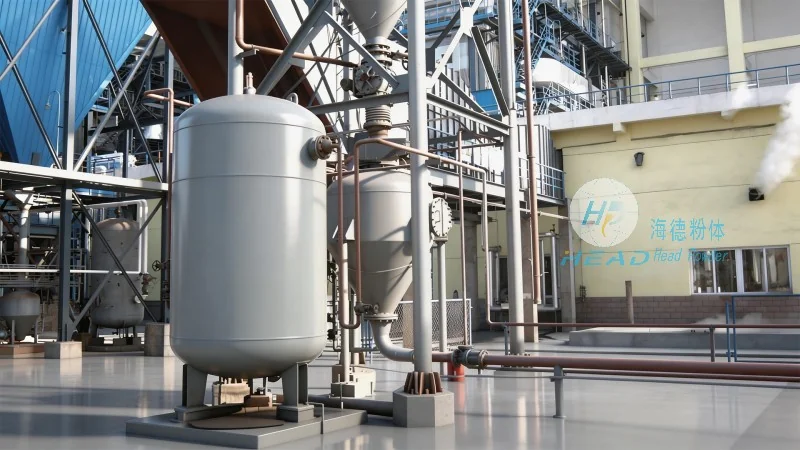
Refractory material pneumatic conveying equipment is widely used in industrial settings where refractory materials are a critical component. In the metallurgical industry, these systems are employed to transport raw materials like alumina, silica, and other refractory powders to furnaces and kilns. The precise control and enclosed transport ensure that the materials remain pure and free from contamination, which is vital for maintaining the quality of the final metal products. In the ceramics industry, pneumatic conveying is used to move clay, feldspar, and other raw materials to mixing and processing equipment. The ability to handle fine powders without caking or agglomeration is crucial for achieving consistent product quality. In the chemical processing industry, refractory materials are used in reactors and heat exchangers, and pneumatic conveying systems efficiently deliver these materials to the processing units. The system's ability to handle abrasive and high-temperature materials makes it suitable for harsh industrial environments where other conveying methods may fail.
Refractory material pneumatic conveying equipment, with its robust design and efficient operation, plays a vital role in modern industrial processes. The system's ability to handle refractory materials safely and effectively addresses the challenges posed by these materials' unique properties. Shandong HeadPowder Engineering Co., Ltd., a leading manufacturer in this field, specializes in designing and manufacturing high-quality pneumatic conveying systems tailored to the specific needs of various industries. With a focus on innovation and quality, the company ensures that its equipment meets the highest standards of performance and reliability. Based in Shandong, China, HeadPowder provides comprehensive solutions for material handling, including customized designs, installation, and after-sales support. By leveraging advanced engineering principles and using durable materials, HeadPowder's pneumatic conveying equipment delivers long-term value and operational efficiency to its clients, supporting their production processes and contributing to their success in the competitive industrial landscape.

 Shandong Headpowder Engineering Co., Ltd.
 156-6277-7102(Manager Zhang)
  0531-83386006
  Zhangqiu District, Jinan City, Shandong Province, China
telephone
WeChatconsult
top