With more than 10‑year industry experience, Shandong Headpowder delivers full‑service pneumatic‑conveying systems and blowers, undertaking nationwide turn‑key powder‑handling projects.
For agricultural and industrial applications, the efficient handling of bulk materials like rapeseed is crucial. Rapeseed pneumatic conveying equipment plays a vital role in this process, offering a reliable method for transporting seeds and other granular materials. This equipment utilizes air pressure to move materials through a system of pipes, ensuring a clean and efficient transfer without the need for mechanical components that might cause contamination or damage to the product.
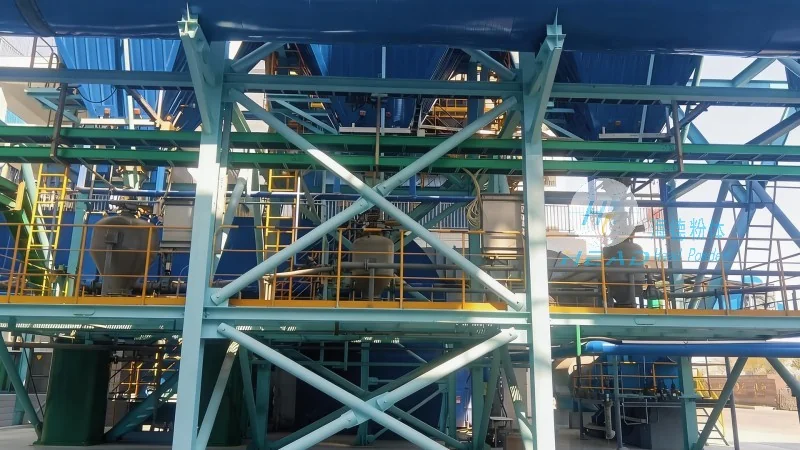
Rapeseed pneumatic conveying equipment is a specialized system designed to transport rapeseed from one location to another within a processing facility. The core components typically include a hopper for material storage, a conveyor line made of flexible or rigid pipes, and a blower or fan that generates the air pressure needed to move the seeds. The system operates by introducing air into the pipe, creating a flow that carries the rapeseed particles along the path. This method is particularly advantageous for handling delicate or sensitive materials, as it minimizes physical contact and reduces the risk of breakage or contamination.
The design of rapeseed pneumatic conveying equipment is based on several key principles that ensure optimal performance and efficiency. One of the primary principles is the use of air velocity and pressure to maintain a consistent flow of material. Engineers calculate the appropriate air velocity to ensure that the rapeseed particles are carried without settling or clogging the pipes. This involves considering factors such as the size and density of the rapeseed, as well as the length and diameter of the conveyor line. Another critical design principle is the selection of appropriate materials for the components. The pipes and hoppers are often made from food-grade stainless steel or other corrosion-resistant materials to prevent contamination and ensure durability. The blower or fan is designed to provide sufficient air volume and pressure to overcome resistance in the system, including friction from the pipes and any bends or fittings.
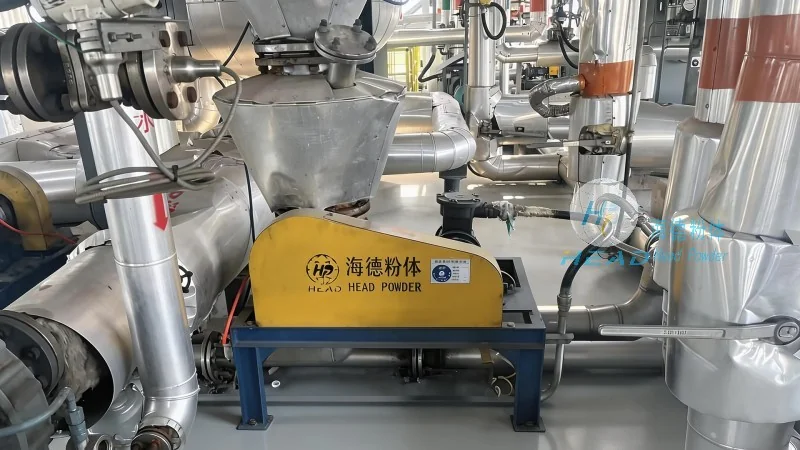
Several key components work together to make rapeseed pneumatic conveying equipment effective. The hopper serves as the initial storage and feeding point, ensuring a steady supply of rapeseed into the system. The conveyor line, which can be flexible (like plastic or rubber hoses) or rigid (metal pipes), transports the material through the system. The blower or fan is the power source, generating the air pressure needed to move the seeds. The system may also include filters or cyclones to separate the air from the rapeseed particles at the end of the conveyor, allowing the air to be recirculated or vented, and the rapeseed to be collected in a receiving bin. Each component is carefully designed to work in harmony, ensuring smooth and efficient operation.
There are several advantages to using rapeseed pneumatic conveying equipment in agricultural and industrial settings. One of the main benefits is the ability to transport materials in a clean and hygienic manner, which is essential for food processing applications. The system eliminates the need for manual handling, reducing the risk of contamination from human contact. Additionally, pneumatic conveying is more efficient than traditional methods like bucket elevators or belt conveyors, as it can handle materials over longer distances with less energy consumption. The equipment is also relatively compact and can be easily integrated into existing processing facilities, making it a flexible solution for various applications. Furthermore, the system can be designed to handle different types of materials, including other seeds or grains, making it a versatile tool for bulk material handling.
Rapeseed pneumatic conveying equipment is widely used in the processing of rapeseed for oil extraction and other applications. In oil mills, the equipment is used to transport rapeseed from storage bins to the extraction machinery, ensuring a continuous flow of raw material. The system can also be used to move processed products, such as rapeseed meal or oil, from one part of the facility to another. In addition to oil processing, the equipment is used in seed cleaning and sorting operations, where it helps to transport seeds to different stages of processing, such as cleaning, grading, or packaging. The versatility of the system makes it suitable for a wide range of applications within the rapeseed processing industry.
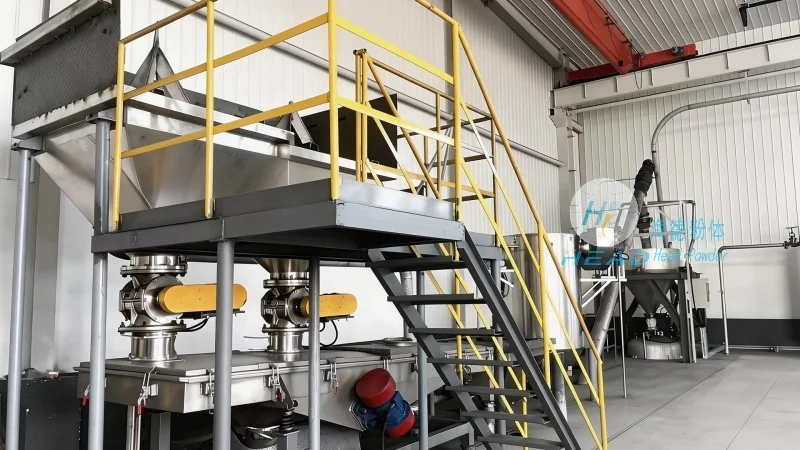
Many manufacturers, such as Shandong HeadPowder Engineering Co., Ltd., offer customized rapeseed pneumatic conveying equipment to meet the specific needs of their clients. These companies can design systems tailored to the size and capacity requirements of a processing facility, as well as the type of rapeseed being handled. The equipment can be integrated with existing processing lines, ensuring a seamless flow of materials from one stage to the next. Customization may include adjustments to the hopper size, conveyor line length and diameter, or the power of the blower. Additionally, manufacturers may offer options for material handling, such as the use of flexible hoses for easy maneuverability or rigid pipes for high-pressure applications. The goal of customization is to provide a system that is efficient, reliable, and cost-effective for the specific application.
Proper maintenance is essential to ensure the long-term performance and efficiency of rapeseed pneumatic conveying equipment. Regular cleaning of the hopper and conveyor line is necessary to prevent the buildup of material and ensure smooth operation. The blower or fan should be checked regularly for proper air pressure and volume, as any issues can lead to reduced efficiency or clogging. Filters and cyclones should be inspected and cleaned as needed to prevent blockages and maintain air quality. Additionally, the system should be checked for any signs of wear and tear, such as leaks or damage to the pipes, which could affect performance. Proper training of operators is also important to ensure that the equipment is used correctly and maintained properly. By following these maintenance and operational guidelines, the equipment can provide reliable service for many years.

 Shandong Headpowder Engineering Co., Ltd.
 156-6277-7102(Manager Zhang)
  0531-83386006
  Zhangqiu District, Jinan City, Shandong Province, China
telephone
WeChatconsult
top