Operation Process and Working Principle of Multi-Hopper Pneumatic Material Conveying Equipment
Release time:2026-09-21 11:01:46
name of the company:Shandong Headpowder Engineering Co., Ltd.
telephone:156-6277-7102
contacts:Manager Zhang
Multi-hopper pneumatic material conveying equipment is a sophisticated system designed for efficient bulk material transport in industrial settings. This equipment, commonly used in various industries such as mining, chemical processing, and food processing, plays a crucial role in enhancing production efficiency and ensuring safe material handling. The operation process and working principle of this equipment are integral to understanding its functionality and benefits.
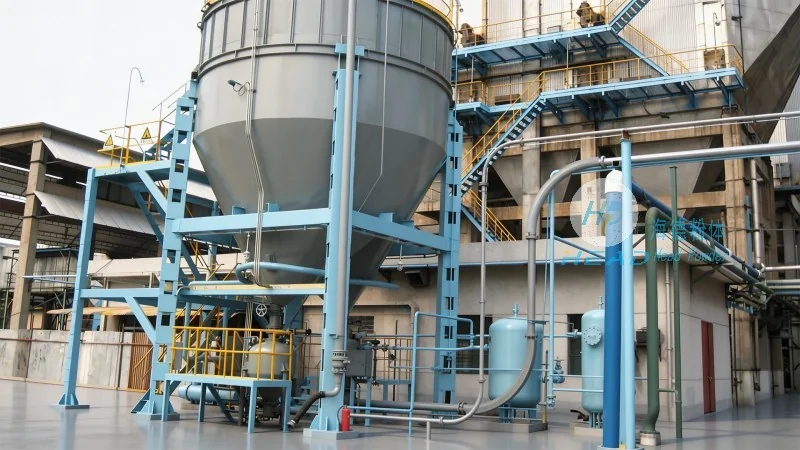
Introduction to Multi-Hopper Pneumatic Conveying Systems
Multi-hopper pneumatic conveying systems are engineered to handle a wide range of bulk materials, including powders, granules, and fine particles. These systems are characterized by multiple hoppers that serve as storage and feeding units, allowing for the sequential or simultaneous transfer of materials through a network of pipes and a central air system. The design of such equipment ensures flexibility in material handling, enabling it to adapt to varying production demands and material characteristics.
Key Components of Multi-Hopper Pneumatic Conveying Equipment
The multi-hopper pneumatic conveying system comprises several critical components that work in tandem to facilitate material transport. These include:
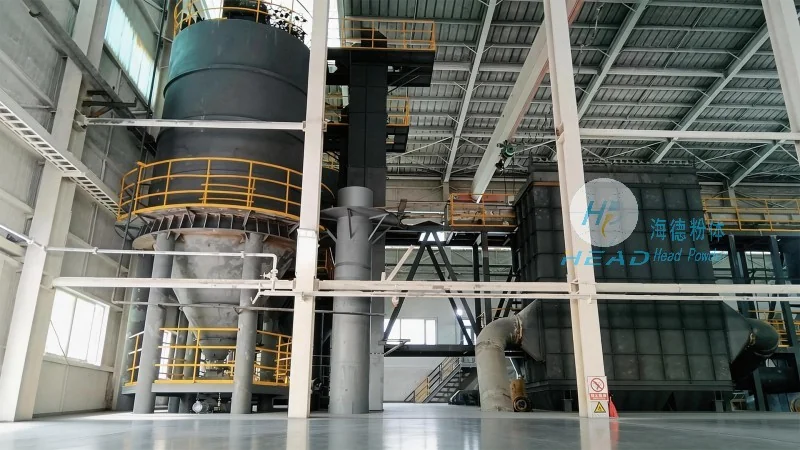
- Multiple Hoppers: Each hopper is designed to store a specific type of material, allowing for segregation and controlled feeding. The hoppers are equipped with valves and feeders to regulate the flow of material into the conveying line.
- Air Compressor and Blower: A powerful air compressor or blower generates the necessary air pressure to create a flow of air through the conveying pipes. This air pressure is essential for transporting the material particles in a pneumatic manner.
- Conveying Pipes: The system utilizes a network of pipes to connect the hoppers to the receiving point. The pipes are typically made of durable materials like stainless steel or plastic to withstand the abrasive nature of the materials being transported.
- Control System: An advanced control system monitors and regulates the operation of the entire conveying process. This system ensures precise control over material flow, air pressure, and system safety, minimizing downtime and operational risks.
Working Principle of Multi-Hopper Pneumatic Conveying
The working principle of multi-hopper pneumatic conveying equipment is based on the principle of pneumatic transport, where material particles are suspended and transported by a high-velocity air stream. The process typically involves the following steps:
- Material Loading: The material is loaded into each hopper from a storage silo or bulk container. The hoppers are equipped with level sensors to indicate when the material needs to be replenished.
- Feeding and Air Injection: As the material is drawn from the hopper, an air compressor injects high-pressure air into the conveying pipe. The air and material mixture is then propelled through the pipe network.
- Transport and Separation: The air stream carries the material particles through the pipes to the receiving hopper or destination point. At the end of the conveying line, a separator or cyclone separates the material from the air, allowing the material to be deposited in the receiving container.
- Air Filtration and Recirculation: The air, now containing fine particles, passes through a filtration system to remove any residual material. The filtered air is then recirculated back into the system, reducing energy consumption and environmental impact.
Operation Process of Multi-Hopper Pneumatic Conveying Equipment
The operation process of multi-hopper pneumatic conveying equipment is a systematic sequence of actions that ensures efficient and continuous material transport. The process begins with the preparation of the system and concludes with the completion of material transfer. Here is a detailed breakdown of the operation process:
- System Preparation: Before starting the operation, the system is prepared by checking the air compressor, ensuring all pipes are properly connected, and verifying the functionality of the control system. The hoppers are also checked for material levels and any blockages.
- Material Feeding: The material is fed into the hoppers from the source. The feeders are adjusted to control the flow rate of material into the conveying line, ensuring a consistent and controlled feed.
- Start-up and Air Pressure Adjustment: The air compressor is started, and the air pressure is adjusted to the optimal level for the specific material being transported. The pressure is monitored to maintain the efficiency of the conveying process.
- Conveying and Material Transfer: Once the air pressure is stable, the material is conveyed through the pipes to the receiving point. The control system continuously monitors the flow rate and pressure, making adjustments as needed to maintain optimal performance.
- Receiving and Material Deposition: At the receiving end, the material is deposited into the designated container. The separator ensures that the material is clean and free from air, preventing contamination.
- System Shutdown and Maintenance: After the material transfer is complete, the system is shut down in an orderly manner. The air compressor is turned off, and the pipes are depressurized. Routine maintenance is performed to check for any wear and tear, and to replace any worn components.
Benefits and Applications of Multi-Hopper Pneumatic Conveying Equipment
Multi-hopper pneumatic conveying equipment offers several advantages in industrial material handling. These include:
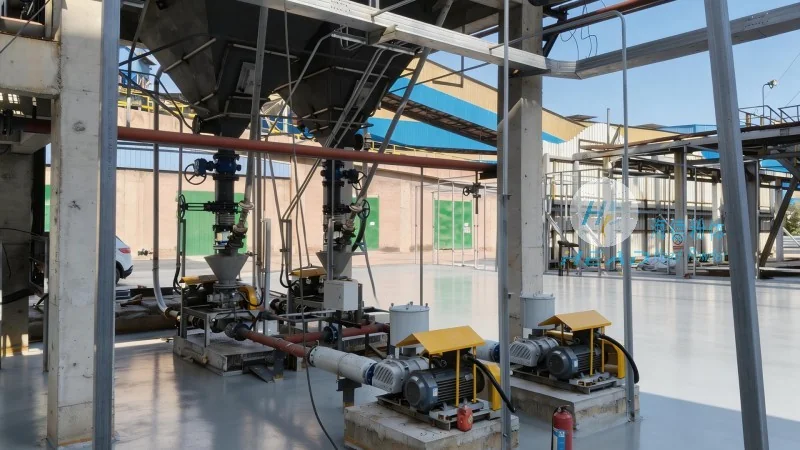
- Efficient Material Transport: The system allows for the rapid and continuous transport of bulk materials over long distances, reducing the need for manual handling and increasing production speed.
- Flexibility and Scalability: The multi-hopper design allows for the handling of multiple materials simultaneously, and the system can be scaled up or down to meet changing production requirements.
- Low Maintenance: The equipment is designed for low maintenance, with durable components that can withstand the abrasive nature of the materials being transported.
- Environmental Benefits: The system uses a closed-loop air system, reducing dust emissions and minimizing environmental impact.
These benefits make multi-hopper pneumatic conveying equipment suitable for a wide range of applications, including:
- Mining and mineral processing for transporting ore and minerals.
- Chemical processing for handling powders and granules.
- Food processing for transporting ingredients and products.
- Pharmaceutical manufacturing for handling raw materials and finished products.
Conclusion
Multi-hopper pneumatic material conveying equipment is a vital component in modern industrial operations, providing efficient, flexible, and safe material transport solutions. The operation process and working principle of this equipment are designed to optimize performance while minimizing operational costs and environmental impact. With its ability to handle a wide range of materials and adapt to varying production demands, this equipment is an essential tool for industries seeking to enhance their production efficiency and maintain high standards of material handling.

 Shandong Headpowder Engineering Co., Ltd.
 156-6277-7102(Manager Zhang)
  0531-83386006
  Zhangqiu District, Jinan City, Shandong Province, China