

Operating Process and Working Principle of Lithium Manganese Oxide Powder Conveying Line
Shandong HeadPowder Engineering Co., Ltd., commonly known as HeadPowder, specializes in the design and manufacturing of advanced powder conveying systems. The company is headquartered in Shandong, China, and has established itself as a leading provider of solutions tailored for handling lithium manganese oxide (LMO) powders, which are critical components in lithium-ion battery production. This article delves into the operational process and working principles of a typical LMO powder conveying line, highlighting the key components, functions, and efficiency aspects of such systems.

Key Components of the Conveying Line
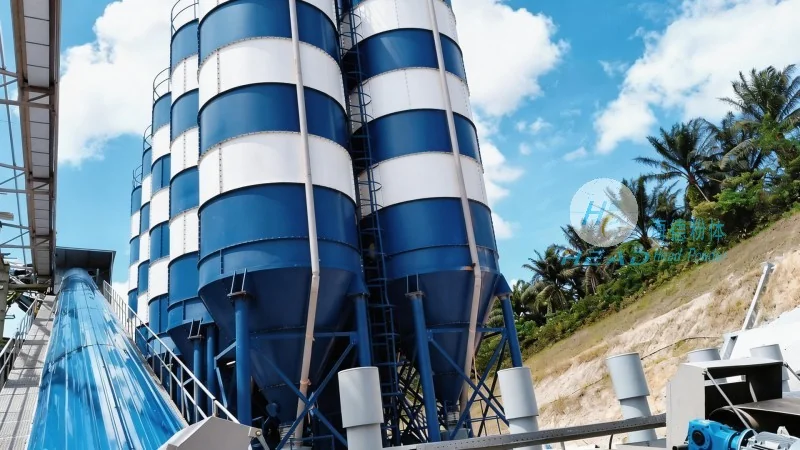
The lithium manganese oxide powder conveying line typically consists of several interconnected components that work in tandem to ensure safe, efficient, and reliable material transport. The primary components include a hopper for material storage, a feeder to control the flow rate, a conveyor system (such as a screw or pneumatic conveyor) to move the powder, and a dust collection system to maintain air quality and prevent contamination. Each component is designed to handle the specific properties of LMO powder, which is known for its fine particle size and potential for static charge accumulation.
Operating Process of the Conveying Line
The operation of the LMO powder conveying line begins with the loading of the hopper. The hopper is equipped with a level indicator to monitor the material volume, ensuring that the feeder receives a consistent feed. The feeder, often a rotary valve or a vibratory feeder, regulates the flow rate of the powder into the conveyor. This step is crucial as it prevents overloading or underloading of the conveyor, which could lead to blockages or uneven material distribution. The conveyor then transports the powder from the hopper to the processing or packaging area. During this process, the system may incorporate features such as a magnetic separator to remove metal contaminants, or a de-dusting unit to control airborne particles. The entire process is typically automated, with sensors and control systems monitoring parameters like flow rate, pressure, and temperature to maintain optimal performance.
Working Principles of the Conveying System
The conveying line operates on the principle of mechanical or pneumatic transport, depending on the specific design. Mechanical conveyors, such as screw or belt conveyors, use rotating parts to move the powder along a fixed path. The screw conveyor, for example, consists of a helical screw inside a tube, which rotates to push the powder forward. This method is effective for handling dry, free-flowing powders like LMO, as it provides consistent and controlled movement. Pneumatic conveyors, on the other hand, use air pressure to transport the powder through a pipeline. This approach is particularly useful for handling powders that are sensitive to mechanical stress or require a more enclosed system to prevent contamination. The working principle involves creating a pressure differential between the inlet and outlet of the pipeline, which propels the powder along with the air stream. Both mechanical and pneumatic systems are designed to minimize material degradation and ensure that the powder remains in its original state throughout the conveying process.
Ensuring Efficiency and Safety in Operation
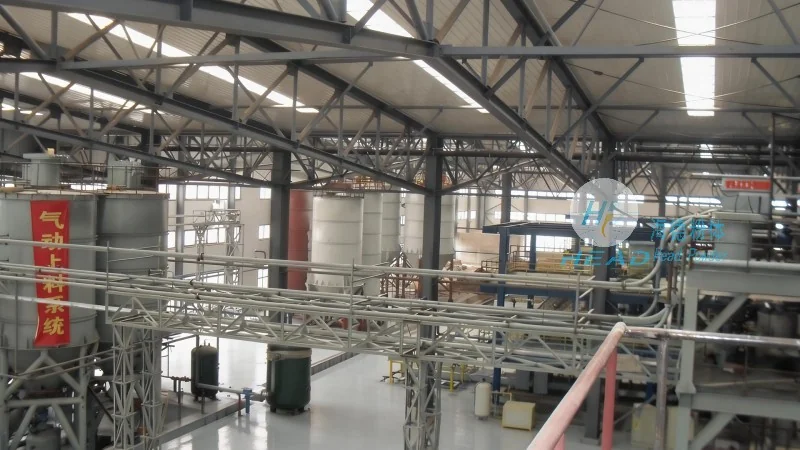
Efficiency and safety are paramount in the operation of an LMO powder conveying line. The system is equipped with various safety features, including explosion-proof designs for pneumatic conveyors, to handle the potential for static electricity buildup in the powder. Additionally, the use of closed-loop systems and proper sealing of components helps to prevent dust emissions and maintain a clean working environment. Regular maintenance is also critical to ensure the longevity and reliability of the equipment. This includes checking for wear and tear on conveyor components, cleaning filters and dust collectors, and calibrating sensors and control systems. By adhering to these practices, the conveying line can operate at peak efficiency, minimizing downtime and maximizing productivity.