With more than 10‑year industry experience, Shandong Headpowder delivers full‑service pneumatic‑conveying systems and blowers, undertaking nationwide turn‑key powder‑handling projects.
Cellulose, a fundamental organic polymer, is widely used in various industries including paper manufacturing, food processing, and chemical production. Efficient and reliable material handling of cellulose is crucial for optimizing production processes and maintaining product quality. One of the most effective methods for transporting cellulose is through pneumatic conveying systems. This article explores what a cellulose pneumatic conveying system is and delves into its core design principles.
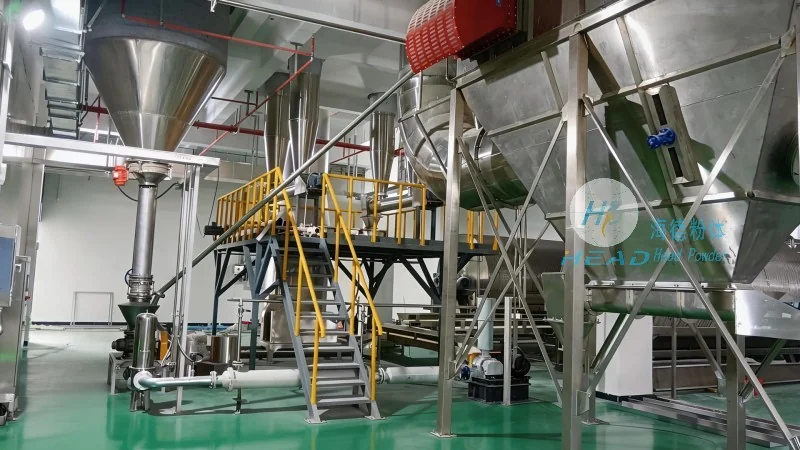
A cellulose pneumatic conveying system is a mechanical system that uses compressed air or other gas to transport dry, free-flowing materials like cellulose powder or granules from one location to another. Unlike traditional mechanical conveyors, which rely on belts, screws, or buckets, pneumatic systems utilize air pressure to move material through a network of pipes. This method is particularly advantageous for handling fine, dusty, or abrasive materials such as cellulose, as it minimizes product degradation and reduces the risk of contamination.
The effectiveness of a cellulose pneumatic conveying system depends on several critical components working in harmony. These components include:
The design of a cellulose pneumatic conveying system must consider several key principles to ensure efficiency, reliability, and cost-effectiveness. These principles include:
1. Material Characteristics: The physical properties of cellulose, such as particle size, moisture content, and bulk density, significantly influence the system's design. For example, fine cellulose powders may require higher air velocities to prevent clogging, while larger granules may need different pipe diameters and feeding mechanisms.
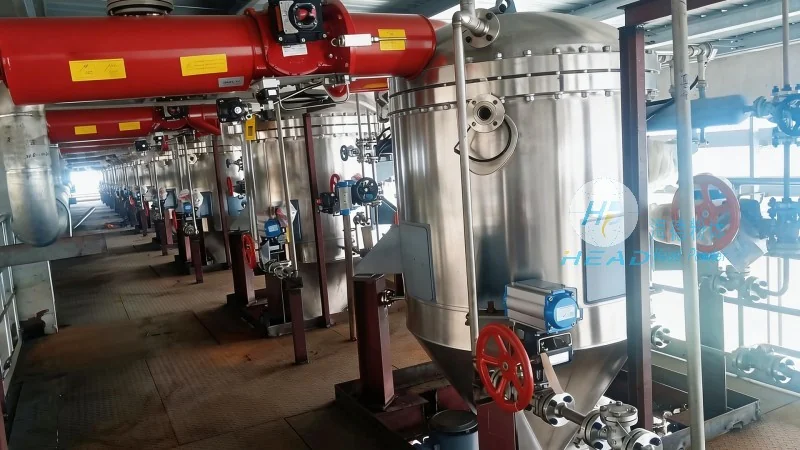
2. System Capacity and Pressure: The system's capacity, measured in terms of material flow rate, and the required air pressure are critical design parameters. The capacity must match the production requirements, while the pressure must be sufficient to overcome friction losses in the pipes and ensure the material reaches its destination.
3. Pipe Sizing and Layout: Proper pipe sizing is essential to maintain the required air velocity and prevent excessive pressure drop. The layout of the conveying line, including the number of bends, vertical lifts, and horizontal runs, must be optimized to minimize energy consumption and avoid material deposition or blockages.
4. Energy Efficiency: Modern pneumatic conveying systems are designed with energy efficiency in mind. This includes selecting high-efficiency blowers or compressors, optimizing pipe diameters to reduce pressure losses, and implementing control strategies that adjust air flow based on actual demand.
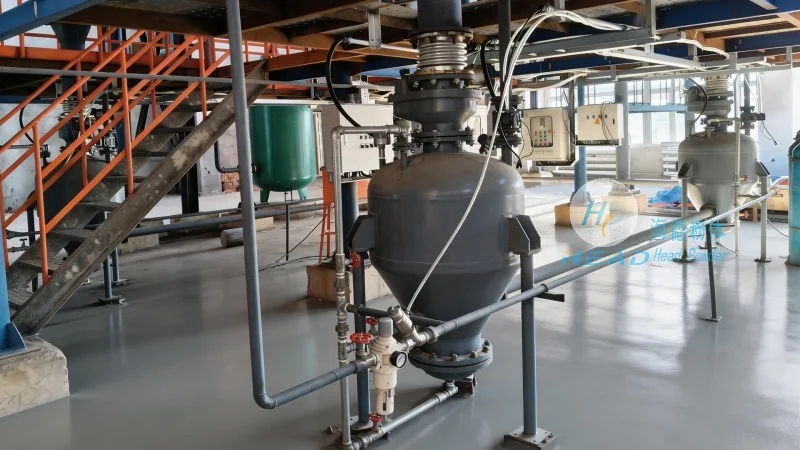
5. Maintenance and Durability: The system's design must account for ease of maintenance and durability. Components such as pipes, valves, and separation equipment are made from materials that can withstand the abrasive nature of cellulose and resist corrosion from moisture or chemicals. Regular maintenance schedules are also incorporated into the design to ensure long-term reliability.
Cellulose pneumatic conveying systems are widely used in various industries due to their versatility and efficiency. Some common applications include:
Compared to traditional mechanical conveyors, cellulose pneumatic conveying systems offer several advantages that make them a preferred choice for many industries:
A cellulose pneumatic conveying system is a sophisticated and efficient method for transporting cellulose materials. By understanding the key components and design principles, industries can optimize their material handling processes, improve product quality, and reduce operational costs. As a leading manufacturer in the field, Shandong HeadPowder Engineering Co., Ltd. specializes in designing and manufacturing high-quality pneumatic conveying systems tailored to the specific needs of cellulose applications. With a focus on durability, efficiency, and reliability, HeadPowder provides solutions that enhance productivity and ensure long-term performance for its clients.

 Shandong Headpowder Engineering Co., Ltd.
 156-6277-7102(Manager Zhang)
  0531-83386006
  Zhangqiu District, Jinan City, Shandong Province, China
telephone
WeChatconsult
top