

What is a Dust Gas-Pneumatic Conveying System? And What Are Its Design Principles?
HeadPowder, a leading provider in the field, offers comprehensive insights into dust gas-pneumatic conveying systems. This article delves into the fundamental aspects of such systems, including their design principles, to help clients understand the technology better.
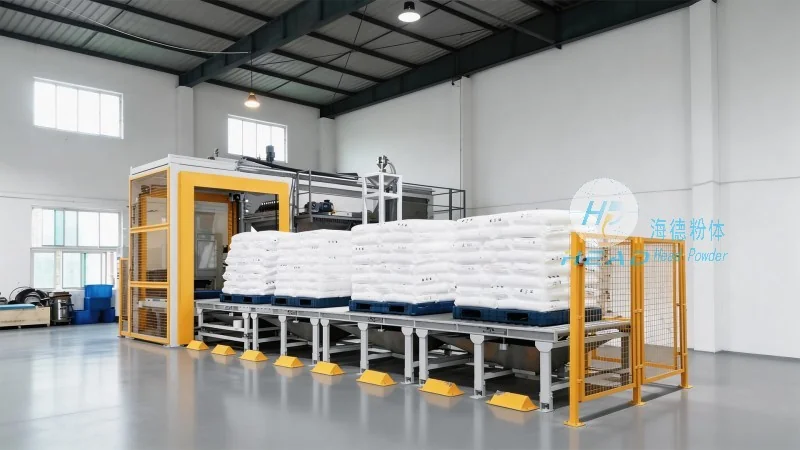
Understanding Dust Gas-Pneumatic Conveying Systems
A dust gas-pneumatic conveying system is a method used to transport fine powders or dust particles through a pipeline using air or other gases as the medium. This technology is widely employed in industries like mining, cement, chemical processing, and food production, where the efficient and safe handling of bulk materials is crucial. The system typically consists of a hopper, a blower or compressor, a pipeline network, and a discharge device. The process involves feeding the material into the hopper, where it is then drawn into the pipeline by the air flow generated by the blower. The air and material mixture travels through the pipeline to the destination point, where the material is separated from the air and collected.
Key Components of a Dust Gas-Pneumatic Conveying System
The effectiveness of a dust gas-pneumatic conveying system depends on several key components working in harmony. The hopper serves as the storage and feeding unit, ensuring a consistent supply of material to the system. The blower or compressor is the heart of the system, providing the necessary air pressure and volume to move the material. The pipeline network connects the hopper to the discharge point and may include bends, elbows, and filters to maintain the flow and prevent blockages. The discharge device, such as a cyclone separator or a bag filter, separates the material from the air and collects it in a container or storage bin.
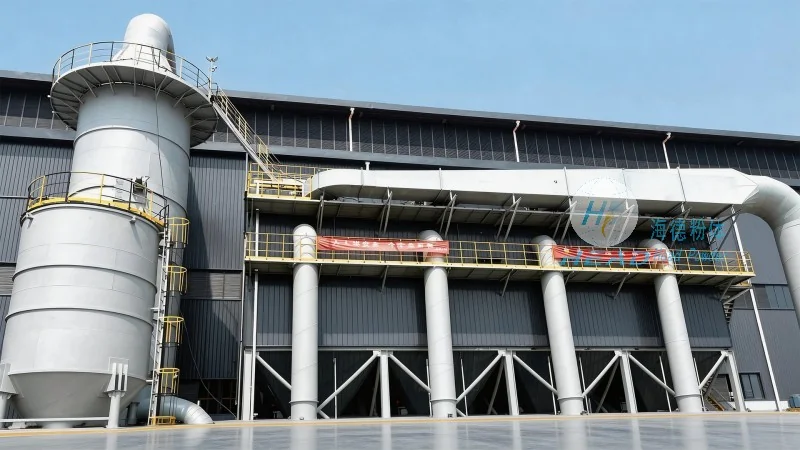
Design Principles for Dust Gas-Pneumatic Conveying Systems
The design of a dust gas-pneumatic conveying system is a critical process that involves several factors to ensure optimal performance and efficiency. One of the primary design principles is the selection of the appropriate air velocity. The air velocity must be high enough to prevent the material from settling in the pipeline but low enough to avoid excessive wear and energy consumption. The system's design also considers the particle size and density of the material, as these properties affect the required air pressure and flow rate. The pipeline diameter and length are carefully calculated to maintain a stable flow and minimize pressure drop. Additionally, the system must be designed to handle the specific characteristics of the material, such as its moisture content and abrasiveness, to prevent clogging and equipment damage.
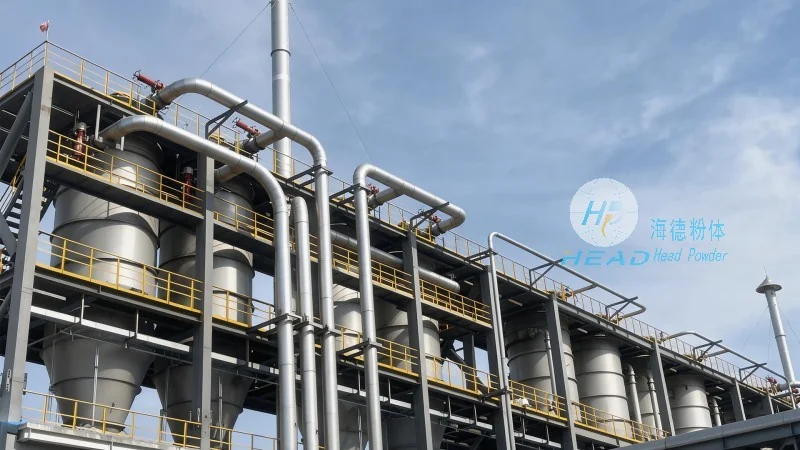
Applications and Benefits of Dust Gas-Pneumatic Conveying Systems
Dust gas-pneumatic conveying systems are widely used in various industrial applications due to their advantages over traditional methods like belt conveyors or bucket elevators. These systems offer several benefits, including the ability to transport materials over long distances, vertical and horizontal transport capabilities, and the option to handle materials in a closed system, which reduces dust emissions and improves safety. The systems are also flexible and can be easily integrated into existing production lines. Furthermore, they can handle a wide range of materials, from fine powders to granules, making them suitable for diverse industrial needs.
Conclusion
HeadPowder Engineering Co., Ltd., based in Shandong, China, specializes in the design, manufacturing, and installation of dust gas-pneumatic conveying systems. Our team of experts ensures that each system is tailored to meet the specific requirements of our clients, considering factors such as material properties, application needs, and operational conditions. By adhering to the design principles outlined above, we deliver reliable and efficient conveying solutions that enhance productivity and safety in industrial operations.