With more than 10‑year industry experience, Shandong Headpowder delivers full‑service pneumatic‑conveying systems and blowers, undertaking nationwide turn‑key powder‑handling projects.
The company, Shandong HeadPowder Engineering Co., Ltd., commonly known as headpowder, is headquartered in Shandong, China. With a focus on powder handling technologies, the company specializes in the design, manufacturing, and implementation of advanced conveying systems for various industrial applications, including those involving molybdenum oxide powders.
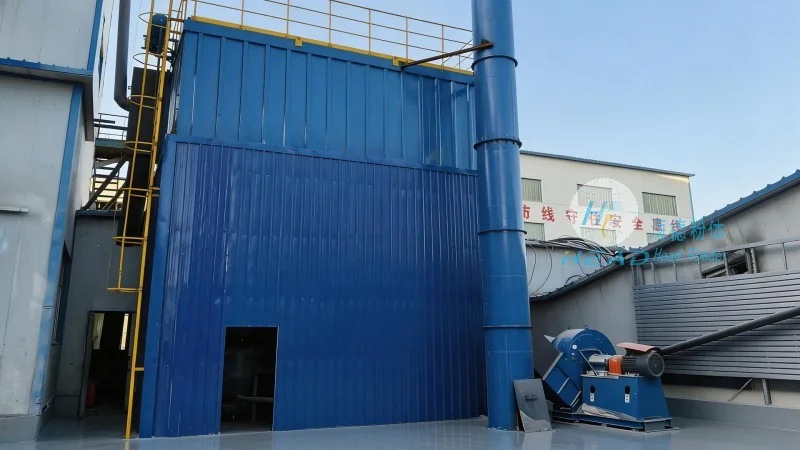
Molybdenum oxide (MoO₃) is a critical industrial material widely used in electronics, catalysts, and high-temperature applications. The molybdenum oxide powder conveying line is engineered to efficiently transport this fine powder from storage to processing units, ensuring minimal loss, contamination, and energy consumption. This system is a cornerstone for industries that rely on consistent and reliable powder handling.
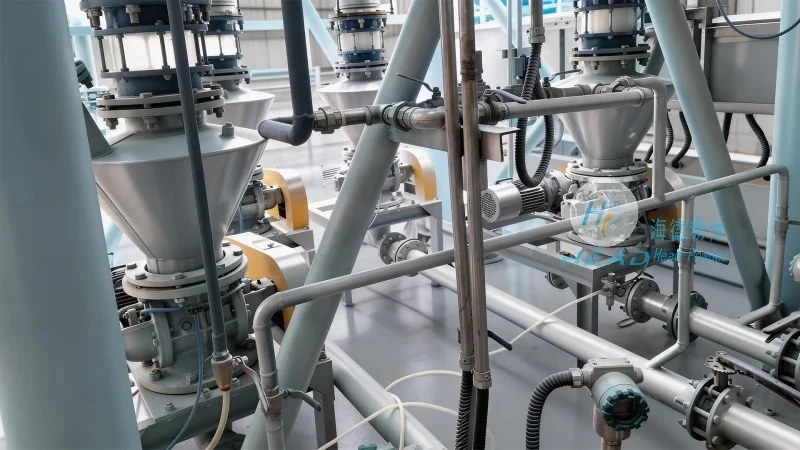
The operation of the molybdenum oxide powder conveying line typically begins with the powder being stored in a silo or hopper. A feeder mechanism, such as a rotary valve or a screw conveyor, regulates the flow of powder into the conveying line. The powder is then transported through a pipeline using positive pressure or vacuum systems, depending on the specific requirements. The line may include components like cyclones, filters, and dust collectors to maintain powder quality and safety. At the destination, the powder is discharged into a receiving hopper or processing equipment, completing the cycle.
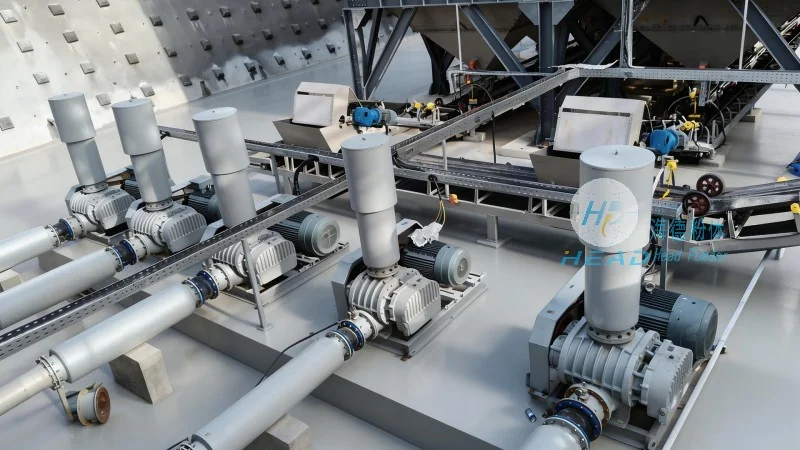
The core working principle involves the use of pneumatic or mechanical conveying methods. In pneumatic systems, compressed air or a carrier gas propels the powder particles through the pipeline. The velocity and pressure of the gas ensure that the powder remains suspended and moves efficiently. Mechanical systems, like belt or screw conveyors, rely on mechanical forces to move the powder. The design of the line, including the size of the pipeline, the type of feeder, and the control systems, is optimized to handle the specific properties of molybdenum oxide, such as its fine particle size and potential for static charge buildup.
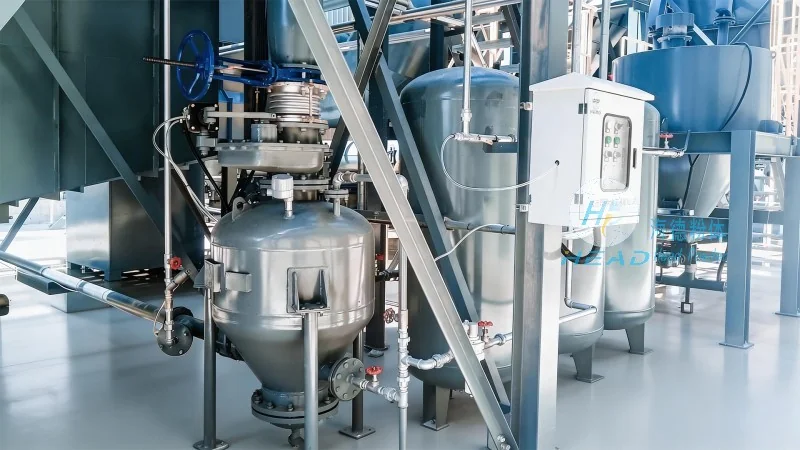
The conveying line is equipped with advanced control systems that monitor flow rates, pressure, and temperature in real-time. This allows for precise regulation and ensures that the process operates within optimal parameters. The materials used in the construction of the line, such as stainless steel or special alloys, are chosen to resist corrosion and chemical reactions with the molybdenum oxide. Additionally, the system incorporates safety features like explosion-proof designs and dust suppression mechanisms to protect personnel and equipment.

 Shandong Headpowder Engineering Co., Ltd.
 156-6277-7102(Manager Zhang)
  0531-83386006
  Zhangqiu District, Jinan City, Shandong Province, China
telephone
WeChatconsult
top