

Operation Process and Working Principle of Calcium Phosphate Powder Conveying Line
Calcium phosphate powder conveying lines are critical components in industrial processes, particularly in the pharmaceutical, food, and chemical sectors where the efficient and safe handling of fine powders is paramount. These systems are designed to transport calcium phosphate powder from one location to another with precision, ensuring minimal loss and contamination. The operation of such lines involves a series of interconnected mechanisms that work in harmony to achieve optimal performance.
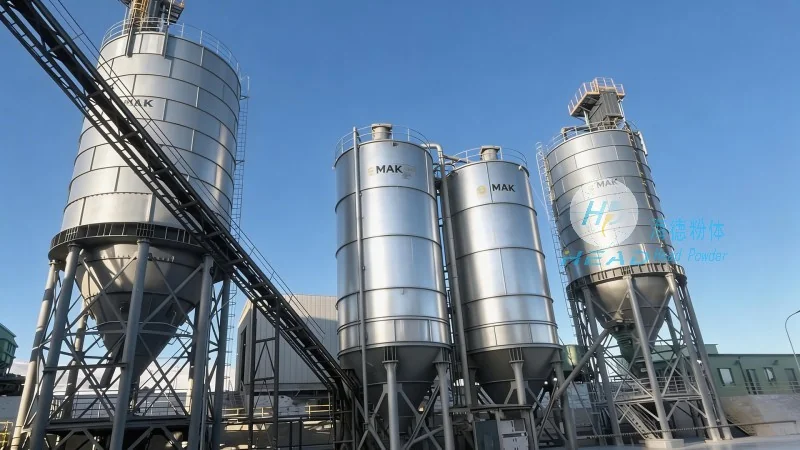
Overview of the Calcium Phosphate Powder Conveying Line
The calcium phosphate powder conveying line typically consists of several key components, including hoppers, feeders, conveyors, and control systems. Each component plays a vital role in the overall functionality of the system. The hoppers are used to store the powder, providing a consistent feed to the feeder. The feeder regulates the flow rate of the powder, ensuring a steady supply to the conveyor. The conveyor then transports the powder through the system, often using mechanisms like screw conveyors, pneumatic systems, or belt conveyors, depending on the specific requirements of the application.
Key Components and Their Functions
1. Hoppers: These are large containers that hold the calcium phosphate powder. They are designed with sloped sides to prevent caking and ensure smooth discharge. The hoppers are typically made of stainless steel or other corrosion-resistant materials to maintain the purity of the powder.
2. Feeders: Feeders are responsible for controlling the flow rate of the powder from the hopper to the conveyor. Common types include rotary feeders, vibratory feeders, and screw feeders. These devices ensure that the powder is delivered at a consistent rate, preventing overloading or underloading of the conveyor.
3. Conveyors: The conveyor is the core component of the system, responsible for transporting the powder. Screw conveyors are widely used for calcium phosphate powder due to their ability to handle fine powders without clogging. Pneumatic conveyors are also employed in some applications, especially for longer distances or when the powder needs to be transported in a closed system to prevent dust dispersion.
4. Control Systems: Modern calcium phosphate powder conveying lines are equipped with advanced control systems that monitor and regulate the operation. These systems include sensors to detect powder levels, flow rates, and any blockages, as well as control panels to adjust the speed of the feeder and conveyor. The control systems ensure that the operation is safe, efficient, and compliant with industry standards.
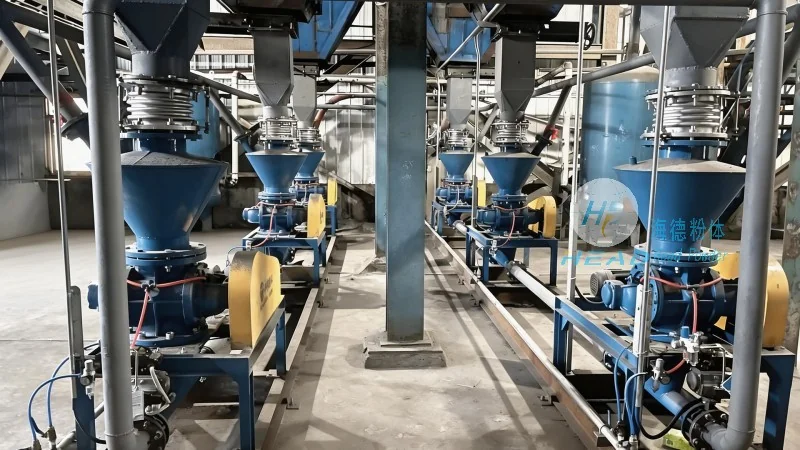
Operation Process of the Calcium Phosphate Powder Conveying Line
The operation of the calcium phosphate powder conveying line begins with the loading of the hopper. The powder is fed into the hopper from a storage silo or other source. Once the hopper is filled, the feeder starts to regulate the flow of powder into the conveyor. The conveyor then transports the powder to the discharge point, which may be a storage bin, a processing unit, or a packaging machine.
During the operation, the control system continuously monitors the system's performance. If any issues arise, such as a blockage in the conveyor or a variation in the powder flow rate, the control system will trigger an alarm and adjust the operation accordingly. This ensures that the system operates smoothly and without interruptions.
Working Principle of the Calcium Phosphate Powder Conveying Line
The working principle of the calcium phosphate powder conveying line is based on the transfer of powder from the hopper to the conveyor and then to the discharge point. The feeder controls the initial flow rate, while the conveyor provides the necessary force to move the powder through the system. The control system ensures that the operation is optimized for efficiency and safety.
Calcium phosphate powder is a fine, dry material that requires careful handling to prevent dust generation and caking. The conveying line is designed to minimize these issues by using appropriate equipment and control mechanisms. The screw conveyor, for example, uses rotating screws to push the powder forward, reducing the risk of clogging and ensuring a consistent flow.
Benefits of Using a Calcium Phosphate Powder Conveying Line
Implementing a calcium phosphate powder conveying line offers several benefits for industrial operations. Firstly, it improves the efficiency of powder handling, reducing the time and labor required to transport the material. Secondly, it enhances safety by minimizing dust exposure and preventing accidents caused by manual handling. Thirdly, it ensures the purity of the powder by maintaining a closed system and preventing contamination from external sources.
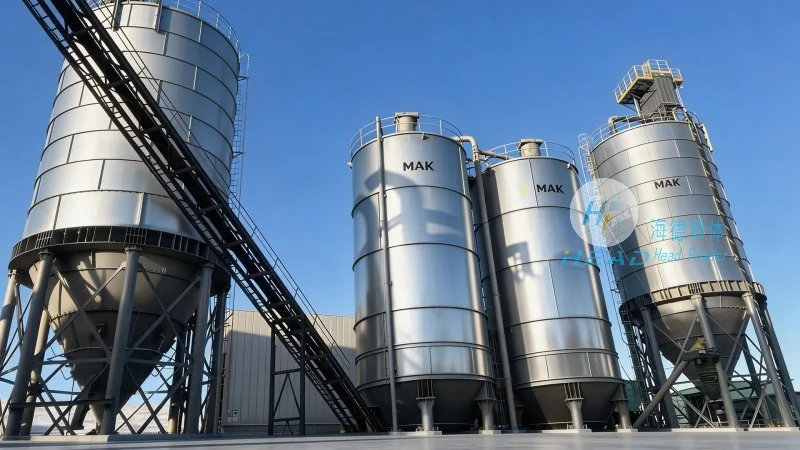
Additionally, the control systems in modern conveying lines allow for precise regulation of the powder flow rate, which is crucial for processes that require consistent material input. This leads to improved product quality and reduced waste. The use of corrosion-resistant materials in the construction of the system also ensures long-term durability and low maintenance costs.
Application Examples
Calcium phosphate powder conveying lines are widely used in various industries. In the pharmaceutical industry, they are used to transport calcium phosphate as an excipient in drug formulations. In the food industry, they are used to handle calcium phosphate as a food additive or fortifier. In the chemical industry, they are used to transport calcium phosphate as a raw material for the production of other chemicals.
In each of these applications, the conveying line is tailored to meet the specific requirements of the process. For example, in pharmaceutical applications, the system may be designed to meet stringent regulatory standards for purity and contamination control. In food applications, the system may be equipped with additional features to prevent cross-contamination with other materials.
Maintenance and Troubleshooting
Regular maintenance is essential to ensure the optimal performance of the calcium phosphate powder conveying line. This includes cleaning the hoppers and conveyors to prevent caking, checking the condition of the feeder and conveyor components, and inspecting the control system for any faults. Common issues that may arise include blockages in the conveyor, variations in the powder flow rate, and sensor malfunctions. These issues can be addressed by following the manufacturer's maintenance guidelines and troubleshooting procedures.
Shandong HeadPowder Engineering Co., Ltd., a leading manufacturer of powder handling equipment, provides comprehensive support for the maintenance and operation of calcium phosphate powder conveying lines. The company offers a range of services, including installation, training, and technical support, to ensure that customers can maximize the performance and lifespan of their equipment.