With more than 10‑year industry experience, Shandong Headpowder delivers full‑service pneumatic‑conveying systems and blowers, undertaking nationwide turn‑key powder‑handling projects.
Organic fertilizer pneumatic conveying systems are specialized equipment used in the agricultural and fertilizer processing industries to transport organic materials such as compost, manure, and other organic waste efficiently. These systems utilize air pressure to move bulk materials from one location to another, offering a cost-effective and environmentally friendly alternative to traditional mechanical conveying methods. The core of such systems lies in their ability to handle large volumes of organic matter while minimizing material degradation and environmental impact.
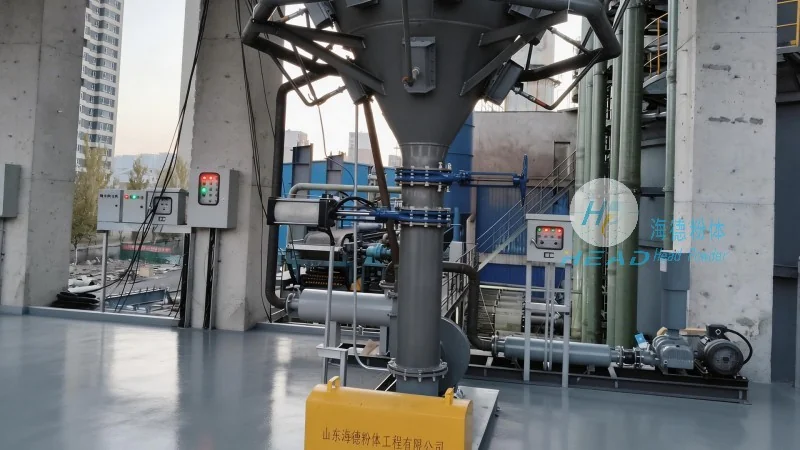
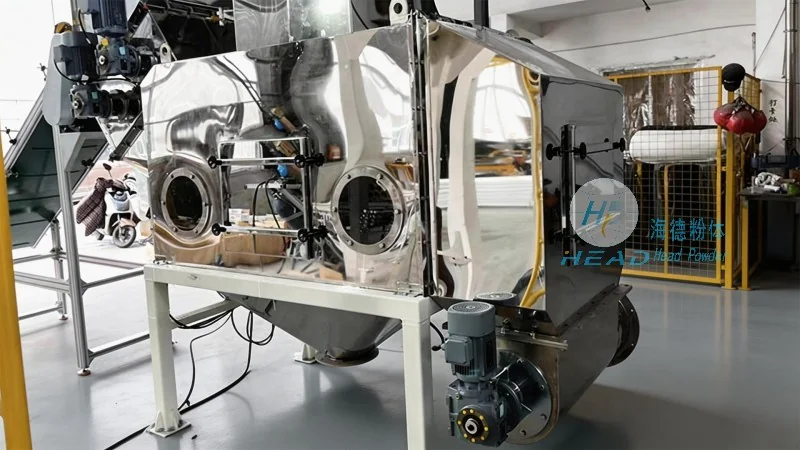
At the heart of an organic fertilizer pneumatic conveying system are several critical components that work in tandem to ensure smooth operation. The primary components include the material hopper, which stores the organic fertilizer; the air compressor or blower, which generates the necessary air pressure; the conveying line, typically made of flexible or rigid tubing; and the discharge unit, where the material is released at the destination. Additionally, a filter system is often integrated to capture dust and fine particles, preventing contamination and ensuring compliance with environmental regulations. Each component is carefully selected and designed to withstand the unique challenges posed by organic materials, such as moisture content, variability in particle size, and potential for clogging.
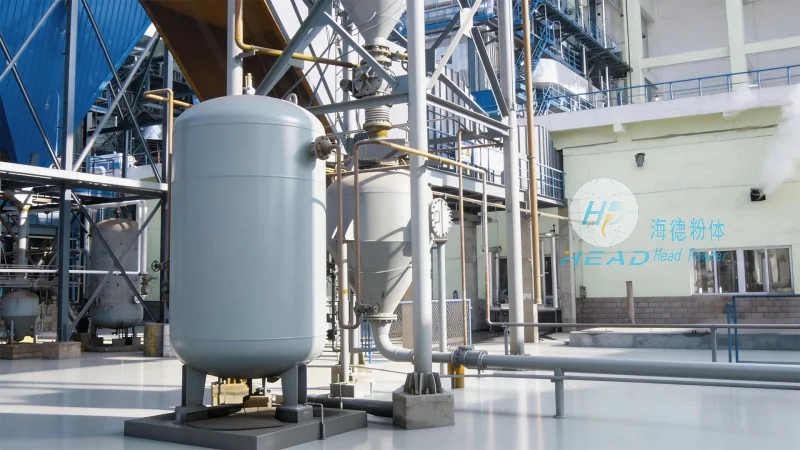
The design of an organic fertilizer pneumatic conveying system is guided by several key principles aimed at maximizing efficiency, reliability, and sustainability. First, the system must be tailored to the specific characteristics of the organic material being handled. This includes considering factors like moisture content, bulk density, and particle size distribution, as these variables directly impact the air velocity required for effective conveying. For instance, wetter or more fibrous materials may require higher air velocities or specialized equipment like rotary valves to prevent blockages. Second, energy efficiency is a critical design consideration. Modern systems often incorporate variable frequency drives (VFDs) to adjust air pressure and flow rates dynamically, reducing energy consumption during periods of low material flow. Third, the system must prioritize safety and environmental protection. This includes features like explosion-proof designs for the air compressor, dust collection systems to minimize airborne particles, and proper ventilation to maintain a safe working environment. The design also emphasizes durability, as organic materials can be abrasive and corrosive over time, requiring high-quality materials like stainless steel or specialized coatings for the conveying line and components.
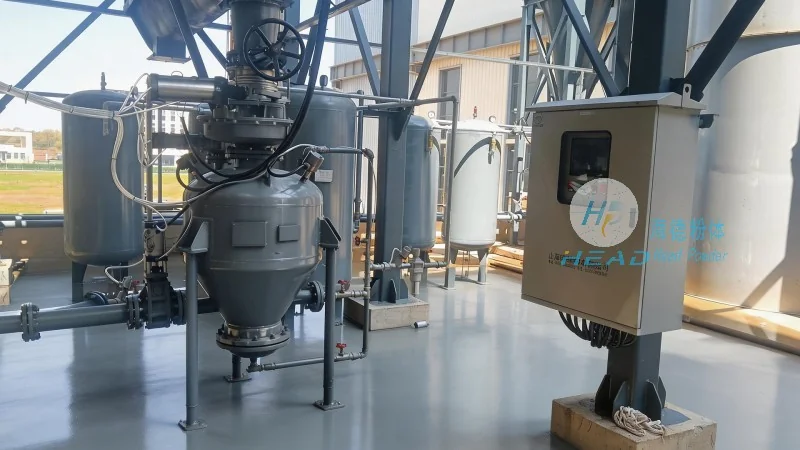
Organic fertilizer pneumatic conveying systems offer numerous advantages over traditional mechanical conveying methods. One of the most significant benefits is the reduction in labor costs and operational time. By automating the material transport process, these systems eliminate the need for manual handling, which is not only labor-intensive but also poses health and safety risks. Additionally, pneumatic conveying systems can cover longer distances and navigate complex layouts, such as vertical lifts or multiple horizontal runs, with ease. This flexibility is particularly valuable in large-scale fertilizer processing facilities where material needs to be moved between different processing stages or storage areas. Another key advantage is the improvement in material quality and consistency. Unlike mechanical conveyors, which can cause material degradation through friction or impact, pneumatic systems use air to gently move materials, preserving their moisture content and nutrient value. This is crucial for organic fertilizers, as maintaining the natural properties of the material is essential for optimal plant growth. Furthermore, pneumatic conveying systems are more hygienic and easier to clean, reducing the risk of cross-contamination and making them suitable for applications where food safety is a concern.

 Shandong Headpowder Engineering Co., Ltd.
 156-6277-7102(Manager Zhang)
  0531-83386006
  Zhangqiu District, Jinan City, Shandong Province, China
telephone
WeChatconsult
top