With more than 10‑year industry experience, Shandong Headpowder delivers full‑service pneumatic‑conveying systems and blowers, undertaking nationwide turn‑key powder‑handling projects.
HeadPowder, a leading manufacturer based in Shandong, China, specializes in the design, production, and installation of pneumatic conveying systems tailored for foundry sand applications. These systems are engineered to efficiently transport sand, a critical material in the casting industry, from storage to processing areas. The following content outlines the operational process and underlying principles of such systems, highlighting key components and their functions.
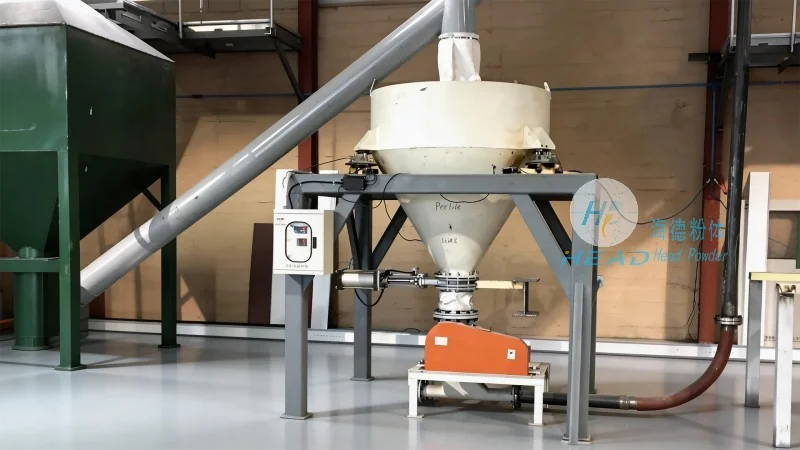
The core components of a pneumatic conveying system for foundry sand typically include a hopper, feeder, air compressor, pipeline network, and a receiver or processing unit. Each component plays a vital role in ensuring smooth and efficient material transport. The hopper serves as the storage vessel, holding the bulk foundry sand. The feeder, often a rotary valve or screw feeder, regulates the flow of sand into the system, preventing clogging and maintaining consistent material discharge. The air compressor generates the necessary air pressure to move the sand particles through the pipeline. The pipeline network, usually made of stainless steel or other corrosion-resistant materials, conveys the sand and air mixture. Finally, the receiver collects the conveyed sand, separating it from the air before further processing.
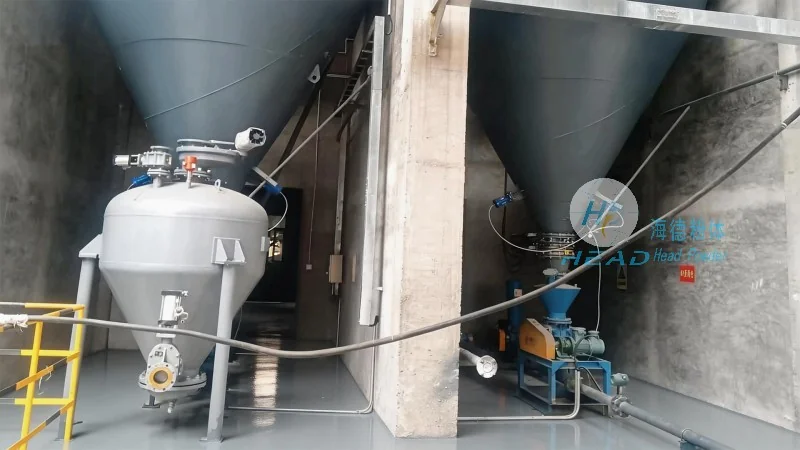
Pneumatic conveying operates on the principle of using compressed air to transport bulk materials. In the case of foundry sand, the system works as follows: 1. Sand is fed from the hopper into the pipeline via the feeder. 2. The air compressor supplies high-pressure air, which mixes with the sand particles, creating a slurry-like mixture. 3. This mixture is then propelled through the pipeline to the receiver. 4. At the receiver, a separator (such as a cyclone or filter) separates the sand from the air, allowing the sand to be collected and the air to be recycled or vented. This process ensures that the sand is transported without the need for mechanical conveyors, reducing wear and tear on equipment and minimizing the risk of material contamination.
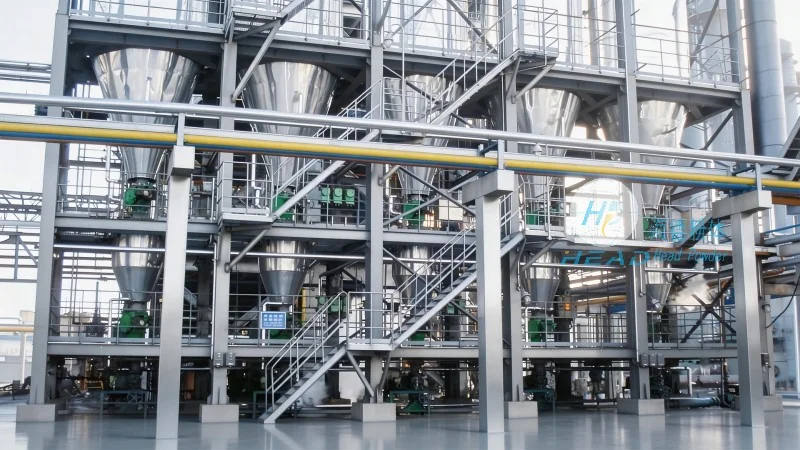
The operational process of a foundry sand pneumatic conveying line involves several sequential steps: 1. Preparation: The hopper is filled with foundry sand, and the system is checked for proper air pressure and component functionality. 2. Start-up: The air compressor is activated, and the feeder is adjusted to control the sand flow rate. 3. Conveying: As the feeder releases sand, the compressed air propels the sand particles through the pipeline to the receiver. 4. Collection: The receiver collects the sand, and the air is separated and either recycled or released. 5. Monitoring: System parameters, such as air pressure, flow rate, and sand level, are continuously monitored to ensure optimal performance. 6. Maintenance: Regular maintenance, including cleaning the hopper, checking the feeder, and inspecting the air compressor, is performed to prevent system downtime and ensure long-term reliability.
Implementing a pneumatic conveying system for foundry sand offers several advantages over traditional mechanical conveying methods. These include: 1. Reduced equipment wear: Since there are no moving parts in direct contact with the sand, the system experiences less wear and tear, extending the lifespan of components. 2. Improved material handling: The system can handle abrasive foundry sand without causing damage to the equipment. 3. Enhanced safety: Pneumatic conveying minimizes the risk of dust explosions and reduces the need for manual handling of heavy sand loads. 4. Space efficiency: The system can be installed in compact spaces, making it suitable for facilities with limited room. 5. Cost-effectiveness: Over time, the reduced maintenance costs and increased efficiency of the system can lead to significant savings for foundry operations.

HeadPowder's pneumatic conveying systems for foundry sand are designed to provide reliable and efficient material transport solutions. By understanding the operational process and working principles of these systems, foundry operations can optimize their material handling processes, improve productivity, and reduce operational costs. With a focus on quality and customer satisfaction, HeadPowder continues to be a trusted partner in the foundry industry, delivering innovative solutions that meet the evolving needs of modern casting processes.

 Shandong Headpowder Engineering Co., Ltd.
 156-6277-7102(Manager Zhang)
  0531-83386006
  Zhangqiu District, Jinan City, Shandong Province, China
telephone
WeChatconsult
top