With more than 10‑year industry experience, Shandong Headpowder delivers full‑service pneumatic‑conveying systems and blowers, undertaking nationwide turn‑key powder‑handling projects.
When designing a pneumatic conveying system for magnesium oxide, several critical factors must be considered to ensure efficient, reliable, and cost-effective operation. The process of selecting the right system involves a comprehensive evaluation of material properties, operational requirements, and environmental considerations. This article outlines key design considerations tailored to magnesium oxide, a material known for its high reactivity and specific handling challenges.
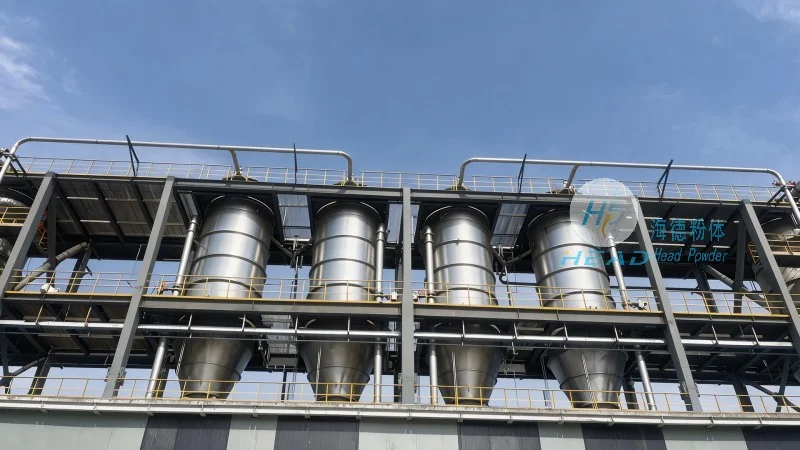
Understanding the physical and chemical properties of magnesium oxide is paramount. Magnesium oxide (MgO) is a white, odorless powder with a high density and fine particle size, which can significantly impact the design of the conveying system. The material's reactivity with moisture and its tendency to form agglomerates require specialized equipment to maintain consistent flow. Engineers must consider the material's bulk density, particle size distribution, and moisture content as these factors directly influence the air velocity, pressure drop, and system capacity. For instance, a higher bulk density may necessitate a larger air volume to achieve the desired conveying rate, while fine particles can lead to increased friction and potential blockages if not properly handled.
The configuration of a pneumatic conveying system for magnesium oxide typically includes a combination of positive and negative pressure sections, or a fully positive pressure system, depending on the application. The key components include a hopper with a feeder, a conveying line, a receiver, and a dust collection system. The hopper design must accommodate the material's flow characteristics, often incorporating a cone or a vibratory feeder to prevent bridging and ensure smooth discharge. The feeder, such as a rotary valve or a screw feeder, must be selected to handle the material's tendency to agglomerate, ensuring consistent material feed into the conveying line. The conveying line itself is usually made of stainless steel or other corrosion-resistant materials to prevent reaction with the magnesium oxide. The receiver, where the material is deposited, should be equipped with a venting system to prevent pressure buildup and maintain safe operation. Additionally, a dust collection system, such as a baghouse or an electrostatic precipitator, is essential to control particulate emissions and protect the environment.
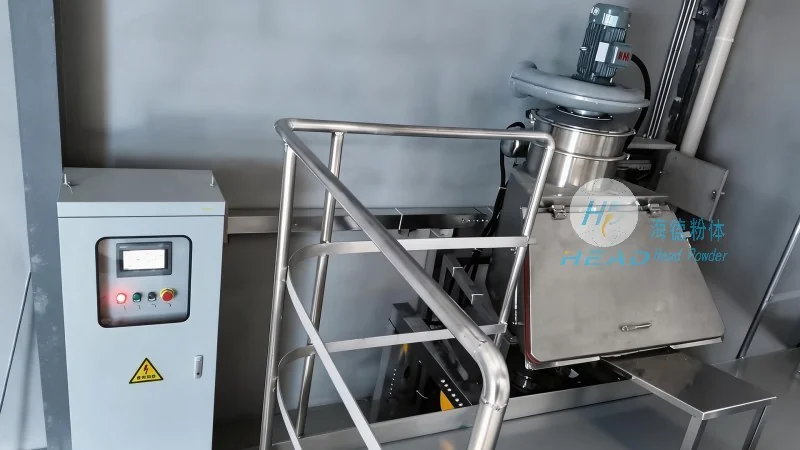
Effective airflow management is crucial for the performance of a magnesium oxide pneumatic conveying system. The air velocity within the conveying line must be sufficient to lift and transport the material while minimizing pressure drop and energy consumption. Engineers calculate the required air velocity based on the material's particle size, density, and the system's length and elevation changes. For magnesium oxide, a typical air velocity range is between 20 to 30 meters per second, depending on the system configuration. The pressure drop along the conveying line is another critical factor, as it affects the overall system efficiency and energy usage. Proper sizing of the air compressor and the use of pressure regulators are essential to maintain stable pressure and ensure consistent material flow. The system may also include a filter or a cyclone separator to remove fine particles from the air stream, preventing clogging and maintaining the integrity of downstream equipment.
Advanced control and monitoring systems are integral to optimizing the performance of a magnesium oxide pneumatic conveying system. These systems help maintain consistent material flow, detect blockages or leaks, and adjust system parameters in real-time. Sensors such as pressure transducers, flow meters, and level detectors are installed at critical points in the system to provide real-time data. The control system can automatically adjust the air flow rate or feeder speed based on the material level in the hopper or the pressure in the conveying line. This automation reduces the risk of overfeeding or underfeeding, which can lead to system inefficiencies or material loss. Additionally, the monitoring system provides valuable data for maintenance planning, allowing operators to identify potential issues before they cause system downtime. For example, a pressure drop alarm can indicate a blockage in the conveying line, prompting immediate action to prevent material accumulation and equipment damage.
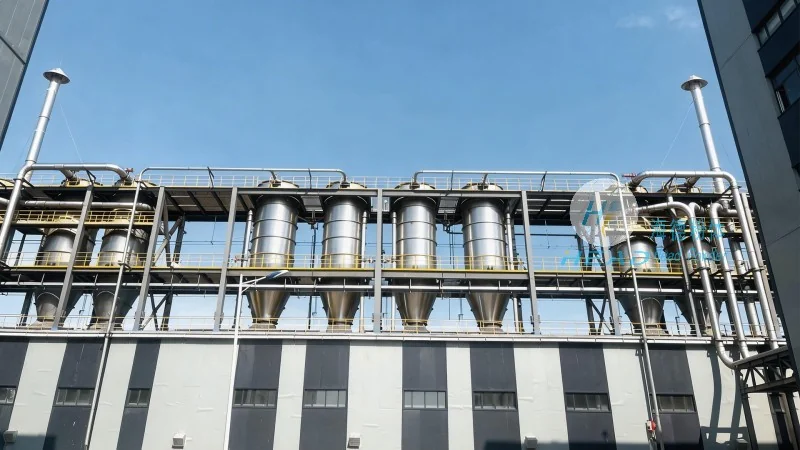
Designing a magnesium oxide pneumatic conveying system requires careful consideration of environmental and safety regulations. The material's dust is hazardous and can cause respiratory issues if inhaled, necessitating a robust dust collection system. The system must comply with local air quality standards and may require additional filtration to meet emission limits. Safety features such as explosion-proof components, emergency shut-off valves, and interlocks are essential to protect personnel and equipment. The system should also be designed to prevent the accumulation of static electricity, as magnesium oxide is a conductive material that can pose a fire hazard in certain conditions. Proper grounding and bonding of the equipment are critical to mitigate this risk. Furthermore, the system's layout should consider the potential for material spillage and provide adequate containment measures to prevent environmental contamination.
Shandong HeadPowder Engineering Co., Ltd., a leading provider of pneumatic conveying solutions, has successfully implemented magnesium oxide pneumatic conveying systems for various industrial applications. One notable project involved supplying a high-purity magnesium oxide plant with a fully positive pressure conveying system. The system was designed to handle 10 tons per hour of material over a distance of 200 meters, with a vertical lift of 15 meters. The design incorporated a stainless steel hopper with a vibratory feeder to prevent agglomeration, a high-efficiency cyclone separator to capture fine particles, and a variable frequency drive (VFD) to control the air compressor. The system's performance exceeded expectations, achieving a conveying efficiency of over 95% and reducing energy consumption by 15% compared to traditional systems. The success of this project highlights the importance of considering material-specific properties and implementing advanced control systems in the design of pneumatic conveying systems for magnesium oxide.

 Shandong Headpowder Engineering Co., Ltd.
 156-6277-7102(Manager Zhang)
  0531-83386006
  Zhangqiu District, Jinan City, Shandong Province, China
telephone
WeChatconsult
top