With more than 10‑year industry experience, Shandong Headpowder delivers full‑service pneumatic‑conveying systems and blowers, undertaking nationwide turn‑key powder‑handling projects.
For industrial applications involving the handling of refractory materials, efficient and reliable material transport is crucial. Pneumatic conveying systems offer a versatile and effective method to move these materials from one location to another. This article explores several practical solutions for the pneumatic conveying of refractory materials, highlighting key considerations and operational aspects.
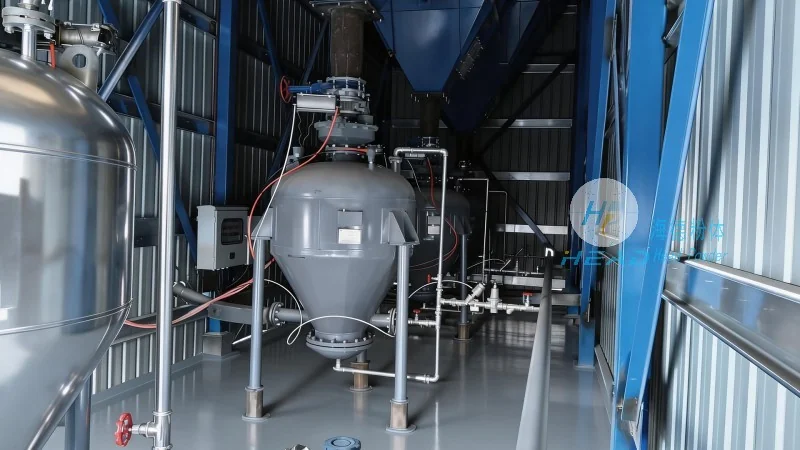
Pneumatic conveying systems utilize air or gas to transport bulk materials, such as refractory powders and granules, through a pipeline network. These systems are widely used in industries like ceramics, steel, and construction due to their ability to handle abrasive and temperature-sensitive materials with minimal wear and contamination. The choice of system depends on factors including material properties, distance, and required flow rates.
Several pneumatic conveying solutions are commonly employed for refractory materials, each with distinct advantages and applications. The primary options include positive pressure, negative pressure, and hybrid systems. Each approach addresses specific operational challenges and material characteristics.
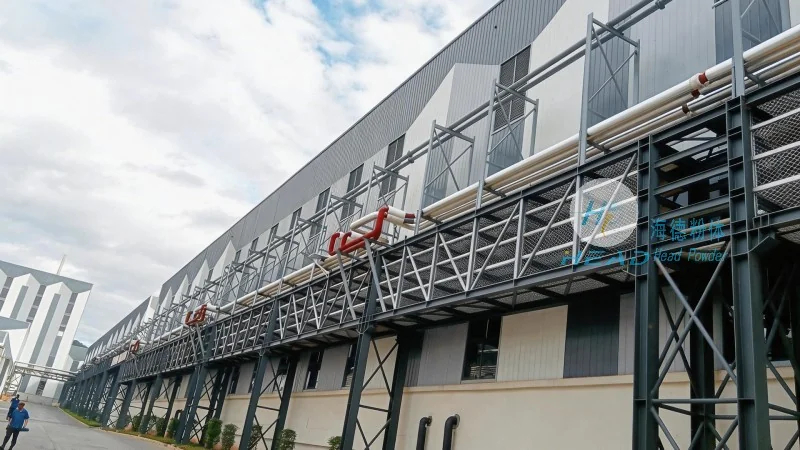
Positive pressure systems operate by blowing air or gas into the conveying line, creating a pressure differential that propels the material forward. This method is particularly effective for conveying abrasive refractory materials over long distances or through complex piping networks. The system typically includes a blower, a hopper for material storage, and a discharge point at the destination. Positive pressure systems are known for their high conveying capacity and ability to handle high concentrations of material, making them suitable for large-scale production environments.
Negative pressure systems, also known as vacuum conveying, work by creating a vacuum in the conveying line to draw material from the source into the system. This approach is ideal for applications requiring gentle handling of fine refractory powders, as it minimizes particle breakage and dust generation. Negative pressure systems are often used for short to medium-distance conveying and for materials that are sensitive to high air velocities. They are particularly effective in environments where dust control is a priority, such as in cleanroom or indoor processing facilities.
Hybrid systems combine elements of both positive and negative pressure methods to optimize performance based on specific operational needs. These systems may use a positive pressure blower at the discharge end to boost material flow or employ a vacuum at the inlet to draw material from a hopper while maintaining a positive pressure in the main line. Hybrid systems are versatile and can adapt to varying material types and conveying distances, making them suitable for complex industrial setups where multiple material sources or destinations are involved.
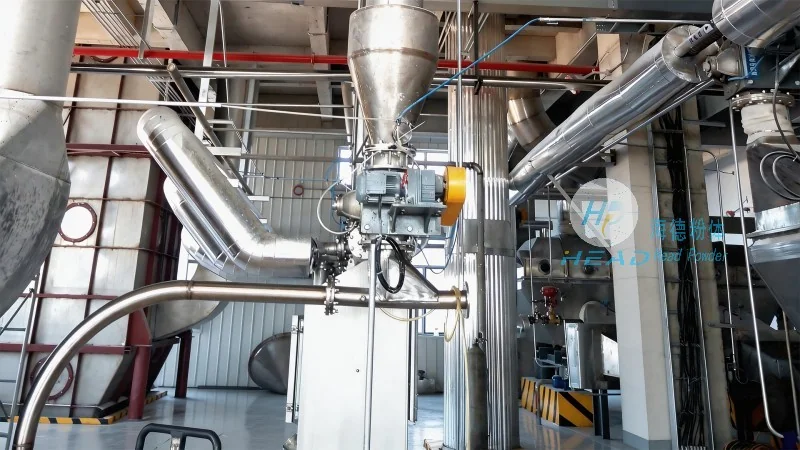
When selecting or designing a pneumatic conveying system for refractory materials, several critical factors must be considered to ensure efficiency and longevity. Material properties, such as particle size, density, and abrasiveness, directly impact the choice of system and equipment. For example, highly abrasive refractory materials may require specialized wear-resistant components, such as lined pipes and high-quality blowers, to minimize wear and extend system life.
System layout and piping design are also crucial. Properly sized pipelines with appropriate bends and fittings are essential to maintain consistent air velocity and prevent material buildup or blockages. The use of filters and cyclones in the system helps to separate material from air, ensuring that the conveyed material remains clean and free from contaminants. Regular maintenance, including cleaning of filters and inspection of wear parts, is vital to maintain system performance and prevent downtime.
Shandong HeadPowder Engineering Co., Ltd., a leading provider of material handling solutions, has extensive experience in implementing pneumatic conveying systems for refractory materials. The company specializes in custom-designed solutions tailored to the unique requirements of each client. For instance, a client in the ceramics industry required a positive pressure system to transport high-temperature refractory powders over a distance of 200 meters. HeadPowder engineers designed a system featuring a high-capacity blower, wear-resistant piping, and a hopper with a discharge valve to control material flow. The system successfully handled the abrasive material, maintaining consistent flow rates and minimizing dust emissions.
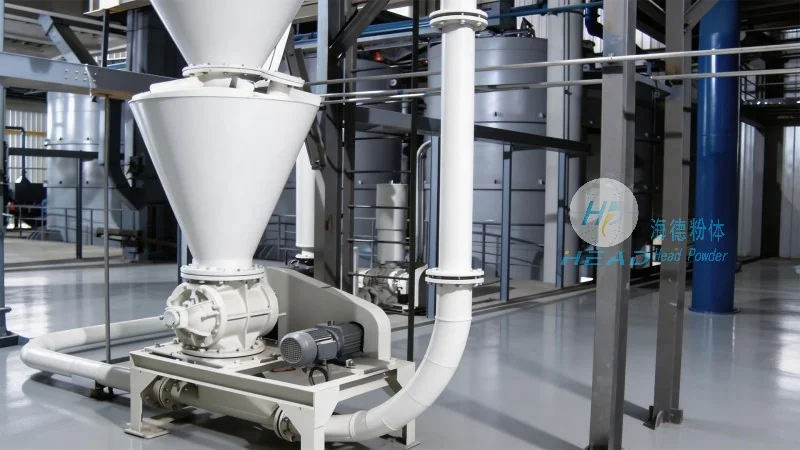
Another application involved a negative pressure system for a steel plant, where fine refractory powders needed to be conveyed from a storage silo to a processing unit. HeadPowder's solution included a vacuum pump, a filter system, and a flexible hose for the initial conveying segment. The system was designed to handle fine particles without causing excessive wear, ensuring reliable operation and low maintenance costs. These case studies illustrate the company's expertise in selecting and implementing the most appropriate pneumatic conveying solutions for refractory materials, emphasizing efficiency, durability, and compliance with industry standards.
Pneumatic conveying offers several effective solutions for the transport of refractory materials, each with its own advantages and suitable applications. By understanding the material properties and operational requirements, industries can select the most appropriate system to enhance productivity and safety. Companies like Shandong HeadPowder Engineering Co., Ltd. play a vital role in providing customized solutions that meet these needs, ensuring reliable and efficient material handling in various industrial settings.

 Shandong Headpowder Engineering Co., Ltd.
 156-6277-7102(Manager Zhang)
  0531-83386006
  Zhangqiu District, Jinan City, Shandong Province, China
telephone
WeChatconsult
top