With more than 10‑year industry experience, Shandong Headpowder delivers full‑service pneumatic‑conveying systems and blowers, undertaking nationwide turn‑key powder‑handling projects.
For industries dealing with sorghum distiller's grains, efficient and reliable material handling is crucial. Traditional methods often face challenges such as dust, blockages, and operational inefficiencies. This article explores several effective pneumatic conveying solutions tailored for the transportation of sorghum distiller's grains, presented by Shandong HeadPowder Engineering Co., Ltd., a leading provider in this field.
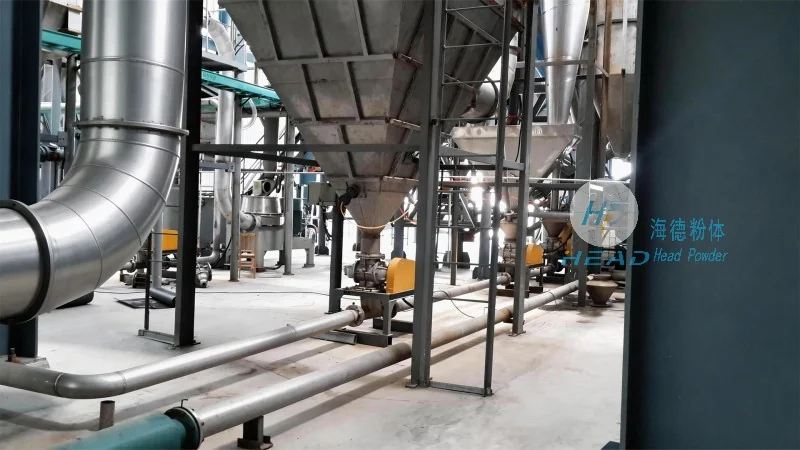
Pneumatic conveying systems utilize air or gas to transport bulk materials like sorghum distiller's grains. This method offers advantages over traditional mechanical systems, including reduced labor costs, improved safety by minimizing manual handling, and enhanced control over material flow. The core of a pneumatic conveying system consists of a hopper, a conveyor line, and a receiver, with the material being carried by air pressure or vacuum. For sorghum distiller's grains, which are often fine and dusty, selecting the right type of pneumatic conveying system is essential to ensure smooth operation and prevent system blockages.
When designing a pneumatic conveying system for sorghum distiller's grains, several factors must be considered to achieve optimal performance. The first is the material's physical properties, including particle size, moisture content, and density. Sorghum distiller's grains typically have a fine particle size and high moisture content, which can affect the air velocity required for effective transport. Another critical factor is the system's capacity and the distance over which the material needs to be conveyed. The choice between positive pressure and negative pressure systems also plays a significant role, as each has its own advantages and limitations based on the application.
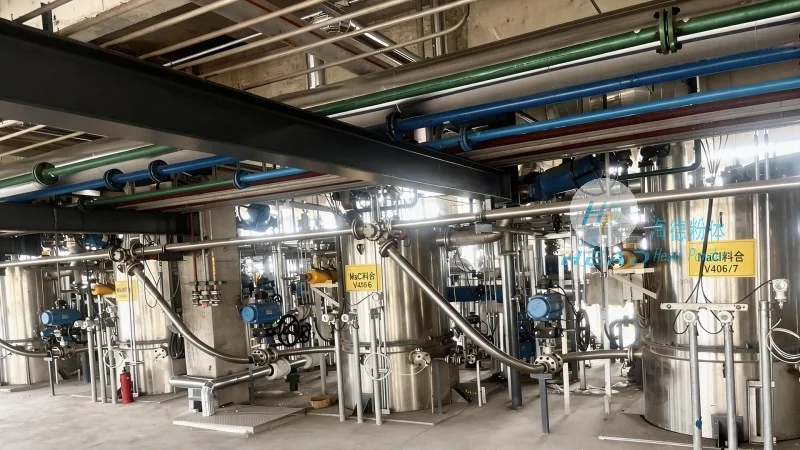
Positive pressure conveying systems operate by blowing air into the conveyor line, pushing the material forward. This method is particularly suitable for short to medium conveying distances and is effective for materials that are not too abrasive or corrosive. For sorghum distiller's grains, a positive pressure system can be designed with a high-pressure blower that generates sufficient air flow to move the fine particles without causing excessive wear on the system components. The system typically includes a hopper with a rotary valve to feed the material, a flexible hose or rigid pipe for the conveyor line, and a receiver at the end to collect the conveyed material. This setup ensures a continuous and controlled flow of sorghum distiller's grains, minimizing downtime and maintenance.
Negative pressure conveying systems, also known as vacuum systems, operate by creating a vacuum in the conveyor line to draw the material into the system. This method is ideal for longer conveying distances and for materials that are sensitive to pressure or temperature changes. For sorghum distiller's grains, a negative pressure system can be equipped with a high-efficiency cyclone separator at the receiver to separate the material from the air stream, ensuring that the grains are collected without loss. The system includes a vacuum pump, a hopper with a feeder, and a flexible or rigid duct connecting the source to the receiver. This setup is particularly effective for applications where the material needs to be transported from multiple points to a central collection point.
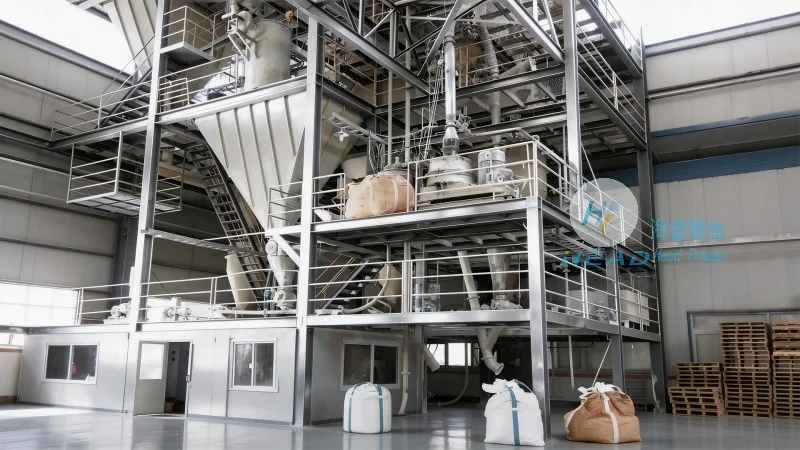
A hybrid system combines elements of both positive and negative pressure systems, offering flexibility and efficiency for various conveying scenarios. This approach is beneficial when the material needs to be transported over varying distances or when the system must handle different types of materials. For sorghum distiller's grains, a hybrid system might use a positive pressure section for the initial transport from the source and a negative pressure section for the final delivery to the receiver. This configuration allows for better control over the material flow and reduces the risk of blockages or system overload. The hybrid system also includes additional components such as a rotary valve, a filter, and a control panel to manage the air flow and material transport, ensuring optimal performance.
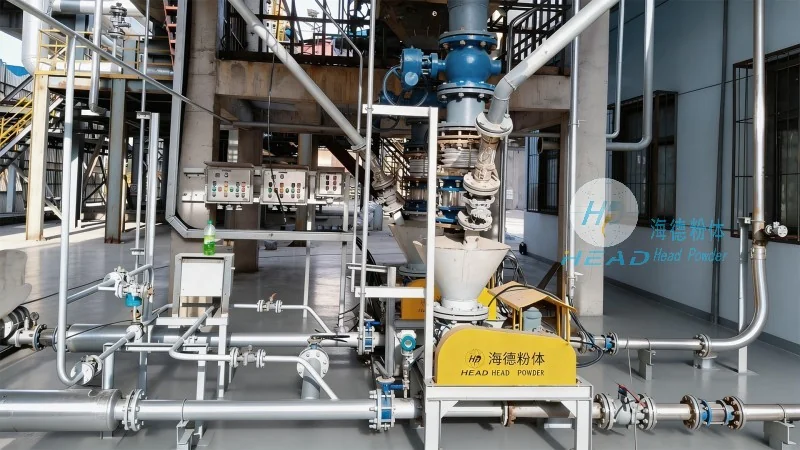
Shandong HeadPowder Engineering Co., Ltd. specializes in designing and manufacturing customized pneumatic conveying systems tailored to the specific needs of each client. The company's engineers work closely with clients to understand their operational requirements, material characteristics, and budget constraints to develop the most suitable solution. Regular maintenance is also a critical aspect of ensuring the longevity and efficiency of pneumatic conveying systems. This includes inspecting and cleaning the hopper, conveyor line, and receiver, as well as checking the performance of the air compressor or vacuum pump. By adhering to a regular maintenance schedule, clients can minimize downtime and maximize the lifespan of their conveying equipment.
Pneumatic conveying offers a reliable and efficient solution for transporting sorghum distiller's grains, with several options available depending on the specific requirements of the application. Whether using a positive pressure, negative pressure, or hybrid system, the key is to select the right system based on the material properties, conveying distance, and operational needs. Shandong HeadPowder Engineering Co., Ltd. provides expert guidance and high-quality equipment to help clients achieve their material handling goals, ensuring smooth and efficient operation of their sorghum distiller's grains processing facilities.

 Shandong Headpowder Engineering Co., Ltd.
 156-6277-7102(Manager Zhang)
  0531-83386006
  Zhangqiu District, Jinan City, Shandong Province, China
telephone
WeChatconsult
top