With more than 10‑year industry experience, Shandong Headpowder delivers full‑service pneumatic‑conveying systems and blowers, undertaking nationwide turn‑key powder‑handling projects.
When designing a pneumatic conveying system for red bean processing, several key factors must be carefully considered to ensure efficiency, reliability, and cost-effectiveness. The system's performance is directly influenced by the selection of appropriate components, material characteristics, and operational parameters. This article outlines the essential design considerations for a red bean pneumatic conveying system, providing insights into how to optimize the process for industrial applications.
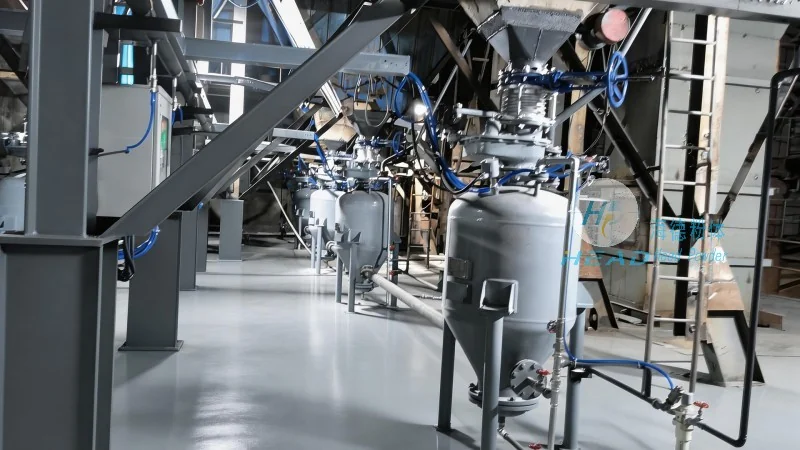
A pneumatic conveying system for red beans typically consists of several critical components, including a hopper for material storage, a feeder to control the flow rate, a conveying line (often with bends and straight sections), a separator to separate air and product, and a discharge device. The choice of each component depends on the specific requirements of the red bean processing facility, such as the capacity, distance of transport, and the nature of the product (e.g., moisture content, particle size, and density). For example, if the red beans are relatively dry and have a uniform particle size, a positive pressure system may be more suitable, as it can handle longer distances and higher capacities compared to negative pressure systems. Conversely, if the beans are more delicate or have a wider particle size distribution, a negative pressure system might be preferred to minimize product degradation and ensure gentle handling.
The physical properties of red beans play a significant role in determining the optimal design of the pneumatic conveying system. Key characteristics include particle size distribution, bulk density, moisture content, and abrasiveness. Particle size affects the air velocity required to transport the material; smaller particles may require higher air velocities to prevent settling or blockages. Bulk density influences the system's capacity, as higher density materials can be conveyed more efficiently. Moisture content is crucial because excessive moisture can lead to caking or clumping, which can cause system failures. Abrasiveness, while less of an issue with red beans compared to some other materials, still needs to be considered, as it can affect the wear and tear on components like the hopper and conveying line. Engineers must conduct thorough material testing to gather accurate data on these properties, which will then be used to calculate the necessary air flow rates, pressure drops, and equipment sizing.

The feeder is a critical component that controls the flow rate of red beans into the conveying system. The choice of feeder depends on the material's flowability and the required flow rate. For red beans, which may have varying flow characteristics due to moisture or particle size, a rotary valve or a screw feeder is often used. A rotary valve provides a consistent flow rate and can handle a wide range of materials, while a screw feeder is suitable for materials with moderate flowability. The feeder must be designed to prevent material bridging or arching, which can disrupt the flow and lead to system downtime. Proper sealing and maintenance of the feeder are also essential to prevent air leakage and ensure accurate flow measurement. In addition, the feeder should be equipped with a material level indicator to monitor the hopper's contents and trigger refilling when necessary, maintaining a steady supply of red beans to the system.
The conveying line is the backbone of the pneumatic system, and its design directly impacts the system's efficiency and reliability. The line is typically made of metal or plastic, with metal being more common due to its durability and ability to withstand high pressures. The line's diameter and length are determined based on the air velocity required to transport the red beans. For red beans, an air velocity of 20-30 meters per second is often recommended to ensure smooth transport without causing excessive wear on the line or product degradation. The line may include bends and straight sections, and the angle of the bends should be minimized to reduce pressure losses and prevent material deposition. The use of smooth, rounded bends is preferred over sharp angles to maintain consistent airflow and prevent blockages. Airflow management is also critical, as it affects the system's energy consumption and overall performance. Proper sizing of the air compressor and the use of energy-efficient components can help reduce operational costs while maintaining the required airflow rates.
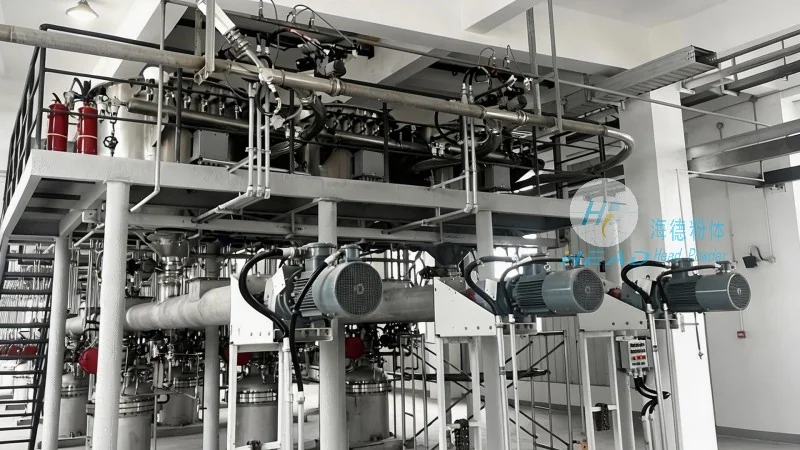
At the end of the conveying line, a separator is used to separate the red beans from the air. The separator works by reducing the air velocity, causing the beans to fall out due to gravity. The design of the separator depends on the system's pressure and the material's properties. For positive pressure systems, a cyclone separator is commonly used, as it can handle high volumes of air and separate the product efficiently. For negative pressure systems, a bag filter or a cartridge filter may be employed to capture fine particles and prevent air pollution. The separator must be designed to handle the red beans' characteristics, such as their moisture content and particle size, to ensure complete product recovery and minimal loss. Regular maintenance of the separator is essential to prevent clogging and maintain its performance. The recovered red beans are then discharged into a collection bin or a processing unit, completing the conveying process.
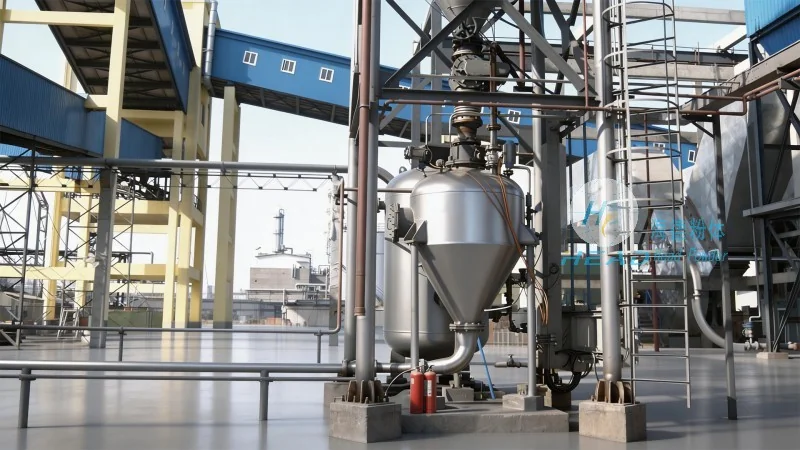
Integrating the pneumatic conveying system with other processing equipment is crucial for a seamless operation. The system must be designed to work in conjunction with the red bean processing line, such as cleaning, sorting, or packaging equipment. This integration requires careful coordination of the flow rates and timing between the different units. A control system is typically used to monitor and regulate the operation of the conveying system, including the feeder, air compressor, and separator. The control system can be automated to adjust the flow rate based on the hopper's level or the processing line's demand, ensuring optimal performance and minimizing downtime. Sensors and indicators are also integrated into the system to provide real-time data on the system's performance, such as air pressure, flow rate, and material level. This data can be used to identify potential issues and make adjustments to improve the system's efficiency and reliability.
Maintaining the pneumatic conveying system for red beans is essential to ensure its long-term performance and reliability. Regular maintenance tasks include cleaning the hopper and conveying line to prevent material buildup, inspecting the feeder and separator for wear and tear, and checking the air compressor for proper operation. The system should be inspected periodically for signs of wear, such as rust or corrosion, and replaced or repaired as needed. Troubleshooting is also an important aspect of system maintenance. Common issues in pneumatic conveying systems include blockages, pressure drops, and air leaks. These issues can be caused by various factors, such as material bridging, clogged filters, or worn components. By identifying the root cause of these problems, engineers can take corrective actions to prevent future occurrences. For example, if a blockage occurs, the system may need to be cleared by manually removing the material or using a pressure relief valve. If a pressure drop is observed, the cause may be a clogged filter or a worn feeder, which can be addressed by cleaning or replacing the component. Regular maintenance and troubleshooting can help extend the system's lifespan and reduce operational costs.

 Shandong Headpowder Engineering Co., Ltd.
 156-6277-7102(Manager Zhang)
  0531-83386006
  Zhangqiu District, Jinan City, Shandong Province, China
telephone
WeChatconsult
top