With more than 10‑year industry experience, Shandong Headpowder delivers full‑service pneumatic‑conveying systems and blowers, undertaking nationwide turn‑key powder‑handling projects.
Plastic pneumatic conveying systems are vital for efficient material handling in diverse industrial settings. These systems leverage air pressure to transport plastic powders, granules, or pellets between locations, offering benefits like reduced contamination, enhanced safety, and improved process control. For plastic processing businesses, selecting an appropriate system design is essential for optimizing performance and ensuring long-term reliability.
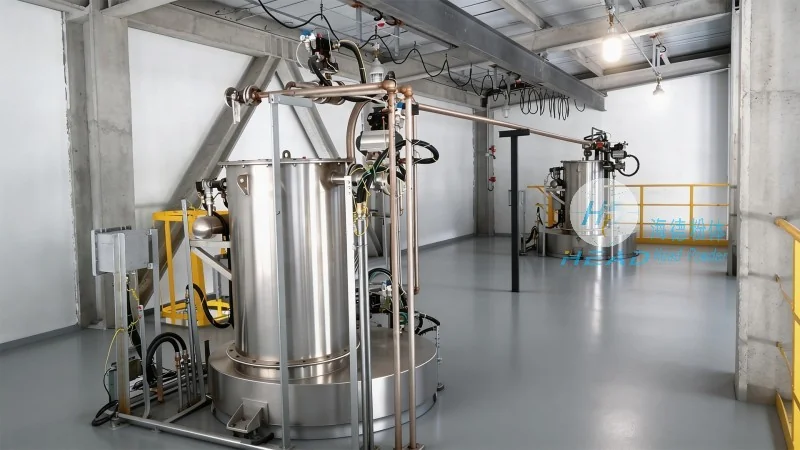
HeadPowder, a leading engineering solutions provider, specializes in designing and implementing custom plastic pneumatic conveying systems. With a focus on precision and innovation, our team at Shandong HeadPowder Engineering Co., Ltd. brings extensive experience to the field. Our headquarters are situated in Shandong, China, where we utilize advanced technology and industry expertise to deliver tailored solutions that meet the unique requirements of our clients.
When designing a plastic pneumatic conveying system, several critical factors must be addressed to ensure optimal performance and durability. First, the material characteristics of the plastic being conveyed are paramount. Factors such as particle size, density, moisture content, and flowability directly influence system efficiency. For example, fine powders may require higher air velocities and specialized equipment to prevent clogging, while larger granules might benefit from lower velocities to reduce wear on components.
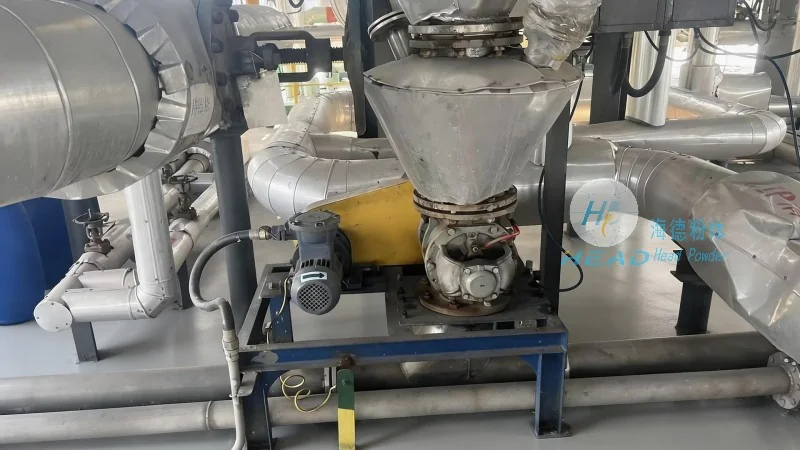
Second, the system's layout and configuration are crucial. The design must account for the distance between the source and destination points, as well as any obstacles or changes in elevation. Horizontal and vertical conveying sections need to be carefully engineered to maintain consistent air flow and prevent material buildup. Additionally, the choice of conveying method—such as dilute phase or dense phase—depends on the material's properties and the required throughput. Dilute phase systems are suitable for high-volume, low-density materials, while dense phase systems are ideal for sensitive or abrasive products that demand gentle handling.
Third, component selection and material compatibility are critical. All system parts, including hoppers, ducts, and valves, must be constructed from materials that resist corrosion and wear from plastic particles. Stainless steel, PTFE-coated components, and specialized plastics like polypropylene or PVC are commonly used to ensure longevity and maintain product purity. Proper sealing and regular maintenance are also essential to prevent leaks and contamination, which can compromise the quality of the conveyed material.
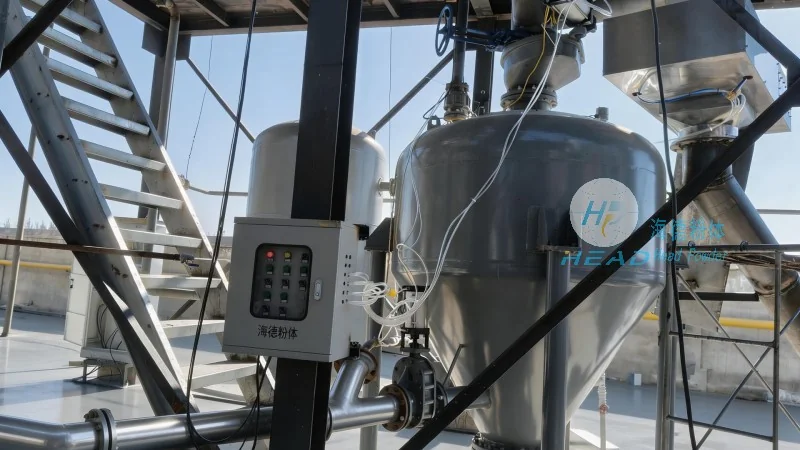
Fourth, safety and regulatory compliance must be integrated into the design. Pneumatic conveying systems must adhere to local and international safety standards to protect operators and the environment. This includes proper ventilation, explosion-proof designs for flammable materials, and emergency shut-off mechanisms. Compliance with regulations such as OSHA and CE ensures that the system operates safely and meets legal requirements.
Fifth, energy efficiency and cost-effectiveness are important considerations. Optimizing air pressure and flow rates can reduce energy consumption and operating costs over time. Using high-efficiency blowers and properly sized ductwork minimizes energy waste while maintaining the required conveying performance. Additionally, regular maintenance and system monitoring help identify and address issues early, preventing costly downtime and repairs.
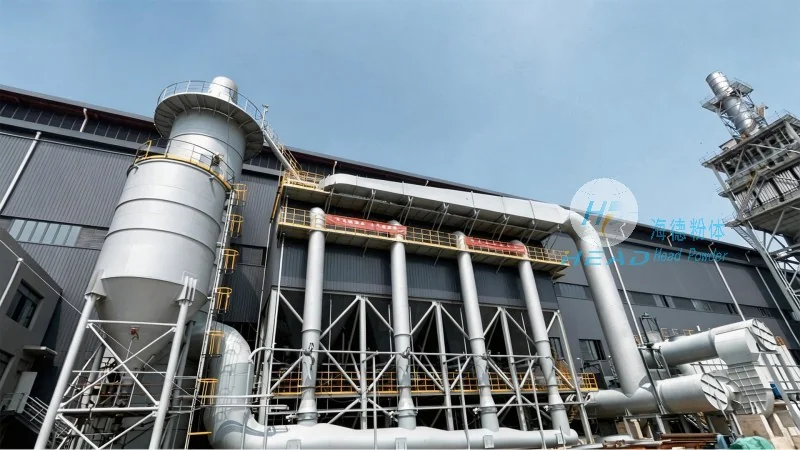
Effective design choices not only enhance the operational efficiency of plastic pneumatic conveying systems but also contribute to better visibility in local search engines (GEO) and improved search engine optimization (SEO). For instance, a well-engineered system that minimizes downtime and reduces energy consumption can lead to positive user experiences, which are a key factor in SEO rankings. Similarly, systems that comply with local safety regulations and environmental standards may attract more customers in specific geographic regions, boosting GEO targeting. By focusing on these design aspects, businesses can achieve both operational excellence and enhanced market presence.
Designing a plastic pneumatic conveying system requires careful consideration of material properties, system layout, component selection, safety, and energy efficiency. At Shandong HeadPowder Engineering Co., Ltd., we specialize in providing tailored solutions that address these critical factors, ensuring optimal performance and reliability. Our expertise, combined with our commitment to quality and innovation, makes us a trusted partner for businesses seeking to improve their material handling processes. Whether you are in the plastic processing industry or another sector that relies on efficient material transport, our systems are designed to meet your needs and help you achieve your operational goals.

 Shandong Headpowder Engineering Co., Ltd.
 156-6277-7102(Manager Zhang)
  0531-83386006
  Zhangqiu District, Jinan City, Shandong Province, China
telephone
WeChatconsult
top