With more than 10‑year industry experience, Shandong Headpowder delivers full‑service pneumatic‑conveying systems and blowers, undertaking nationwide turn‑key powder‑handling projects.
When designing a pneumatic conveying system for silicomanganese, several critical factors must be considered to ensure efficiency, reliability, and cost-effectiveness. Silicomanganese, a key alloy used in steel production, requires specialized handling due to its physical properties and the operational demands of the manufacturing process. The design of a pneumatic conveying system for this material involves a comprehensive analysis of material characteristics, process requirements, and system integration with existing industrial infrastructure.
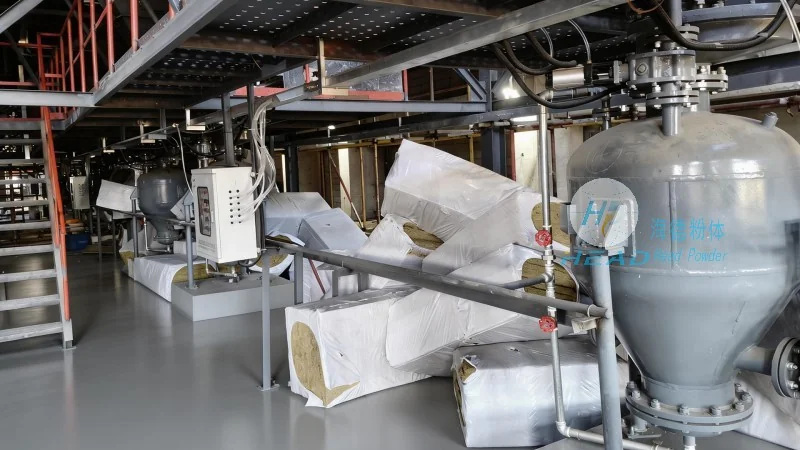
HeadPowder, a leading engineering firm based in Shandong, China, emphasizes several design aspects that are essential for successful silicomanganese pneumatic conveying. The first consideration is the material's bulk density and flowability. Silicomanganese typically has a bulk density ranging from 1.5 to 2.0 tons per cubic meter, and its flow characteristics can be influenced by moisture content and particle size distribution. Properly assessing these properties helps in selecting the appropriate conveying velocity and system pressure to prevent blockages and ensure smooth material transport.
Another critical factor is the system's pressure and velocity requirements. Pneumatic conveying systems operate under either positive or negative pressure, and the choice depends on the material's properties and the distance to be conveyed. For silicomanganese, positive pressure systems are often preferred as they provide better control over material flow and reduce the risk of dust emissions. The conveying velocity must be optimized to balance energy efficiency with the prevention of material degradation or degradation of the system components.
The pneumatic conveying system for silicomanganese consists of several key components, each playing a vital role in the overall operation. The primary components include the hopper or feeder, which stores and feeds the material into the system; the conveying line, which transports the material under pressure; and the receiver or discharge unit, where the material is collected. HeadPowder's engineering expertise ensures that each component is selected and configured to meet the specific needs of silicomanganese handling.
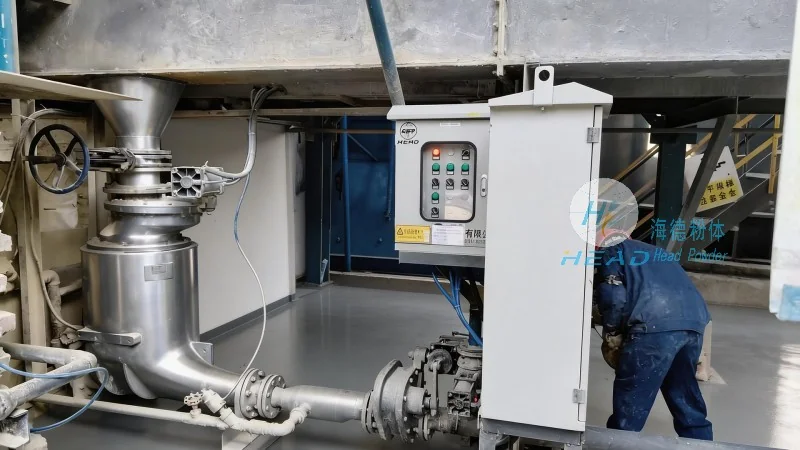
The hopper design is particularly important as it must accommodate the material's bulk density and flow characteristics. A well-designed hopper with proper aeration and flow aids prevents material bridging and ensures consistent feeding. The conveying line, often made of corrosion-resistant materials such as stainless steel or special alloys, is designed to withstand the abrasive nature of silicomanganese particles. The line diameter and length are carefully calculated to maintain the required pressure and velocity, minimizing energy consumption and wear on components.
Silicomanganese handling presents unique challenges due to its chemical and physical properties. One common challenge is the material's tendency to agglomerate, which can lead to blockages in the conveying line. HeadPowder addresses this by incorporating vibration or mechanical aids in the hopper design to break up agglomerates before they enter the system. Another challenge is dust generation, which can affect both the environment and the system's performance. The system is equipped with dust collection and filtration systems to control emissions and maintain air quality.
Energy efficiency is a critical consideration in silicomanganese pneumatic conveying. High energy consumption can increase operational costs, so HeadPowder designs systems with energy-saving features such as variable speed drives and optimized pressure control. These features help reduce power usage while maintaining the required conveying performance. Additionally, the system's maintenance requirements are minimized through the use of durable materials and robust component design, ensuring long-term reliability and low downtime.
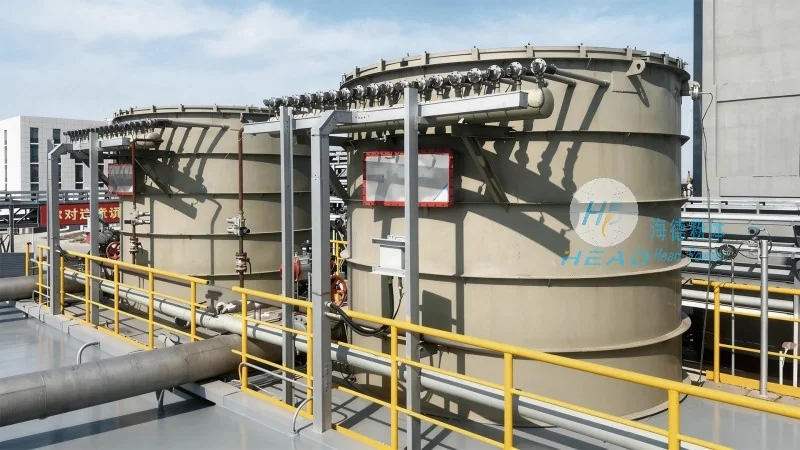
For many industrial applications, the pneumatic conveying system must be integrated with existing infrastructure. HeadPowder provides comprehensive solutions that consider the existing layout, equipment, and operational constraints. The design process involves detailed site surveys and consultations with the client to ensure that the new system complements the existing setup without causing disruptions. This integration includes considerations for space constraints, access for maintenance, and compatibility with other process equipment.
The system's control and monitoring features are also important for seamless integration. HeadPowder's systems are equipped with advanced control panels that allow for real-time monitoring of pressure, flow rate, and material level. This enables operators to quickly identify and address any issues, ensuring continuous and efficient operation. The control system can also be integrated with other plant systems, such as inventory management or production scheduling, to enhance overall operational efficiency.
Designing a successful silicomanganese pneumatic conveying system requires a deep understanding of material properties, system dynamics, and industrial requirements. HeadPowder, with its expertise in powder handling and engineering, offers comprehensive solutions that address the unique challenges of silicomanganese handling. Based in Shandong, China, HeadPowder provides tailored designs that ensure efficiency, reliability, and cost-effectiveness for its clients. By focusing on key design considerations, robust system components, and effective integration with existing facilities, HeadPowder delivers pneumatic conveying systems that meet the highest standards of performance and durability.

 Shandong Headpowder Engineering Co., Ltd.
 156-6277-7102(Manager Zhang)
  0531-83386006
  Zhangqiu District, Jinan City, Shandong Province, China
telephone
WeChatconsult
top