With more than 10‑year industry experience, Shandong Headpowder delivers full‑service pneumatic‑conveying systems and blowers, undertaking nationwide turn‑key powder‑handling projects.
HeadPowder, a leading engineering company based in Shandong, China, specializes in the design, manufacturing, and installation of advanced pneumatic conveying systems for various industrial applications. This article provides a detailed overview of the operation process and working principle of silica fume pneumatic conveying lines, highlighting the technical aspects and operational efficiency of these systems.
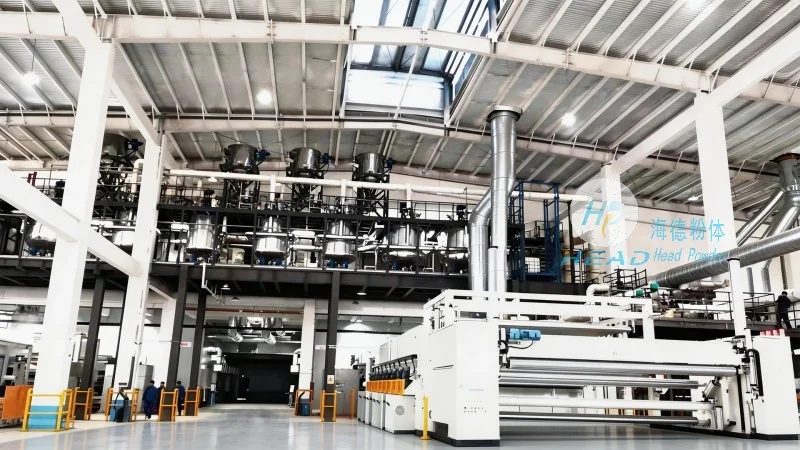
Silica fume, also known as microsilica, is a byproduct of silicon metal and ferrosilicon production. It is a fine powder with high surface area and reactivity, making it a valuable additive in concrete, mortar, and other construction materials. Pneumatic conveying lines are essential for transporting silica fume from storage silos to processing plants or mixing facilities, ensuring a consistent and efficient supply of this critical material. The design and operation of these systems require careful consideration of material properties, system pressure, and flow rates to maintain optimal performance.
Pneumatic conveying systems utilize air or other gases to transport bulk materials through a pipeline network. In the case of silica fume, the system typically operates under positive pressure, where compressed air is introduced into the conveying line to move the powder. The key components of a typical pneumatic conveying line include a hopper for material storage, a feeder to control the flow rate, a compressor to generate the necessary air pressure, and a pipeline system that transports the material to the destination. The process begins with the material being fed from the hopper into the pipeline, where it is suspended and carried by the moving air stream. The air velocity is carefully controlled to ensure that the powder particles are fully entrained and transported without clogging or degradation.
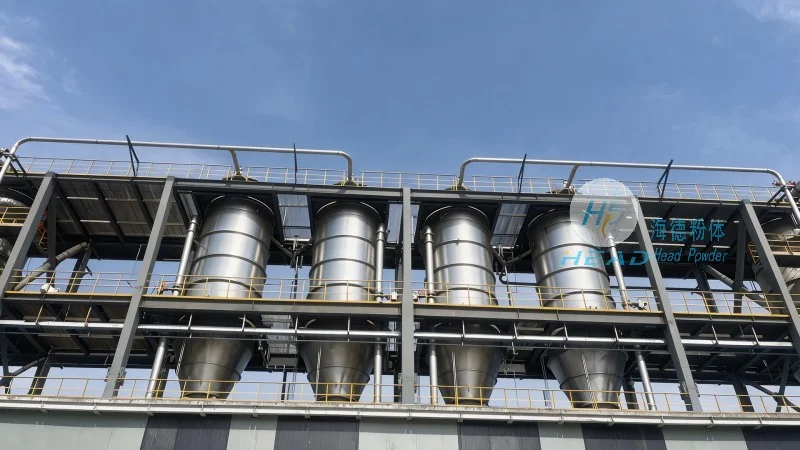
The operation of a silica fume pneumatic conveying line involves several sequential steps that ensure smooth and continuous material transport. First, the system is initiated by activating the compressor, which starts to generate the required air pressure. Simultaneously, the feeder is adjusted to control the flow rate of silica fume from the storage hopper. As the compressed air is introduced into the pipeline, it creates a low-pressure zone that draws the powder into the conveying line. The powder is then carried through the pipeline to the receiving hopper or processing unit. During operation, the system continuously monitors pressure, flow rate, and material level to maintain optimal performance. Any deviations in these parameters are automatically adjusted by the control system to prevent system failures or material loss. The entire process is designed to be automated, minimizing the need for manual intervention and ensuring consistent material delivery.
Several critical components are integral to the efficient operation of silica fume pneumatic conveying lines. The storage hopper serves as the primary container for the silica fume, providing a stable and controlled environment for material storage. The feeder, often a rotary valve or screw feeder, regulates the flow rate of the powder, ensuring a consistent feed to the conveying line. The compressor is responsible for generating the necessary air pressure, typically ranging from 4 to 10 bar, depending on the system design and material characteristics. The pipeline system, made of materials such as stainless steel or polyethylene, is designed to withstand the pressure and temperature conditions of the conveying process. Additionally, the system includes filters and cyclones to separate the powder from the air stream, ensuring that the material is delivered in a clean and dry state. These components work in harmony to ensure the reliable and efficient transport of silica fume.
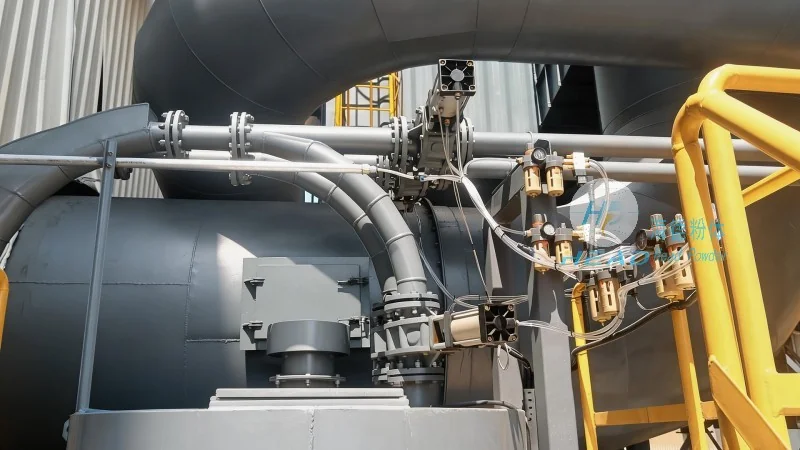
Pneumatic conveying offers several advantages over traditional bulk material handling methods, making it the preferred choice for transporting silica fume. One of the primary benefits is the ability to transport the material over long distances without the need for intermediate storage or handling. This reduces the risk of material degradation and contamination, which is critical for a material with high reactivity like silica fume. Additionally, pneumatic conveying systems are more flexible and adaptable to changes in production requirements, allowing for easy expansion or modification of the system. The automated nature of these systems also reduces labor costs and improves safety by minimizing human exposure to the material. Furthermore, the system can be integrated with other processing equipment, such as mixers or reactors, to create a seamless production line, enhancing overall operational efficiency.
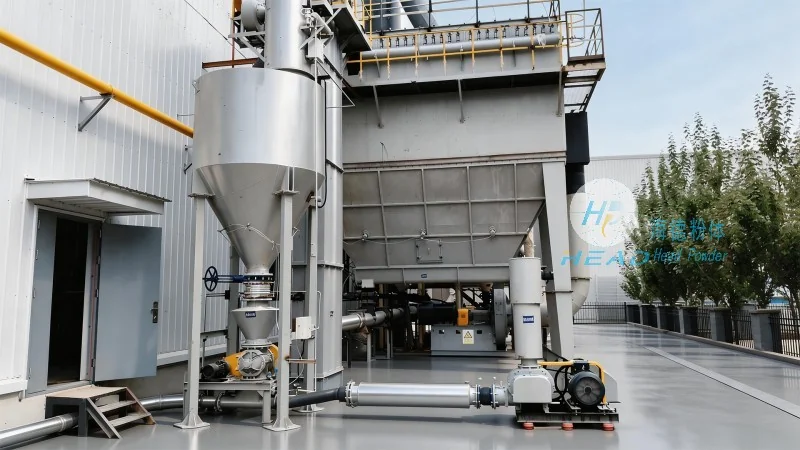
To ensure the long-term reliability and performance of silica fume pneumatic conveying lines, regular maintenance and proper troubleshooting are essential. The system components, particularly the compressor and pipeline, require periodic inspection and cleaning to prevent clogging or wear. The filters and cyclones should be checked and replaced as needed to maintain efficient material separation. Any signs of pressure loss or flow rate reduction should be investigated promptly to identify and resolve the underlying issues. Common problems in pneumatic conveying systems include material buildup in the pipeline, air leaks, or feeder malfunctions. By addressing these issues in a timely manner, the system can be kept in optimal condition, minimizing downtime and ensuring consistent material transport. Proper maintenance also extends the lifespan of the equipment, reducing the need for costly replacements and improving the overall return on investment.
Silica fume pneumatic conveying lines are critical components in the industrial processing of silica fume, enabling efficient and reliable transport of this valuable material. The operation process, which involves the coordinated action of various components and automated controls, ensures consistent material delivery while minimizing the risk of degradation or contamination. HeadPowder, with its expertise in engineering and manufacturing, provides high-quality pneumatic conveying systems that meet the specific needs of silica fume handling applications. By understanding the working principle and operation process of these systems, industries can optimize their material handling processes, improve efficiency, and enhance overall production performance. The continued development and refinement of pneumatic conveying technology will further enhance the capabilities of silica fume processing, supporting the growing demand for this essential material in construction and other industries.

 Shandong Headpowder Engineering Co., Ltd.
 156-6277-7102(Manager Zhang)
  0531-83386006
  Zhangqiu District, Jinan City, Shandong Province, China
telephone
WeChatconsult
top